

The Material Index
Six families. Ten materials each.
The signature palette in full — every material carries its Darkitecture name and its working specification. Sixty surfaces, each earning its place by how it reads, how it performs, and how it ages.
I
The Char
Wood taken through fire — the founding material, from fresh burn to silvered age.
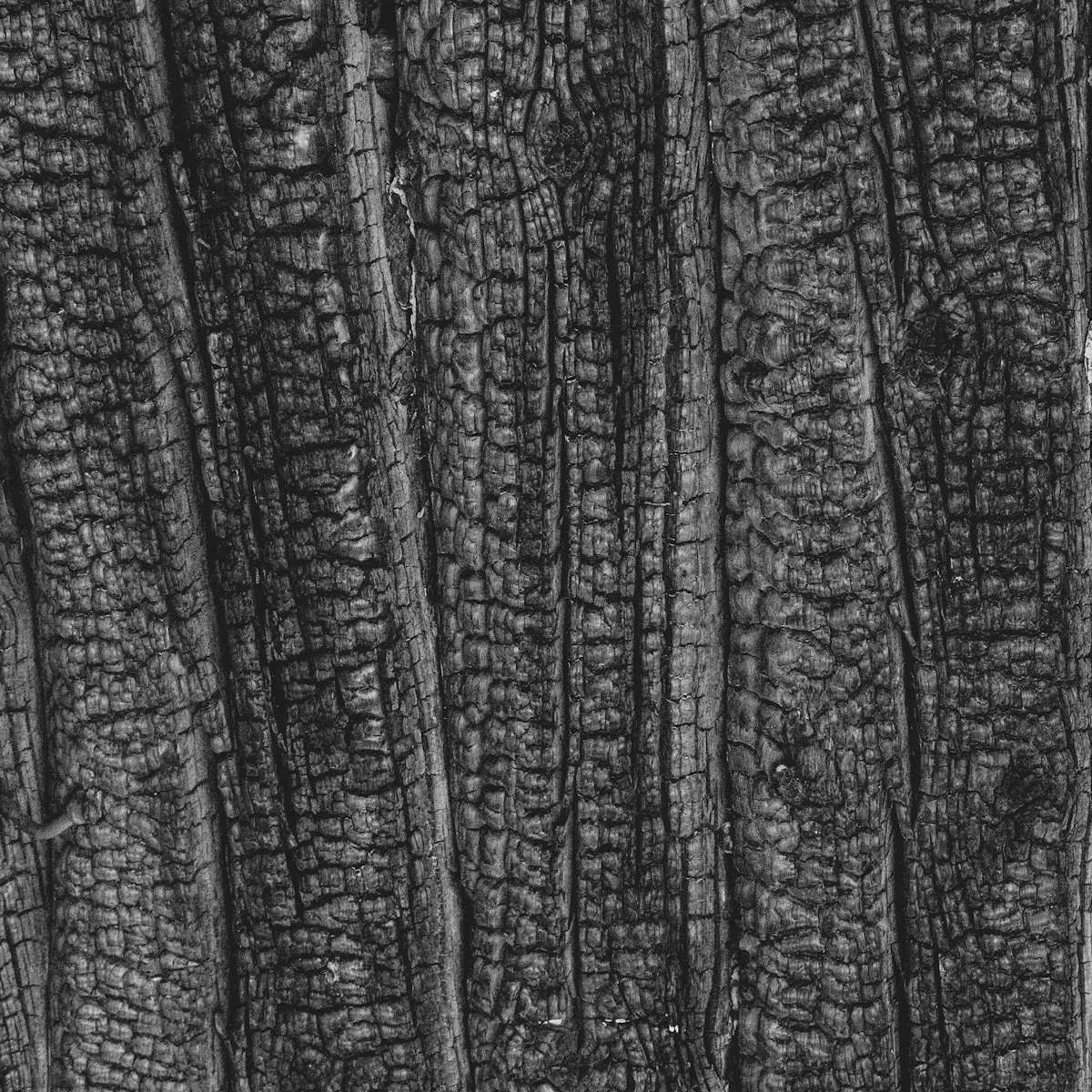
01
Charred Silvertop
Shou sugi ban silvertop ash, brushed & oiled
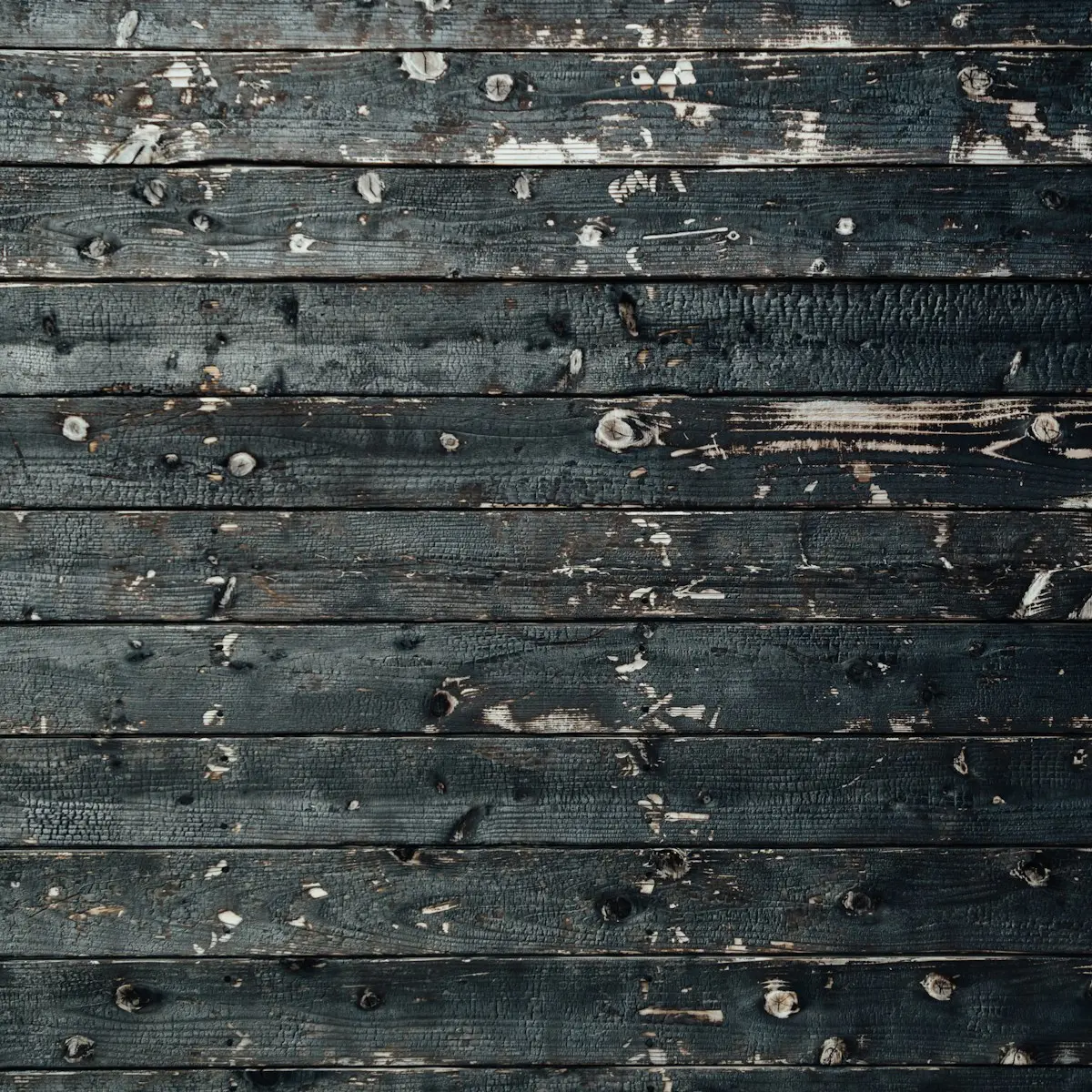
02
Ember Crackle
Deep-char finish, alligator texture
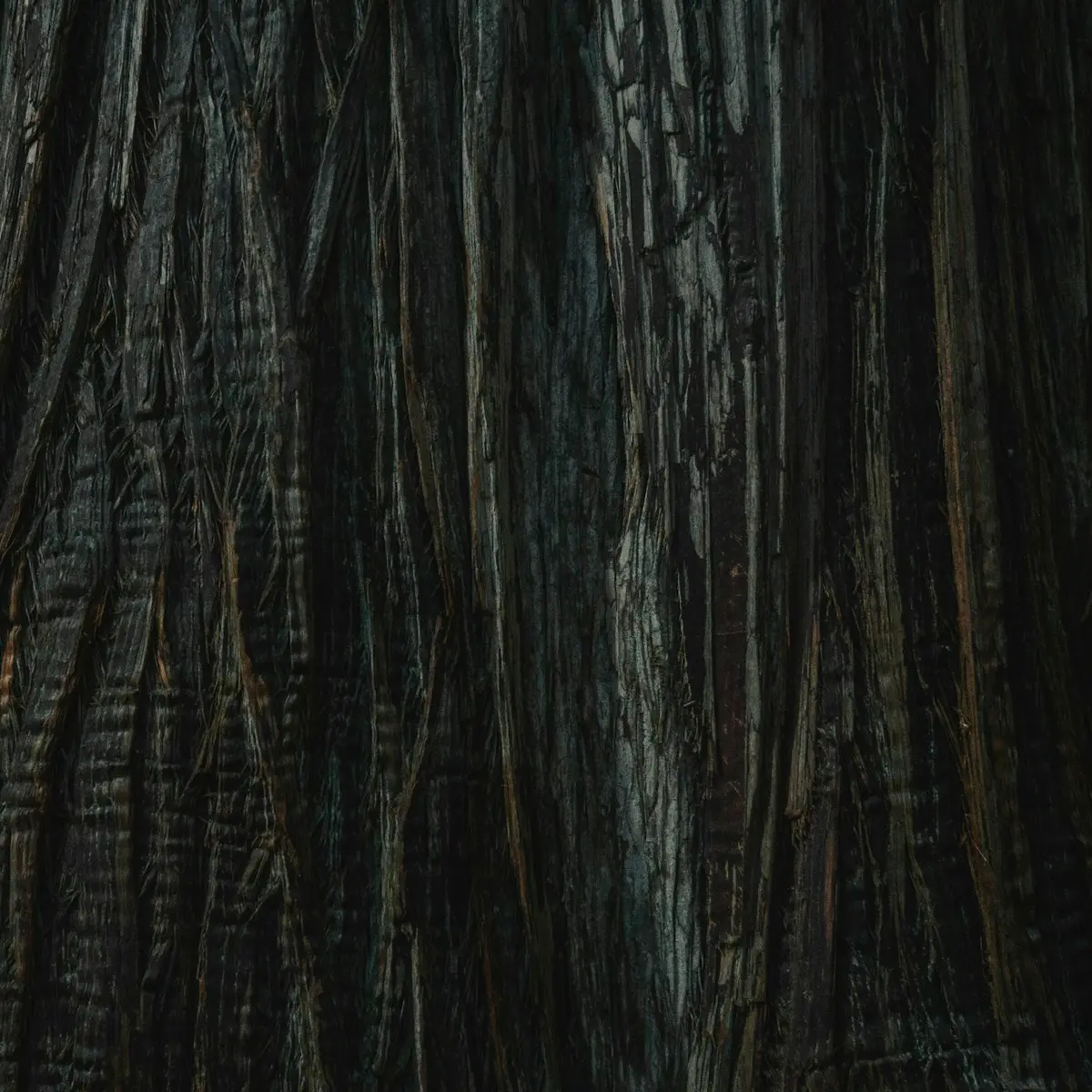
03
Ironbark Shadow
Charred ironbark, oil-finished
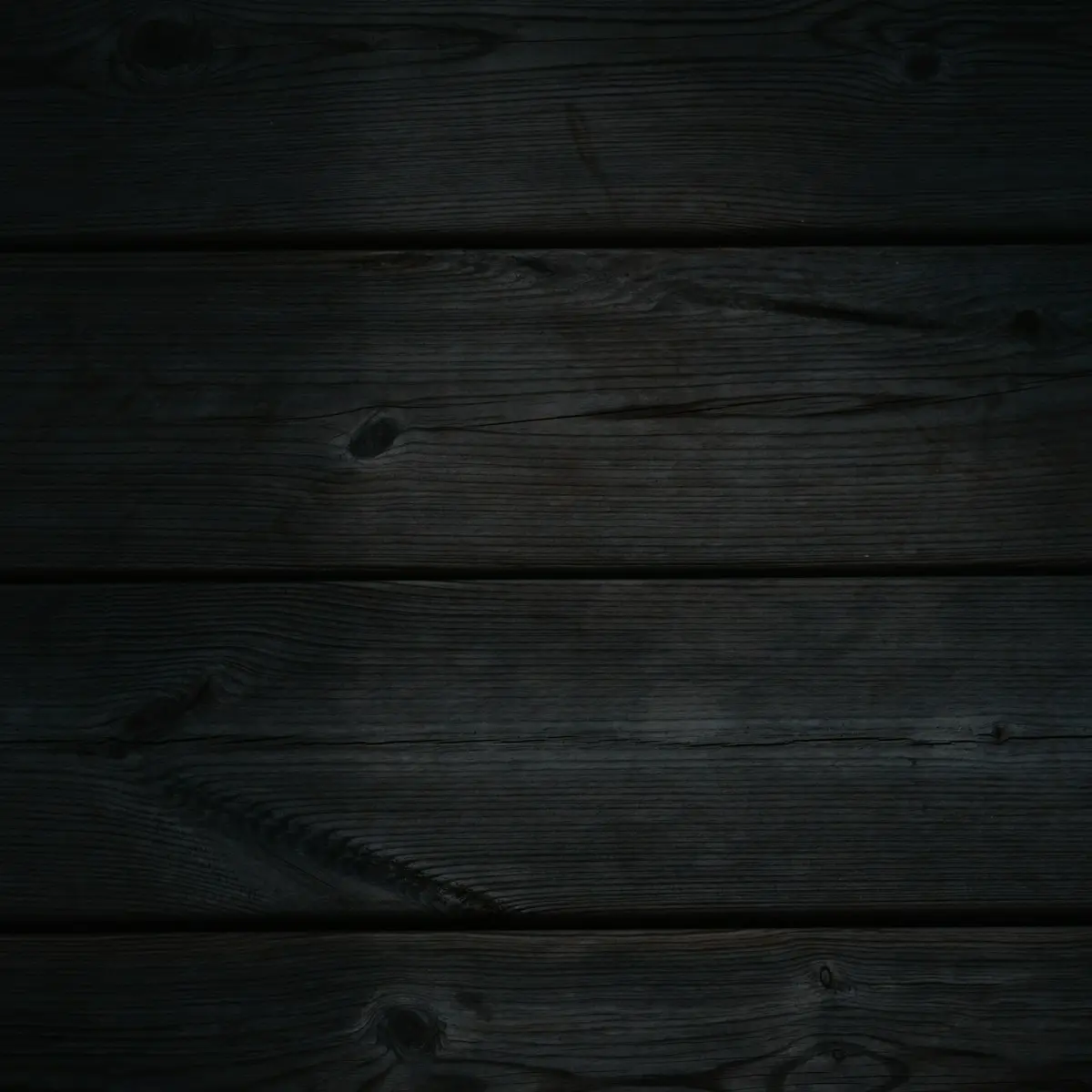
04
The Sealed Char
Char sealed matte — deck & soffit grade
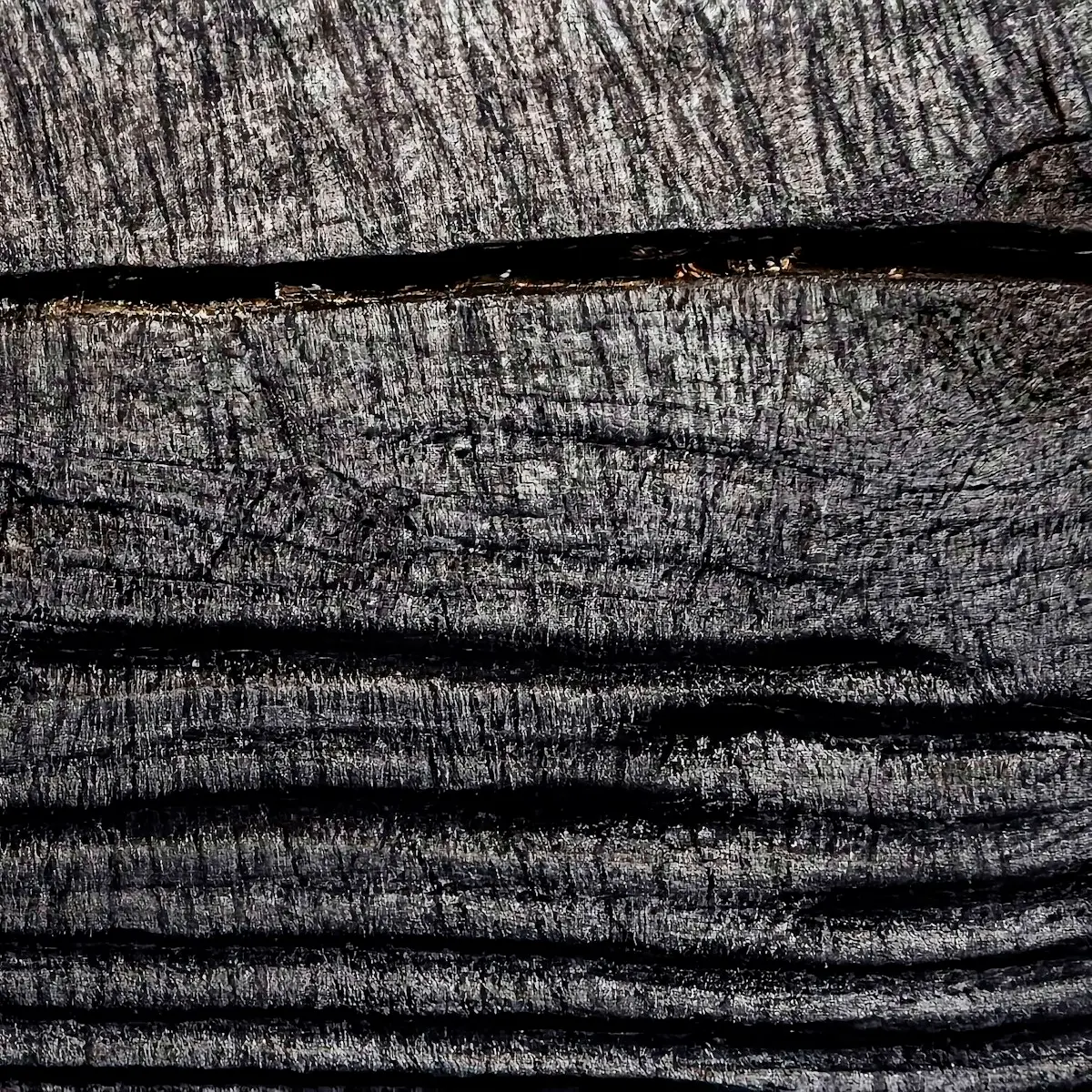
05
Charred Sleeper
Recycled sleeper, flame-finished
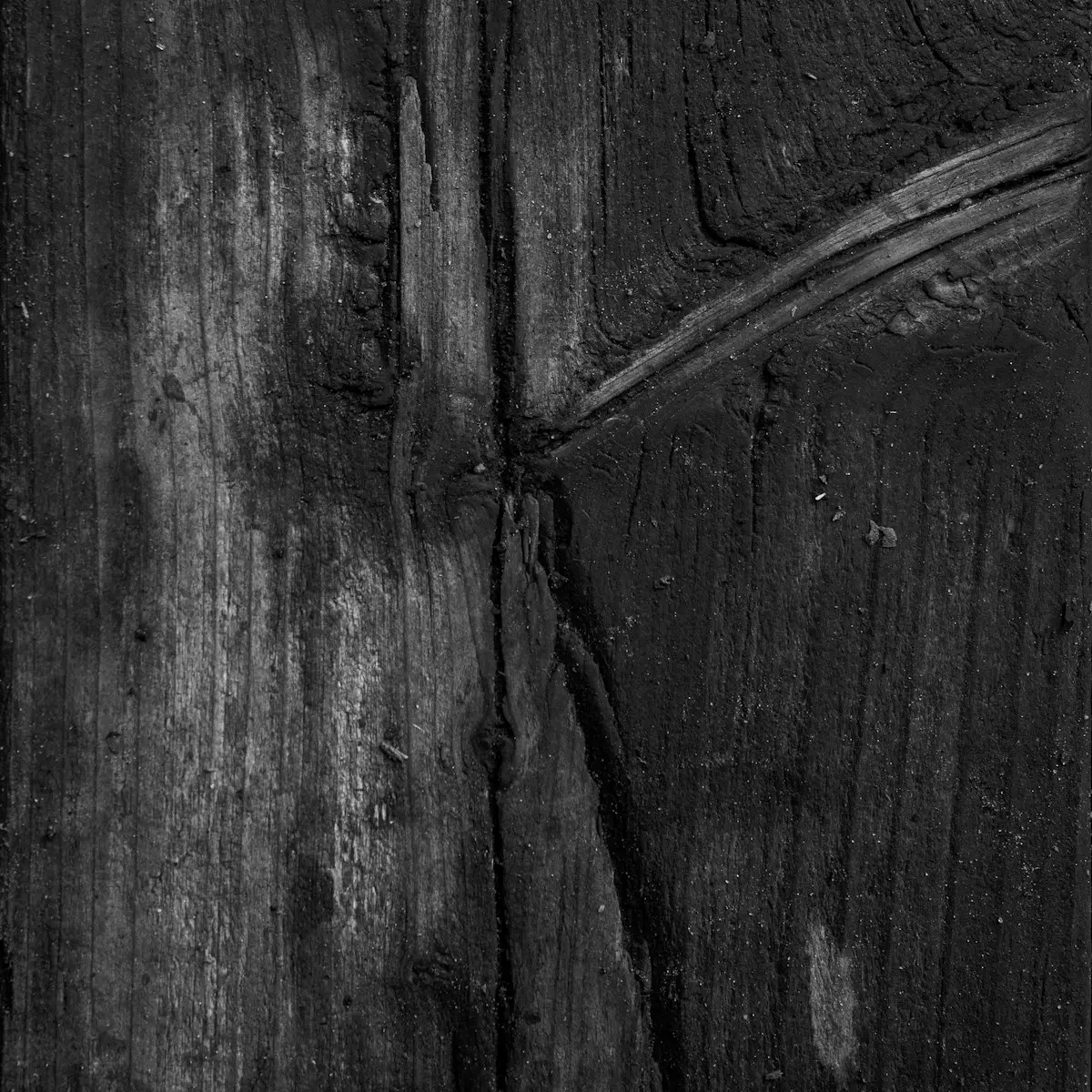
06
The Burnt Post
Structural post, char left raw
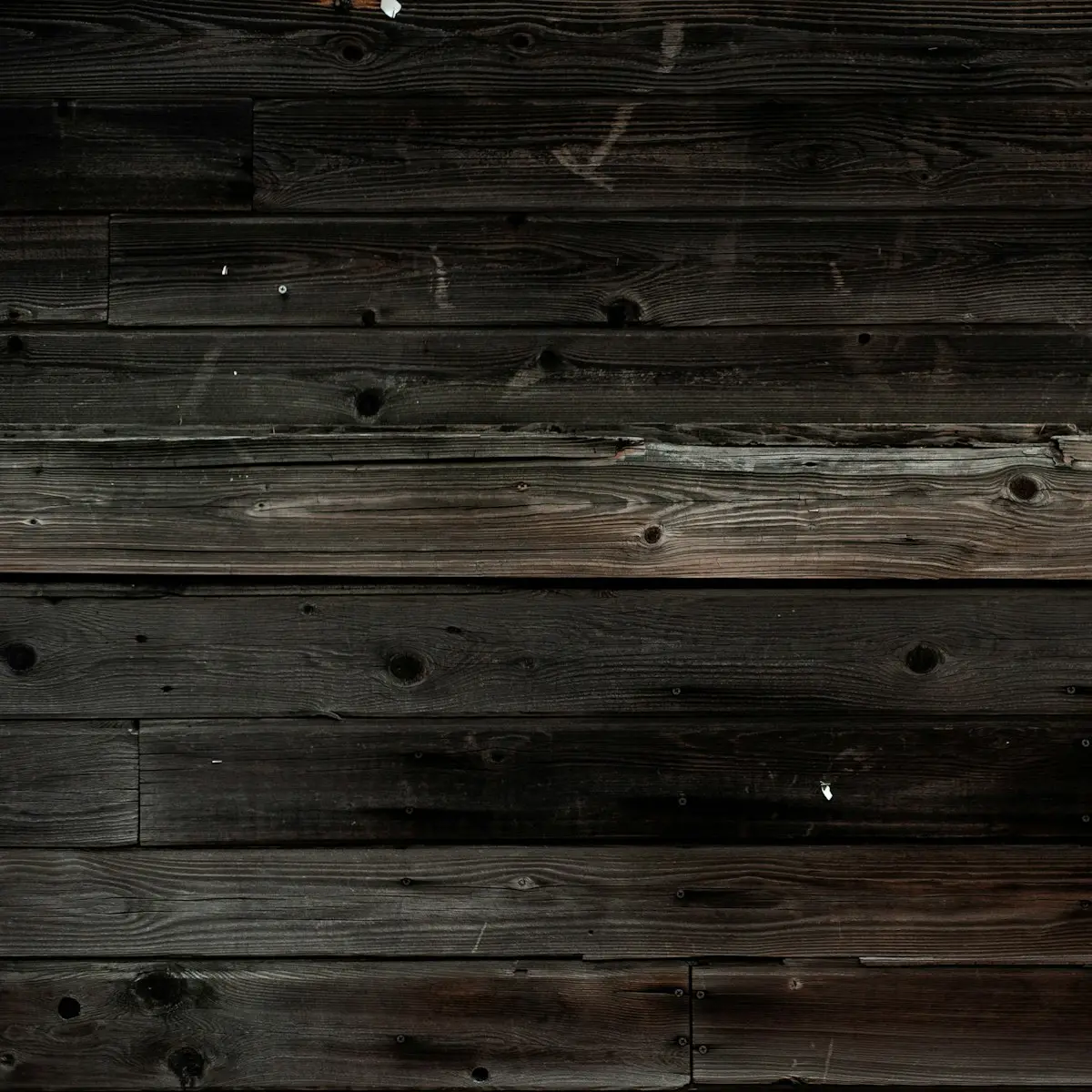
07
Barn Black
Reclaimed barn boards, ebonised
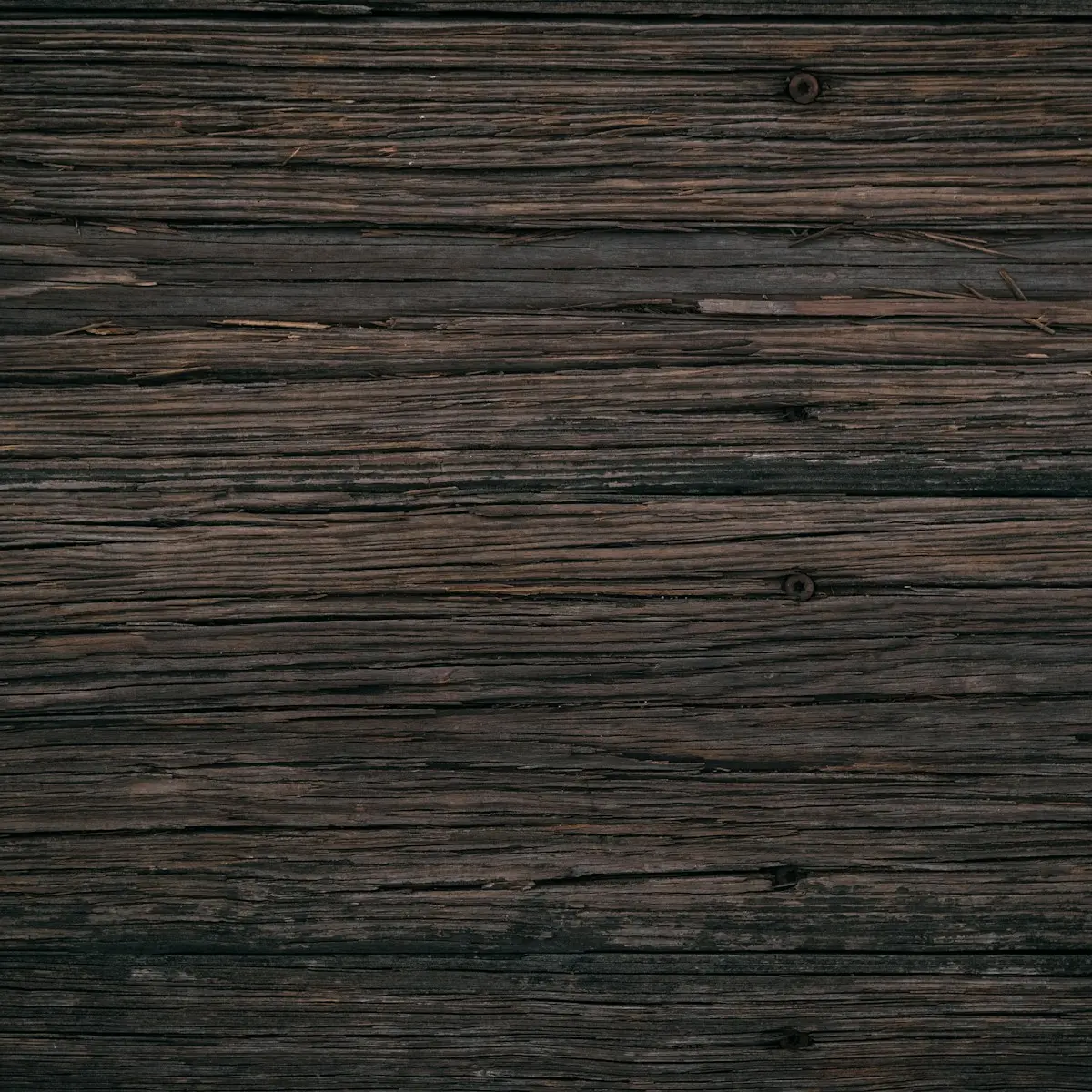
08
Ash & Silver
Charred board, weathered to silver
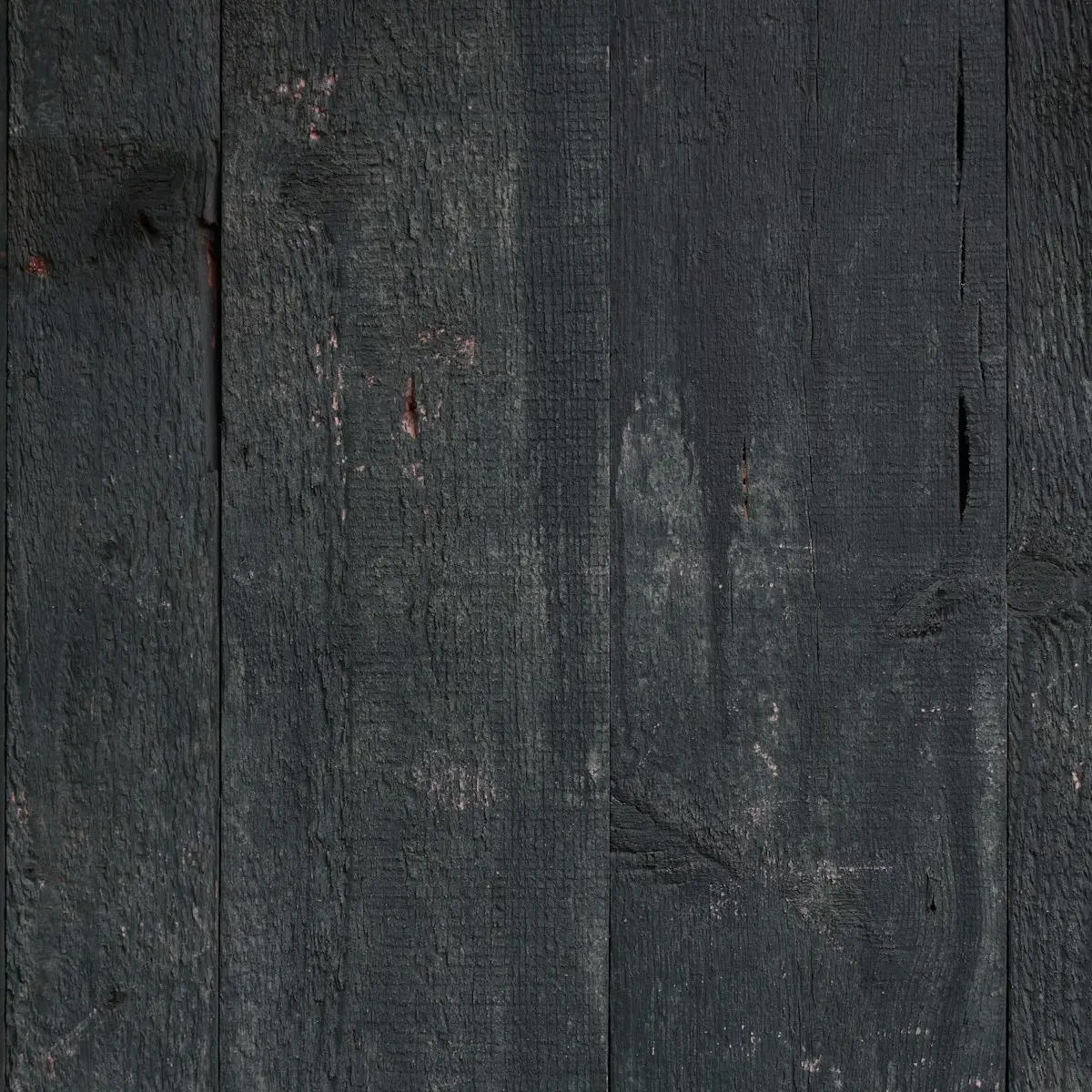
09
Pitch Board
Rough-sawn board, pitch black
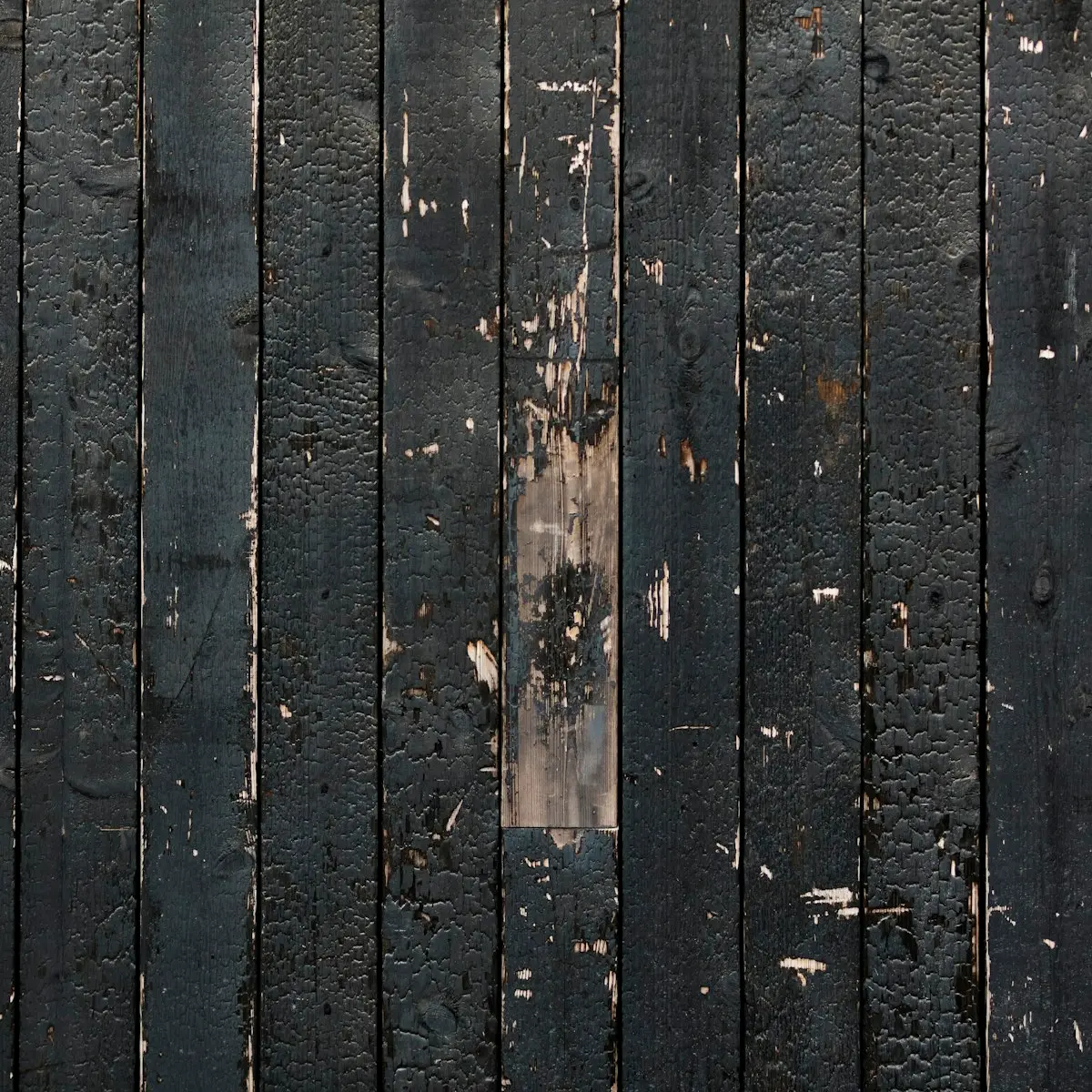
10
Charred Paling
Charred palings, left to weather
II
The Timber
Grain in low light — smoked, fumed and ebonised, never orange.
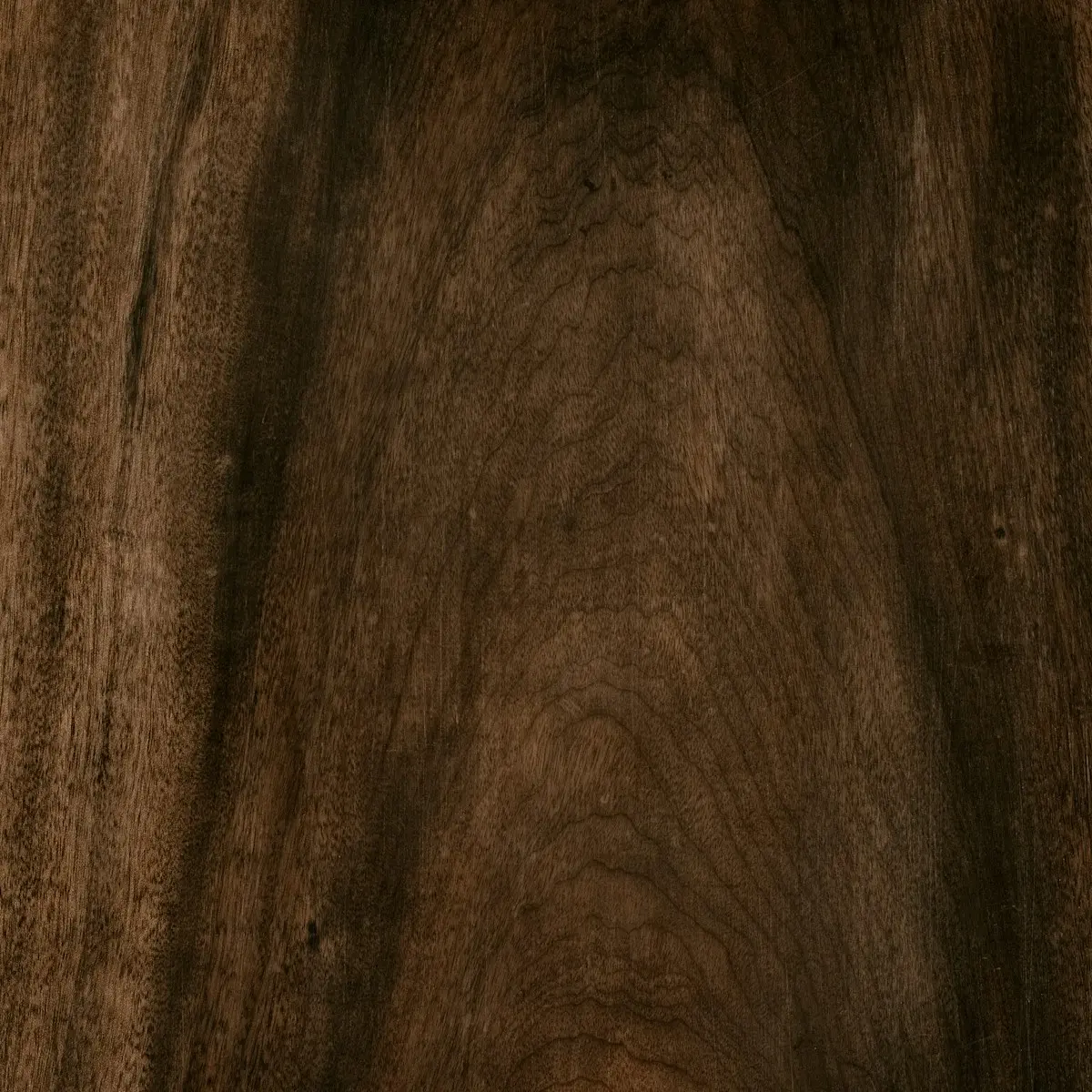
11
Blackwood
Tasmanian blackwood, crown cut
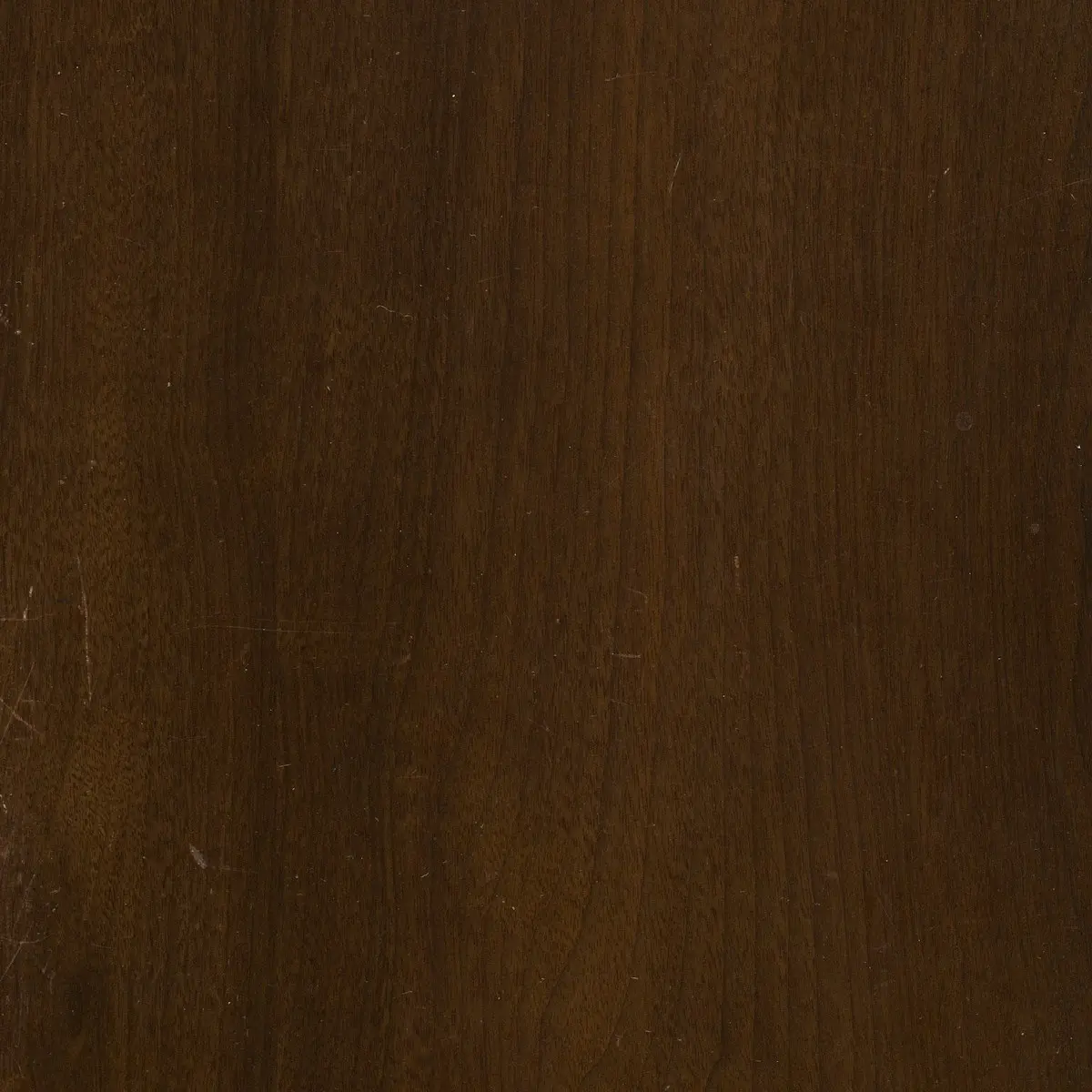
12
Smoked Eucalypt
Fumed eucalypt veneer, quartersawn
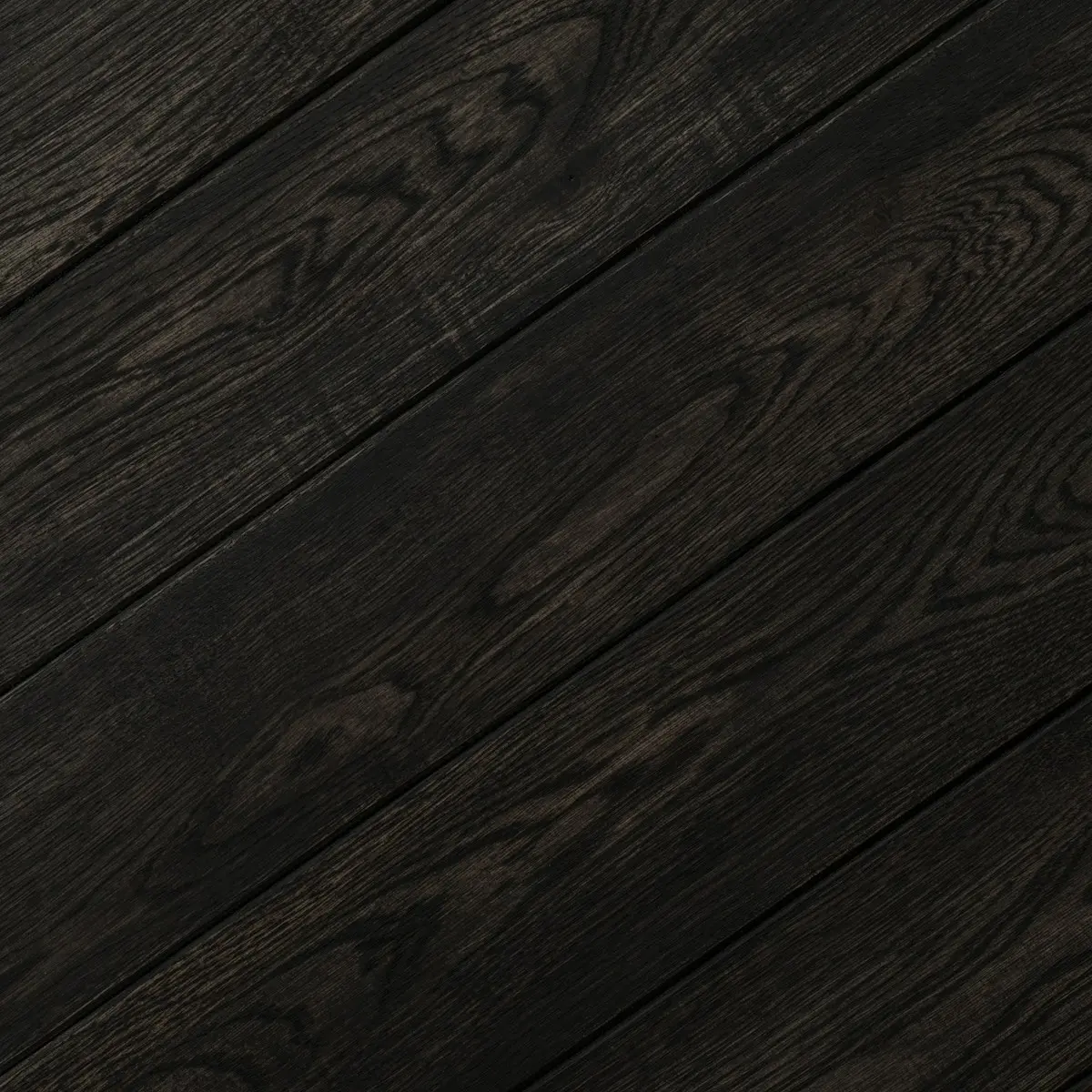
13
Smoked Oak
Smoked oak, wide plank
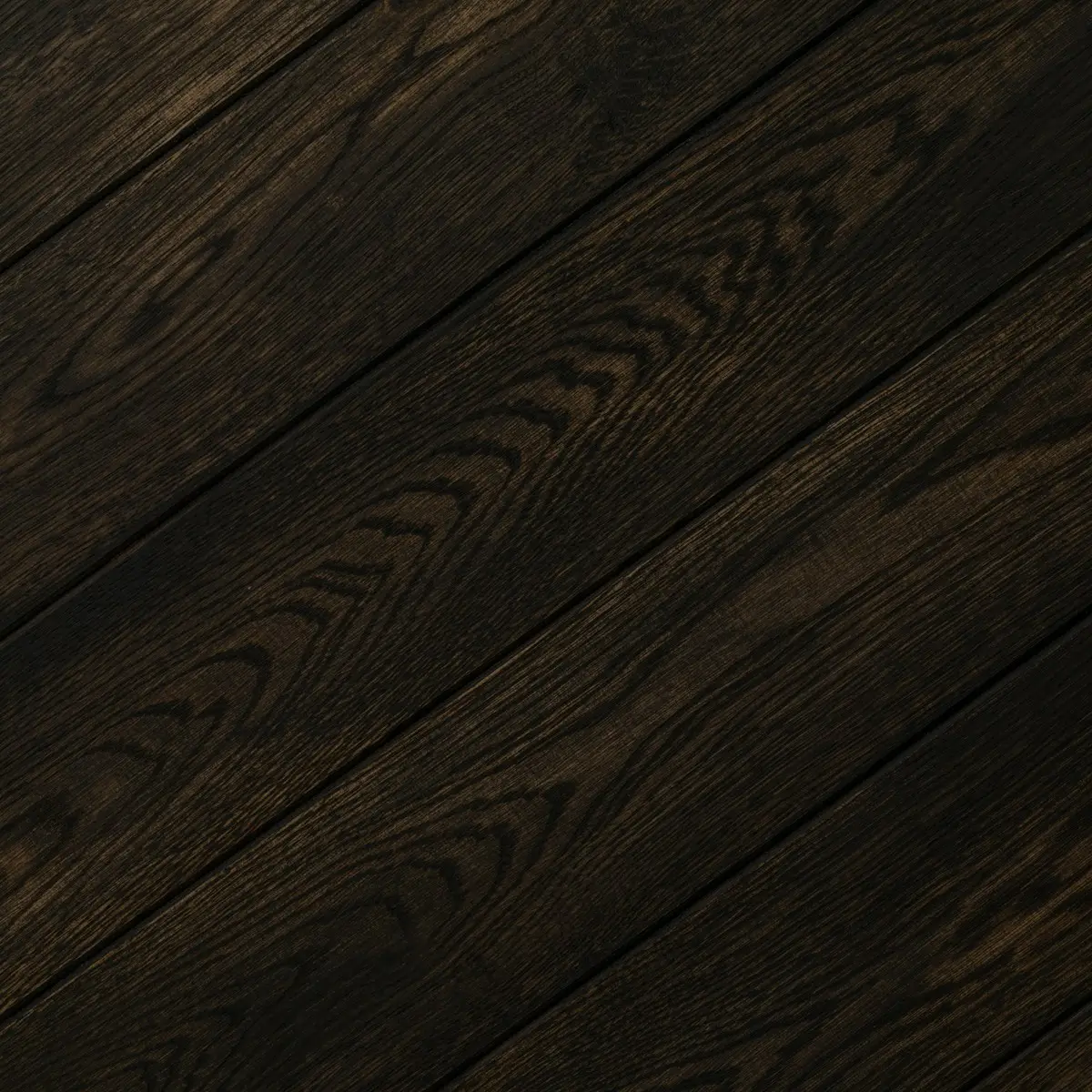
14
Fumed Oak
Fumed oak, natural oil
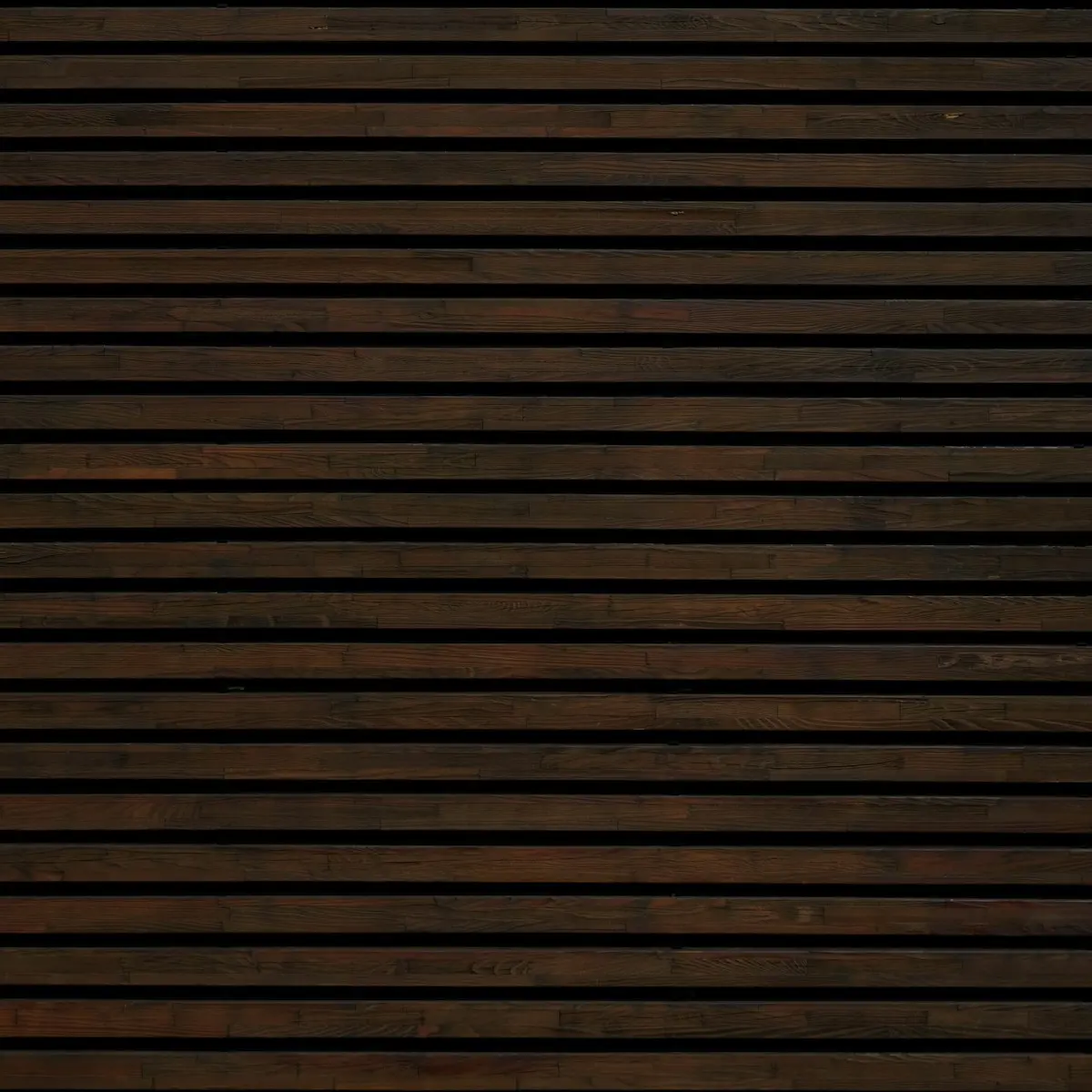
15
The Batten Screen
Hardwood battens, shadow-gap
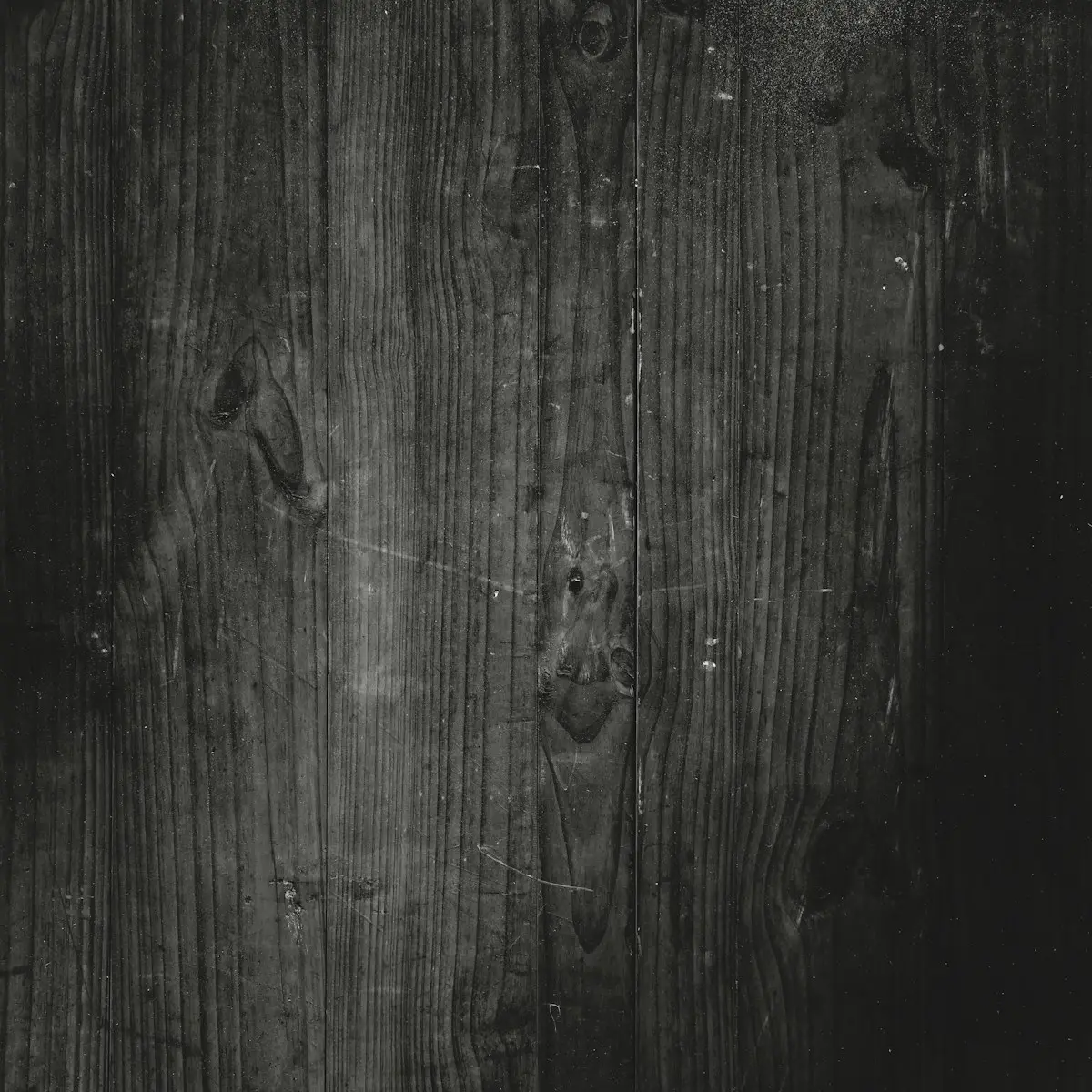
16
Night Boards
Ebonised hardwood lining
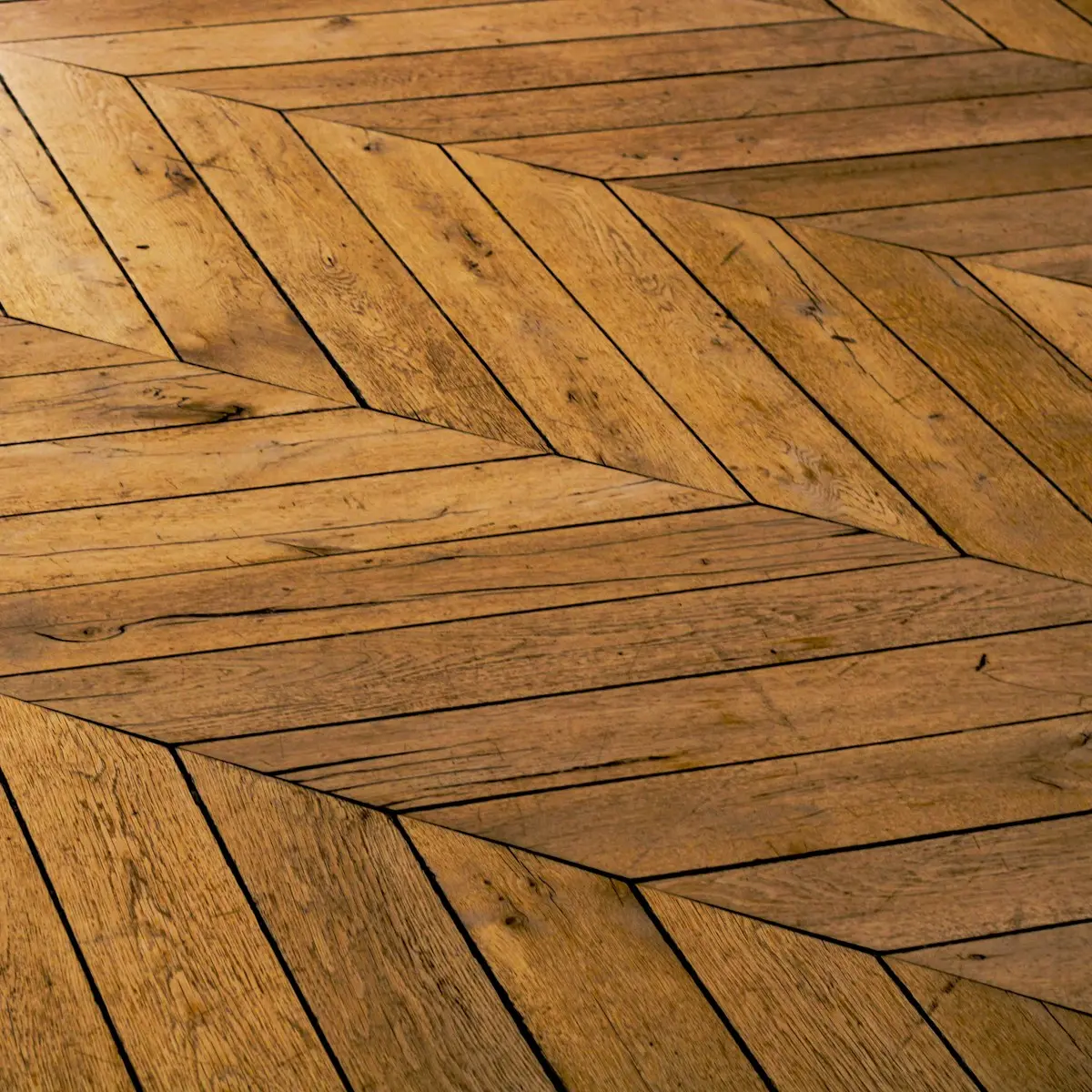
17
Chevron Oak
Chevron parquet — the one warm floor
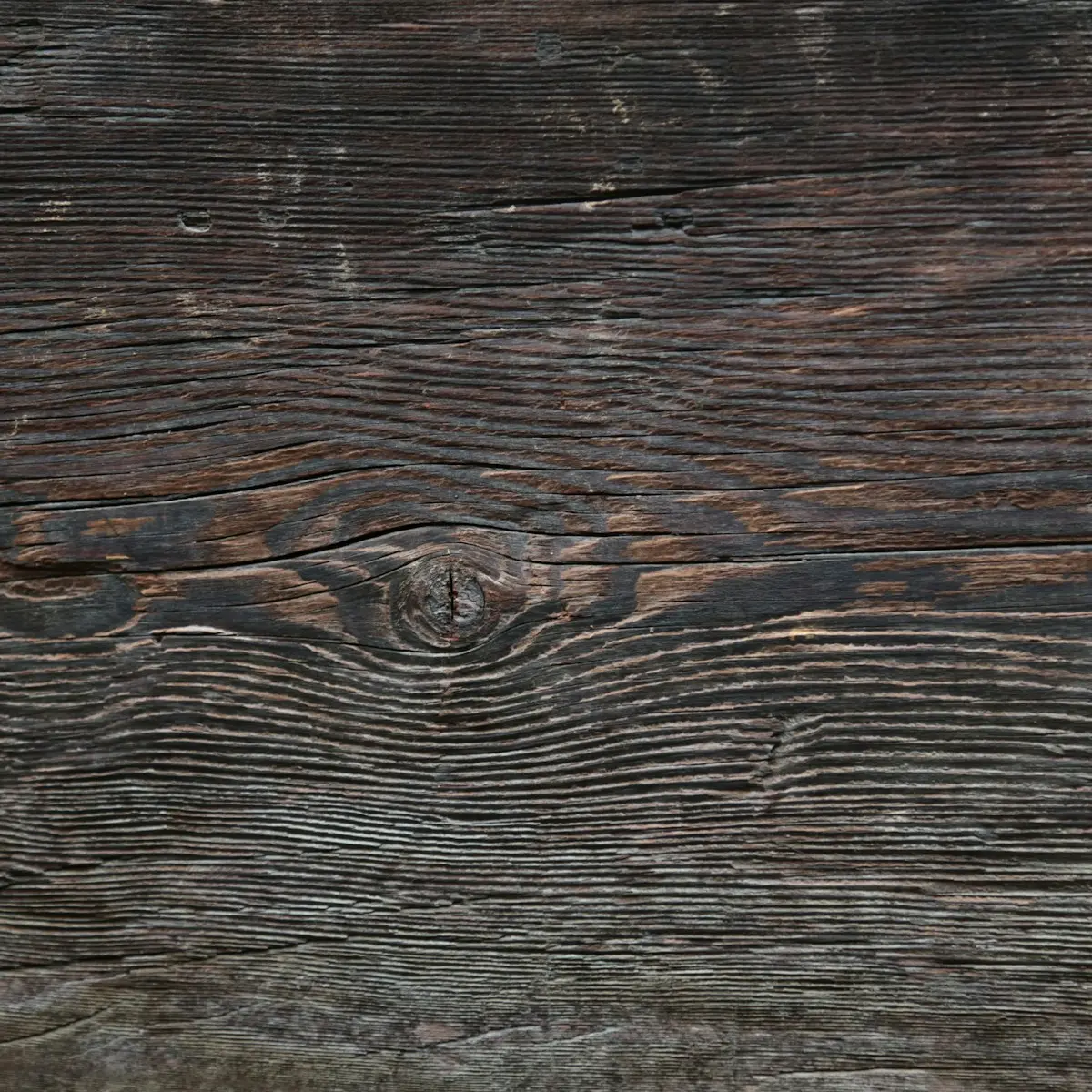
18
Rough-Sawn
Reclaimed hardwood, band-sawn face
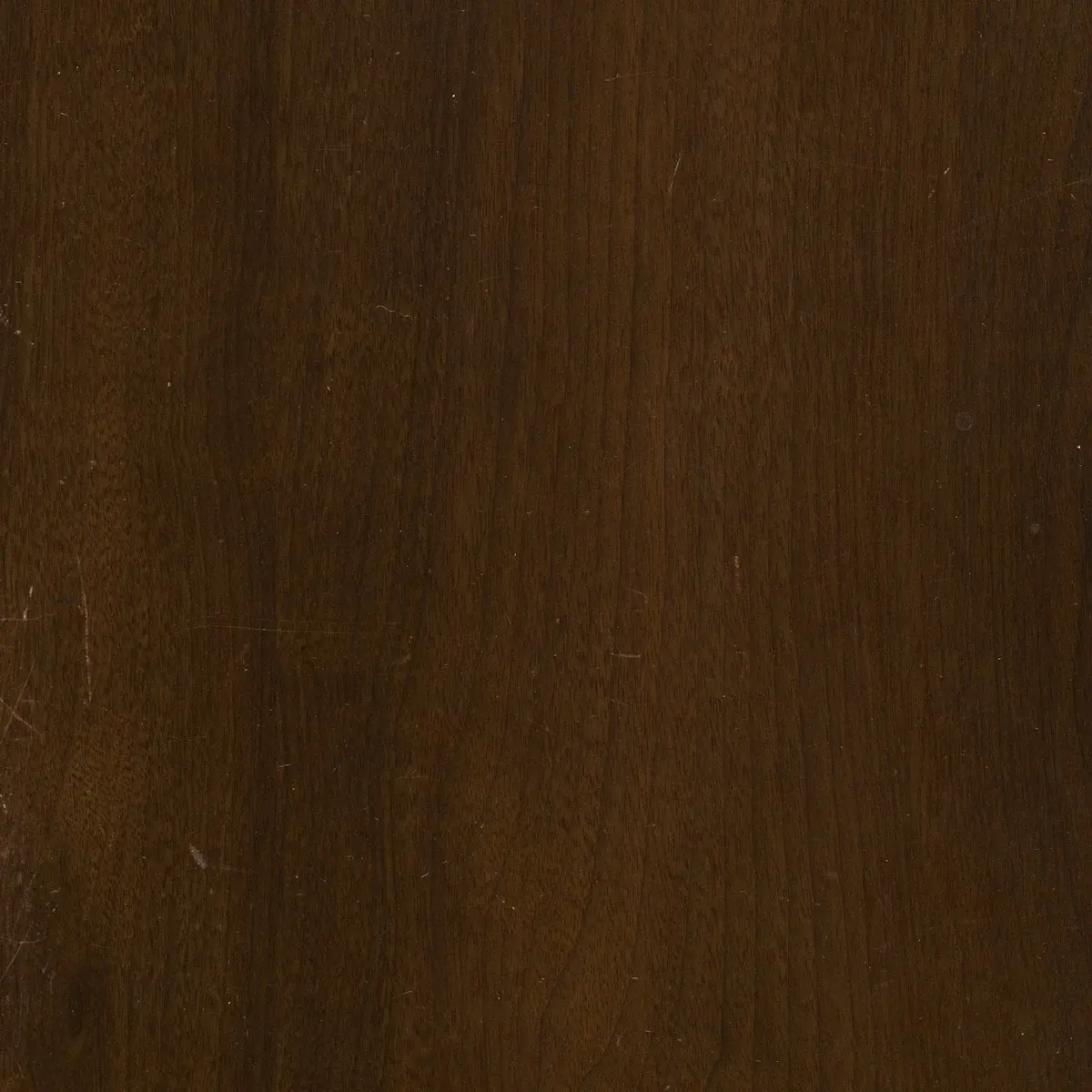
19
Walnut
American walnut, oiled — joinery accents
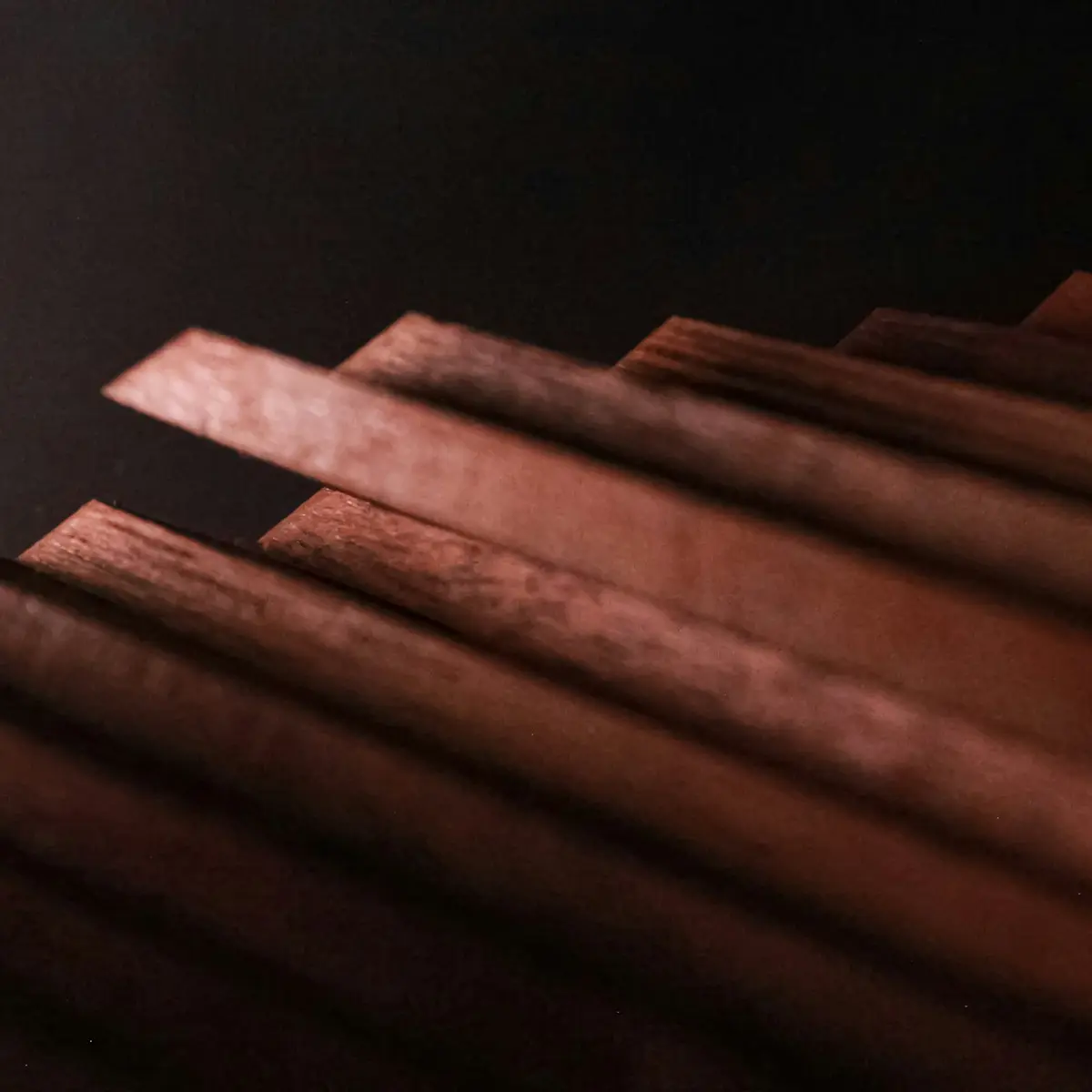
20
The Ridgeline
Profiled hardwood lining, sculpted ridges
III
The Stone
The island underfoot — dark rock quarried, cut and honed.

21
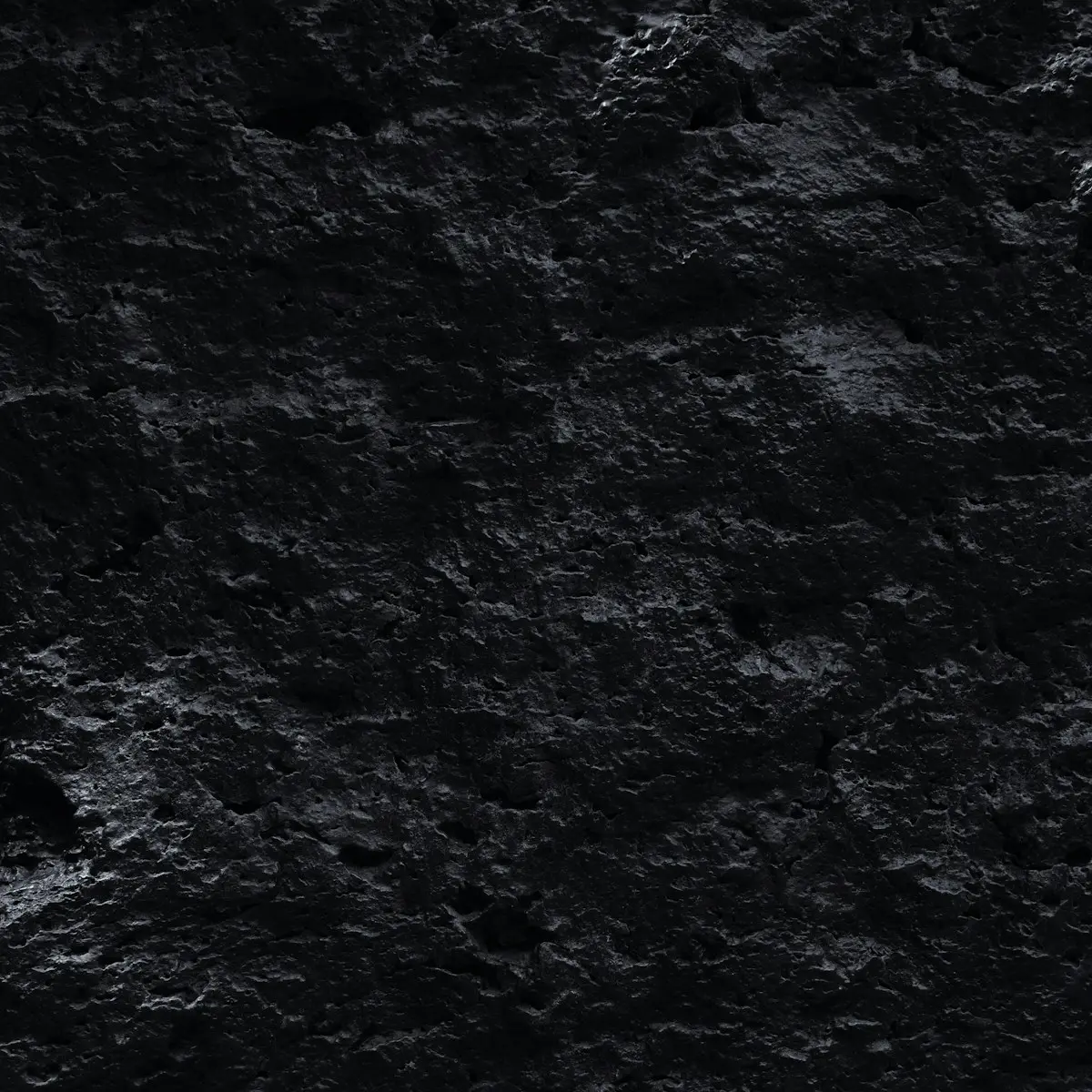
Midnight Granite
Flamed black granite, silver fleck
22
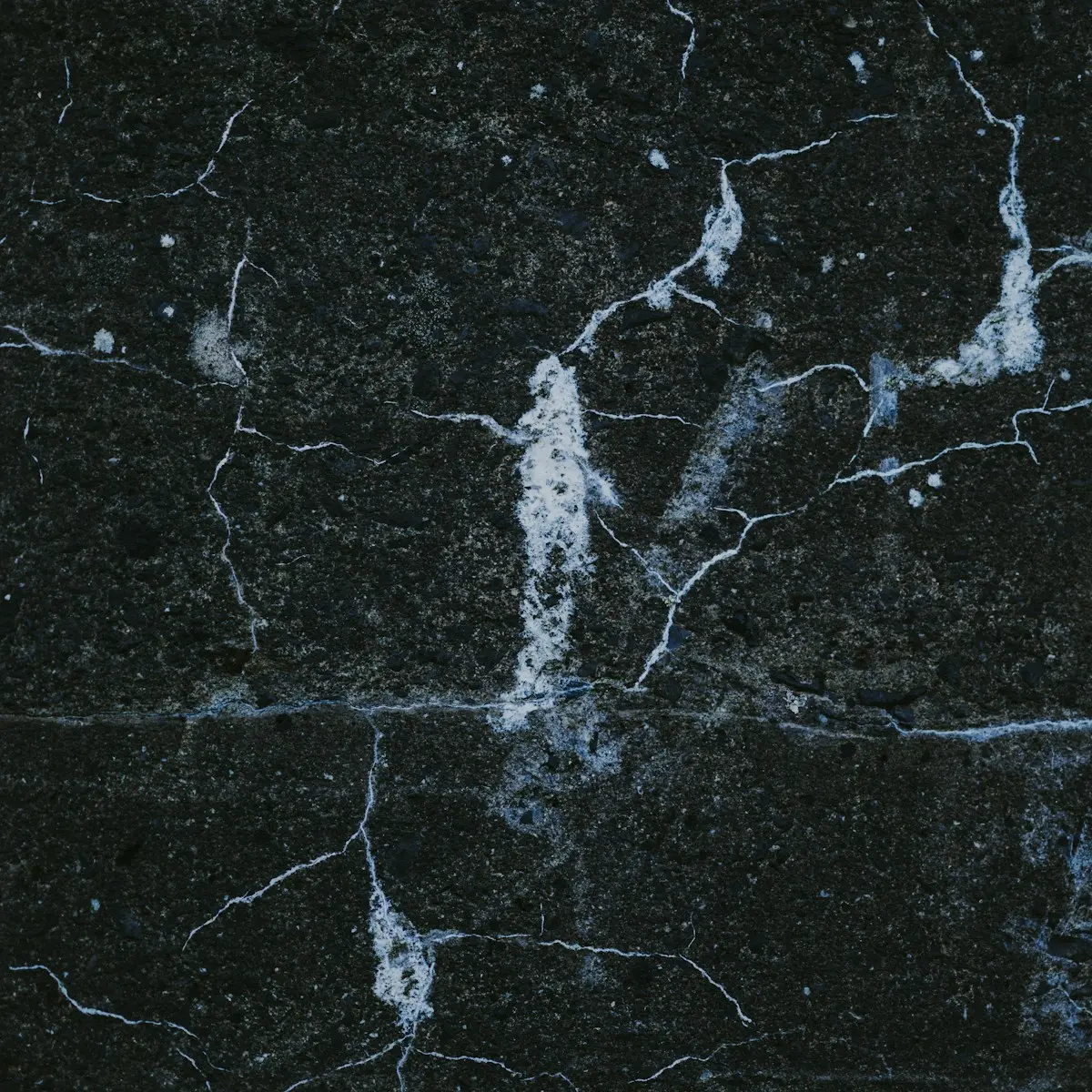
Raw Basalt
Split-face basalt cladding
23
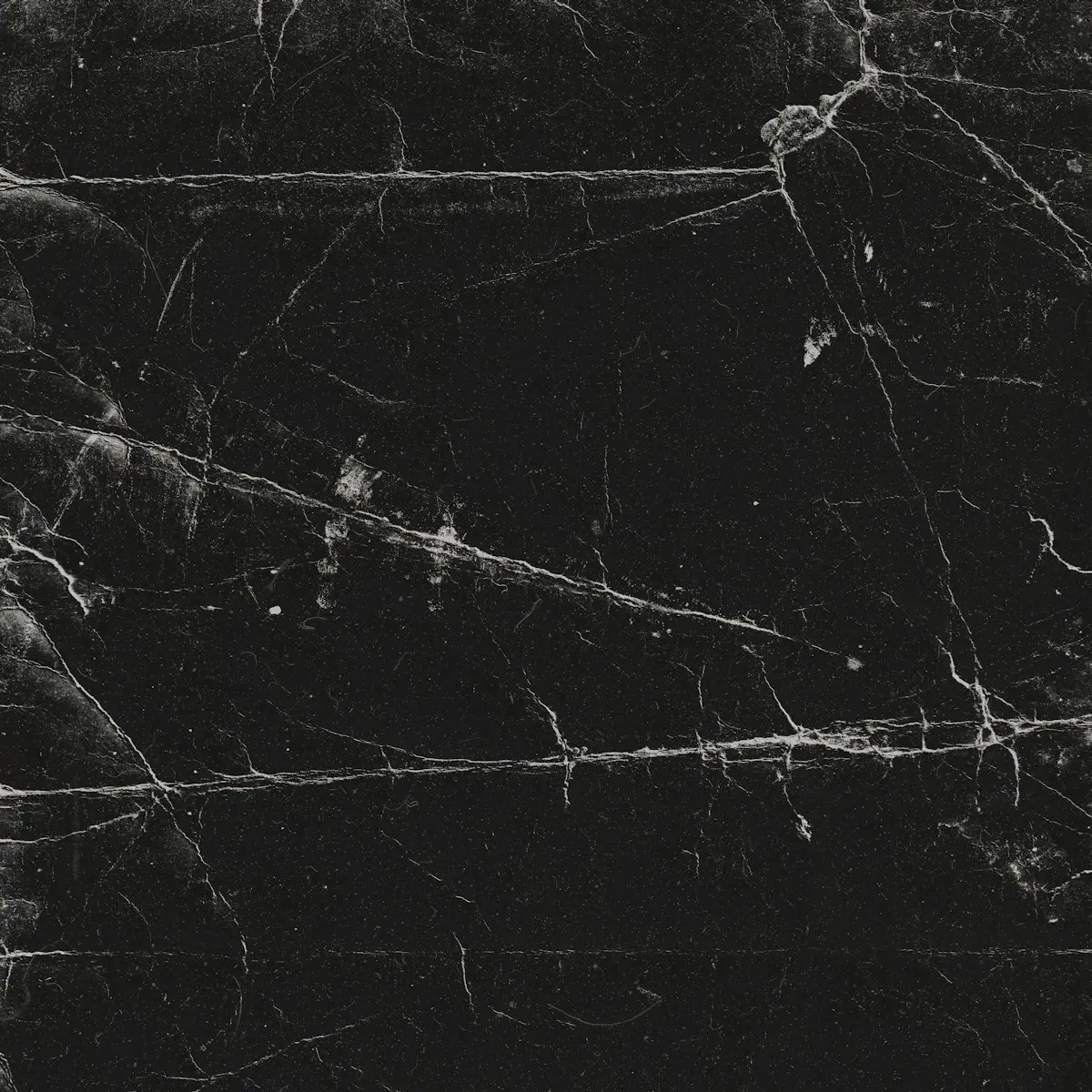
Storm Vein
Black limestone, calcite veining
24
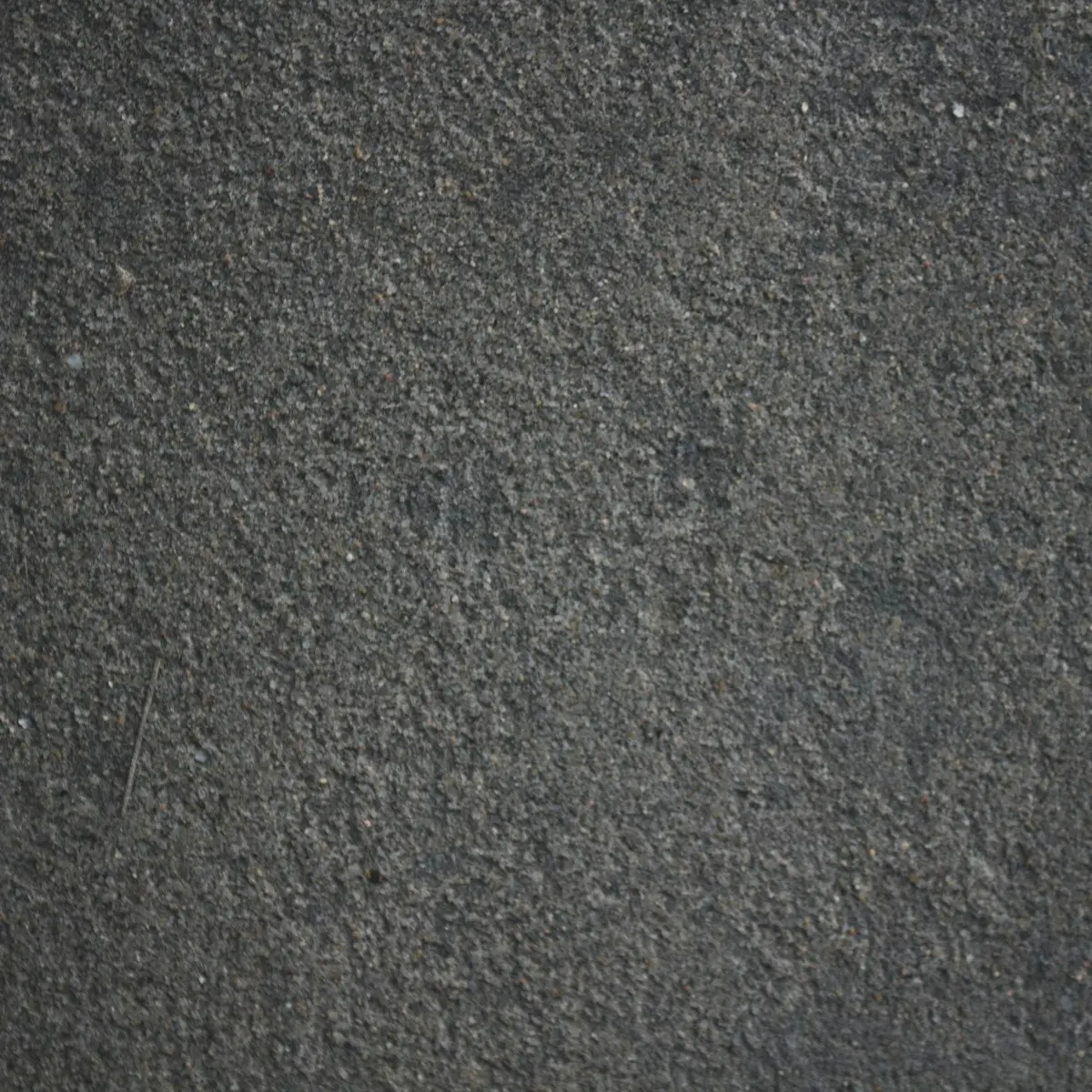
Nero Marquina
Black marble, honed — benchtop grade
25
Honed Bluestone
Bluestone paving, honed finish
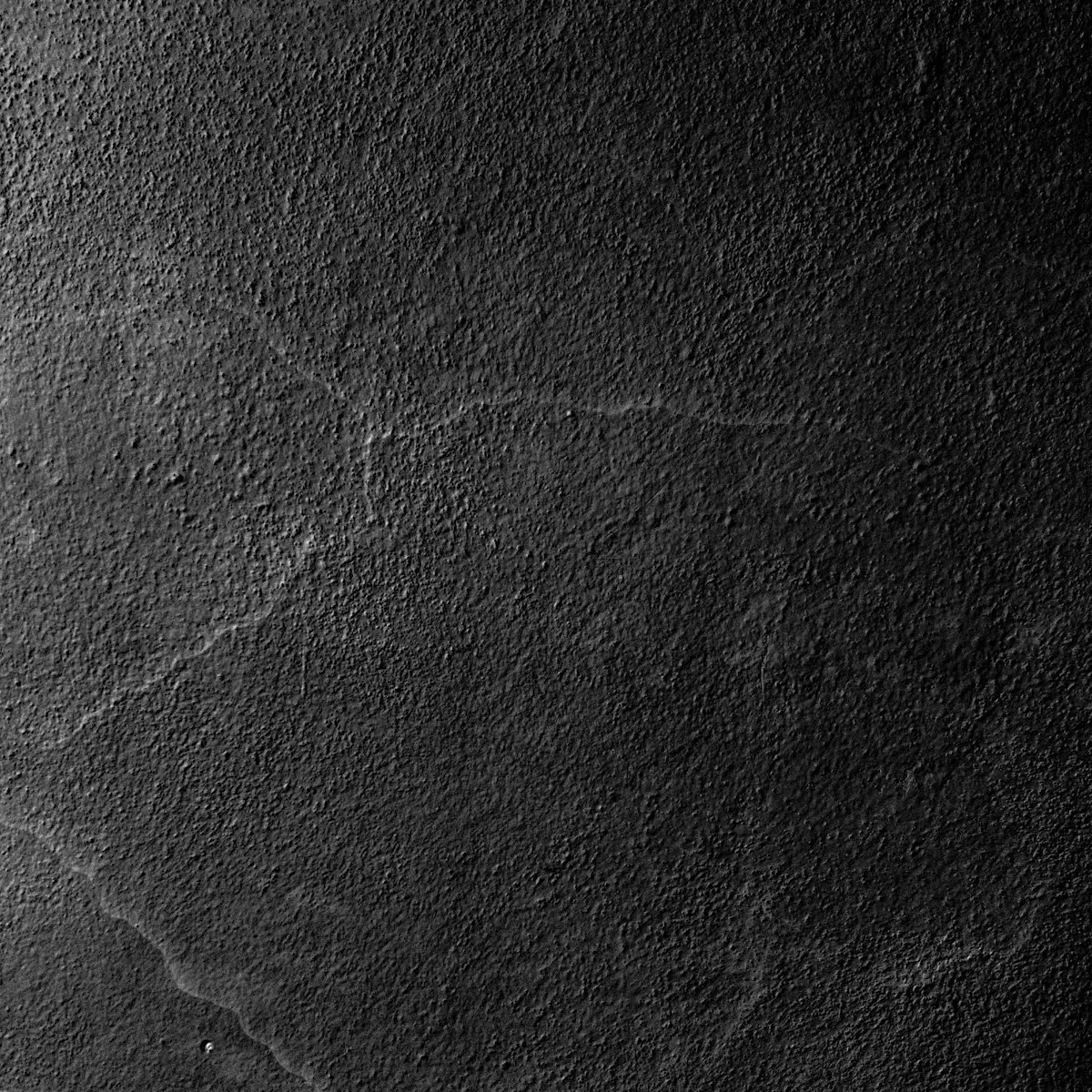
26
Slate Whisper
Riven slate, ghost veining
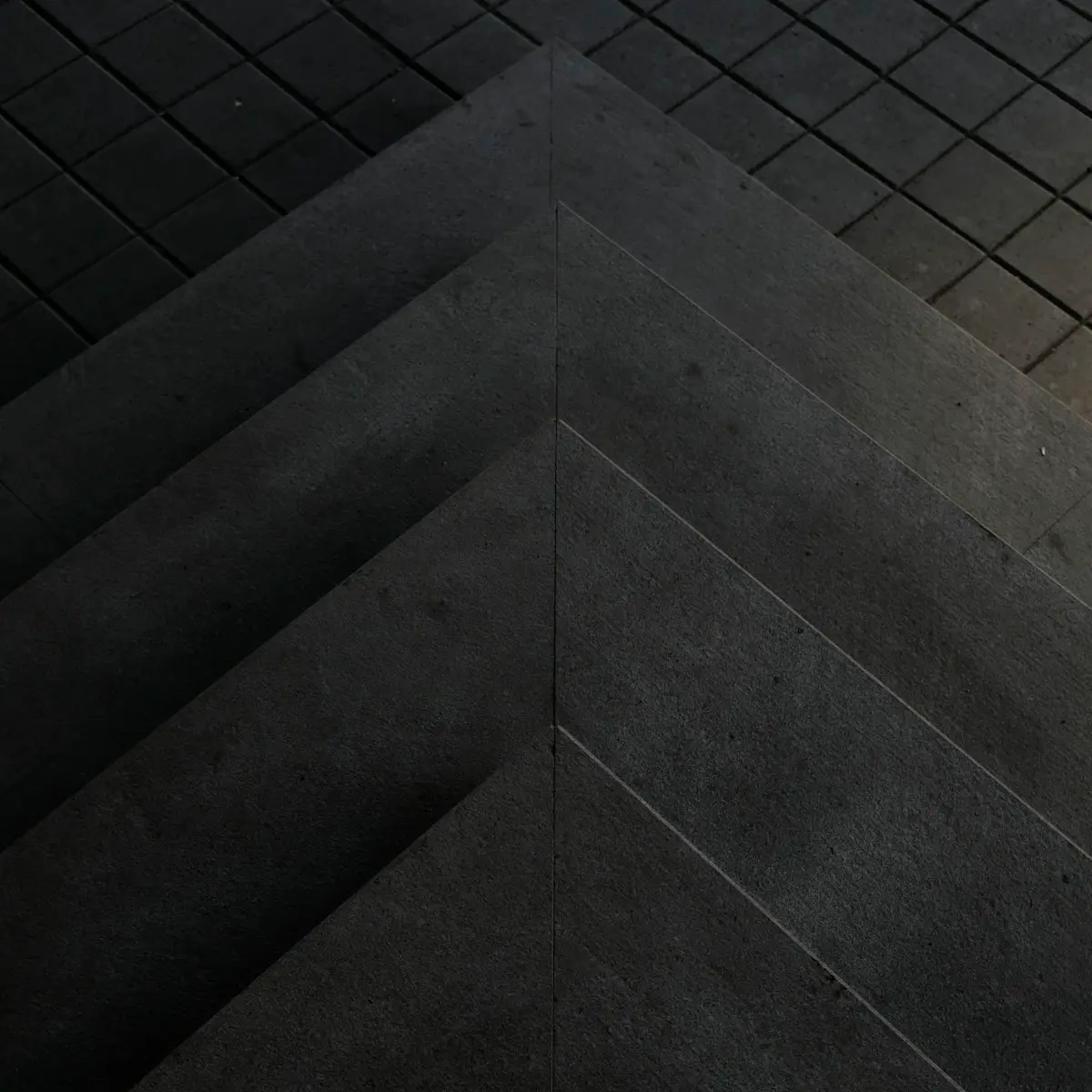
27
The Chevron
Cut charcoal granite paving
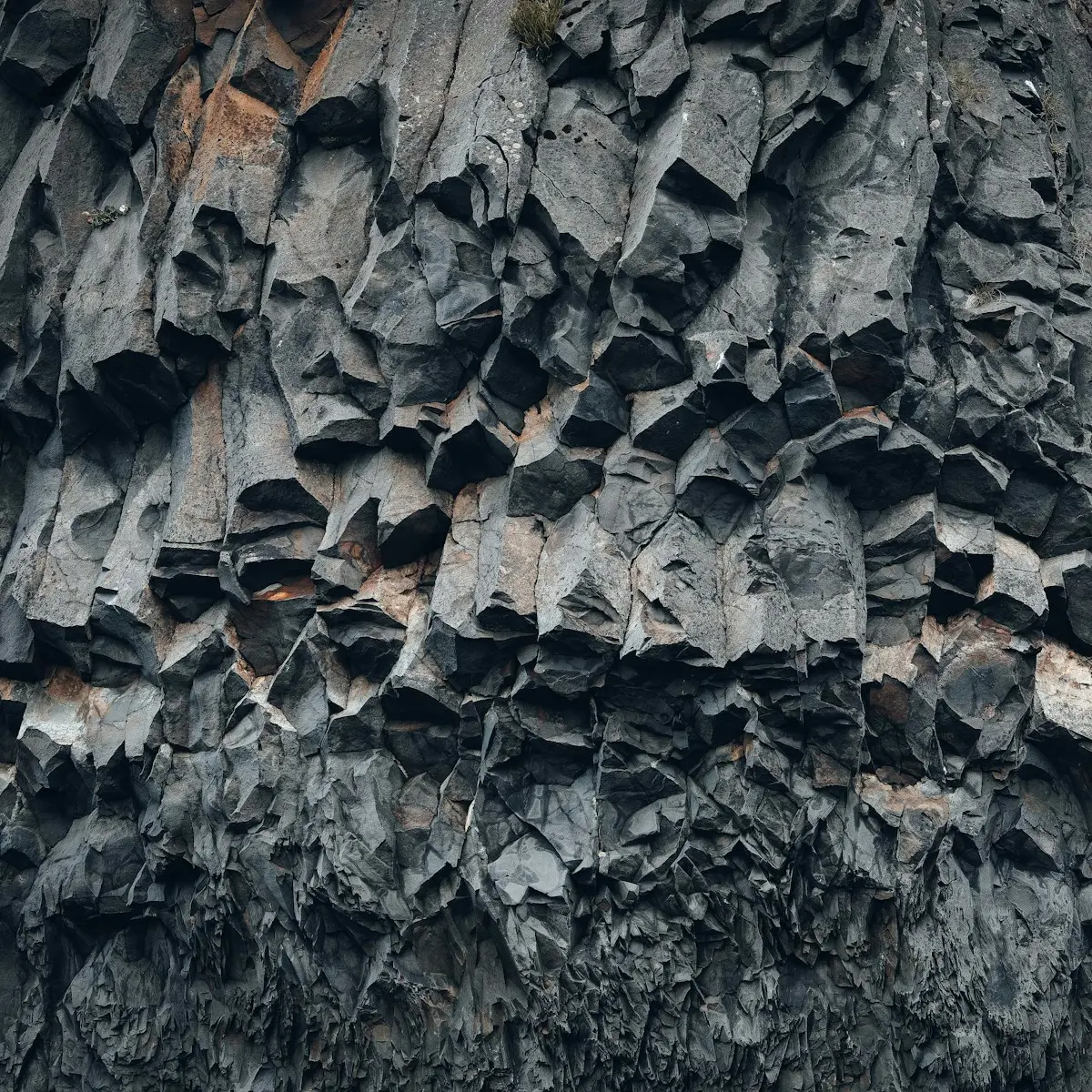
28
Dolerite
The island's spine — reference, and crushed rock
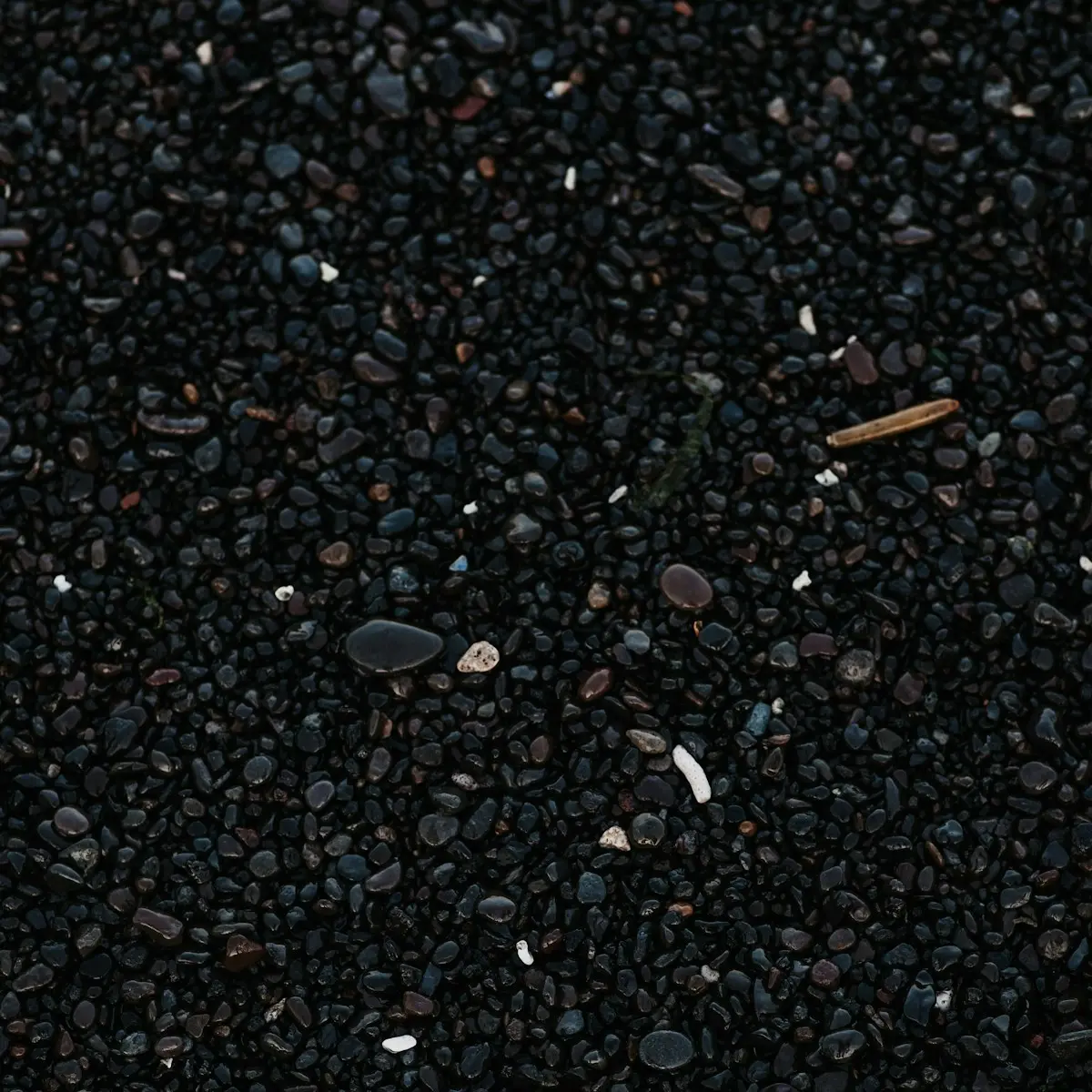
29
Black Pebble
Scoria pebble, ground cover & drainage
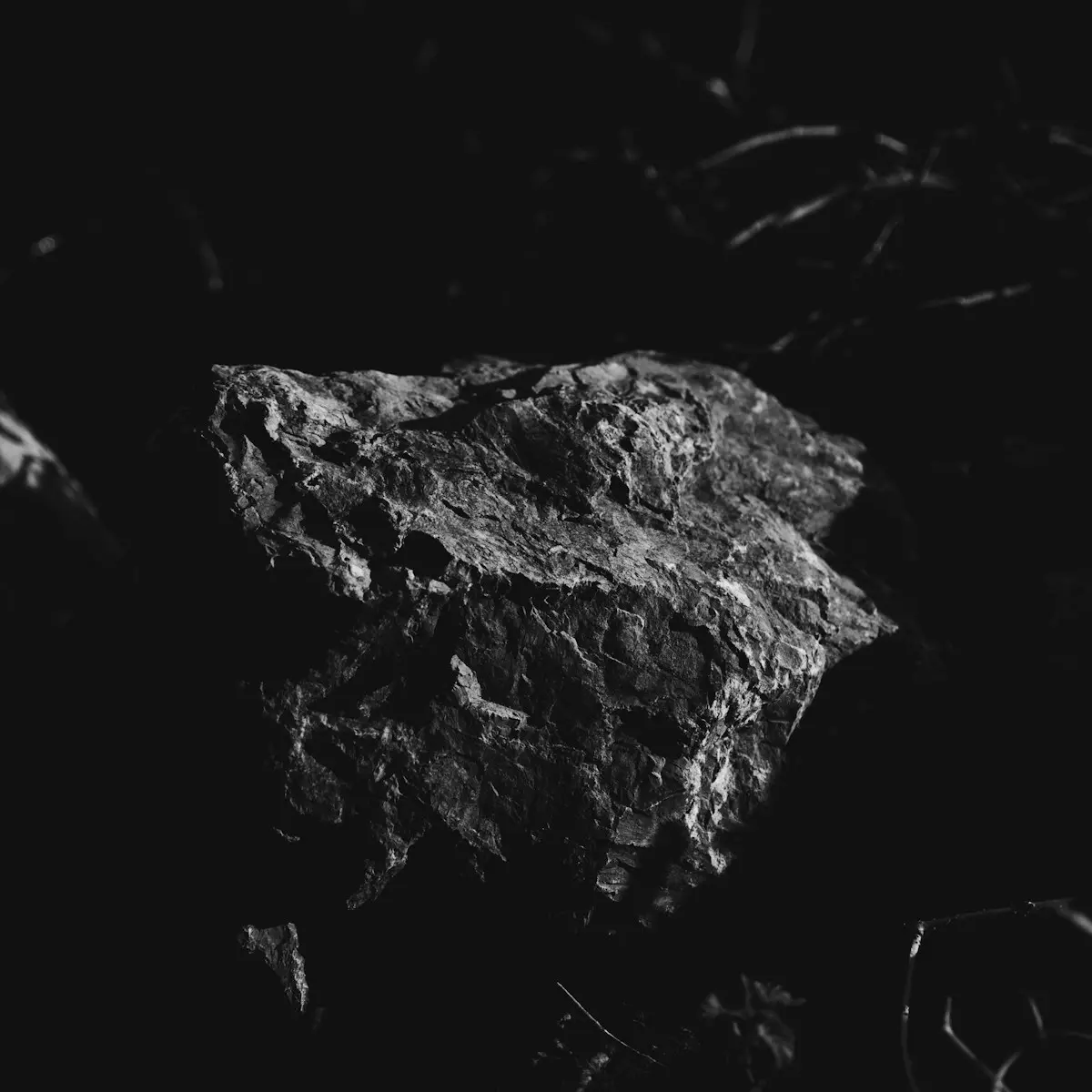
30
The Unhewn
Feature fieldstone, placed raw
IV
The Masonry & the Render
Laid and trowelled — dark-bodied brick, block and every coating a wall can wear.
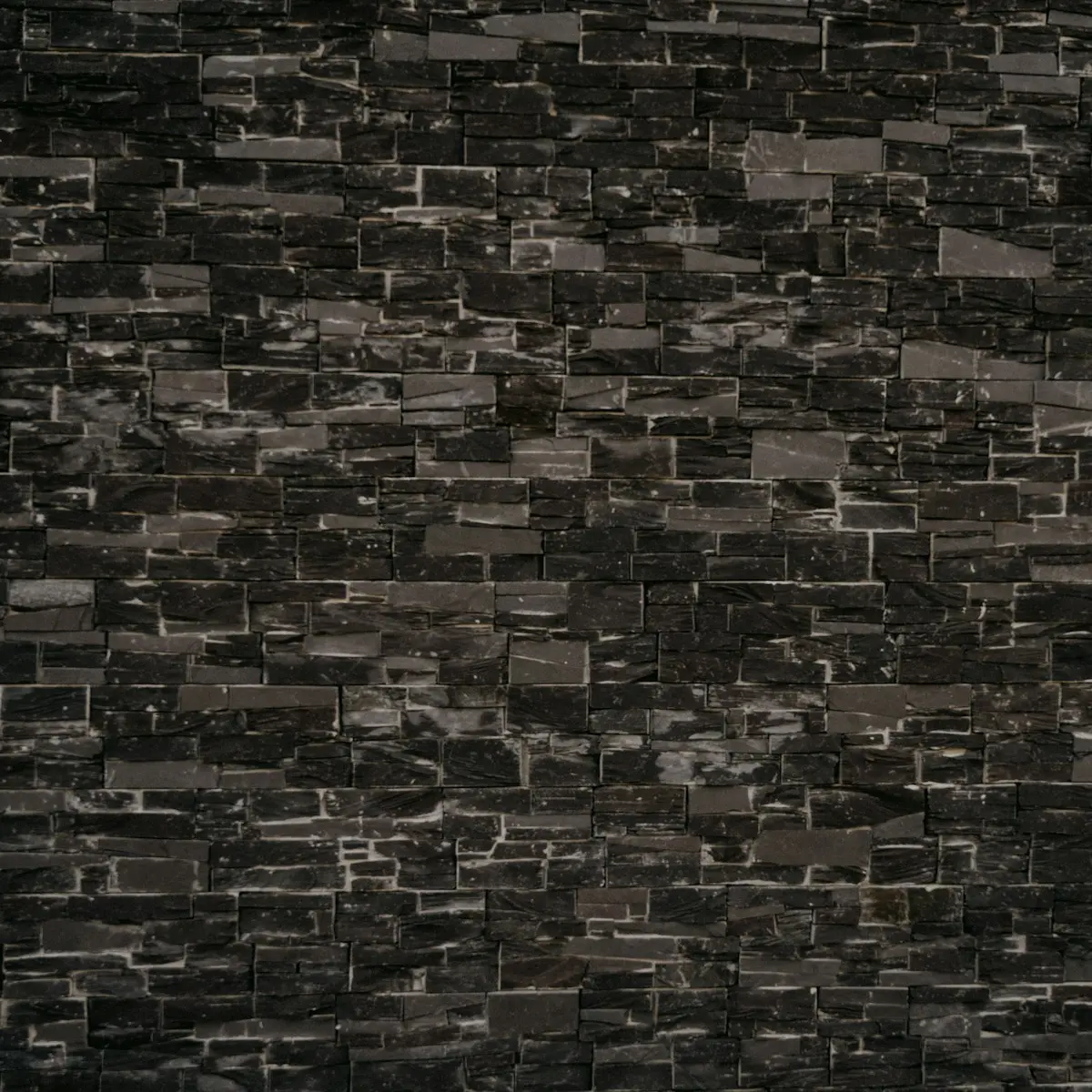
31
Slimline Black
Slimline black brick, black mortar joints
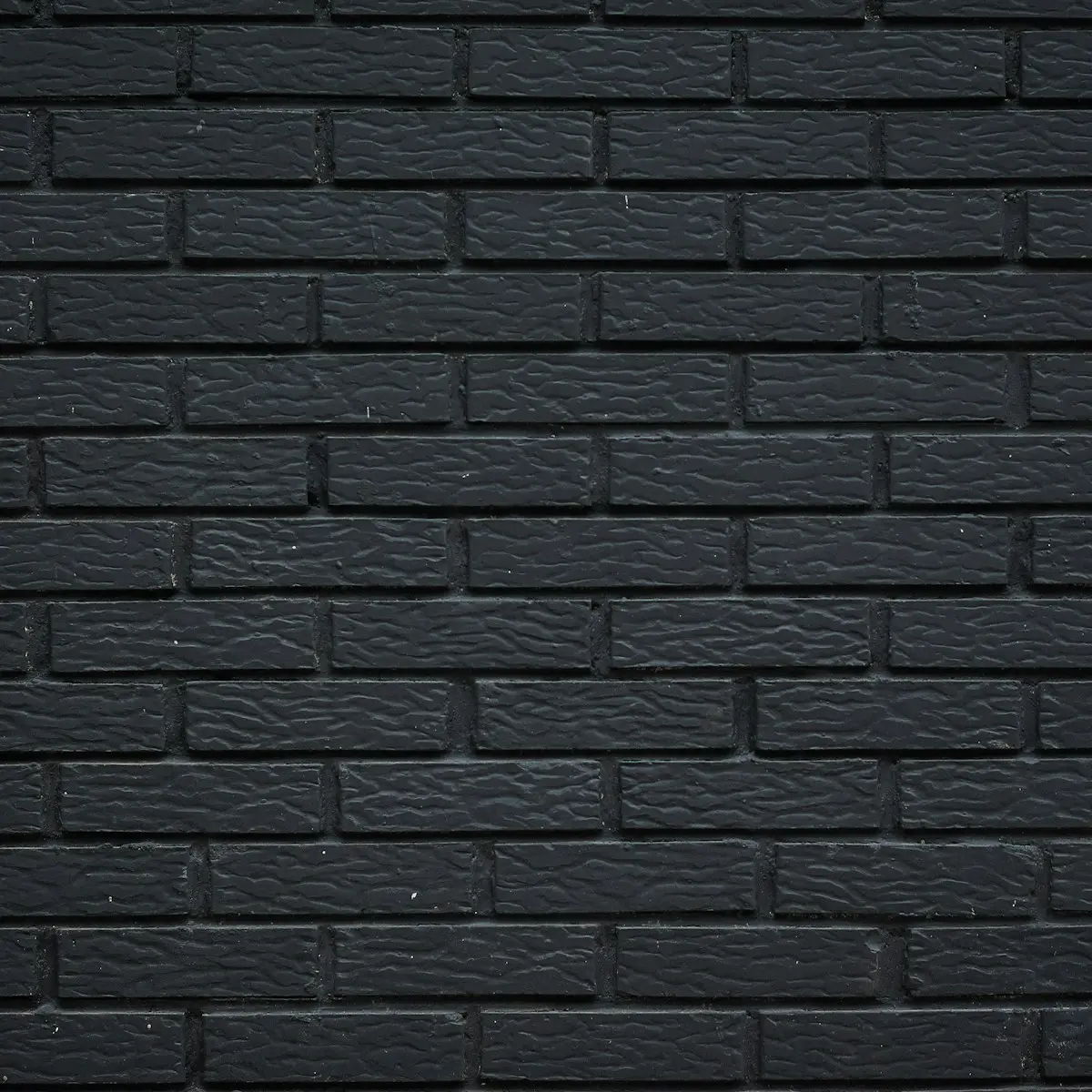
32
Painted Brick
Recycled brick, painted black
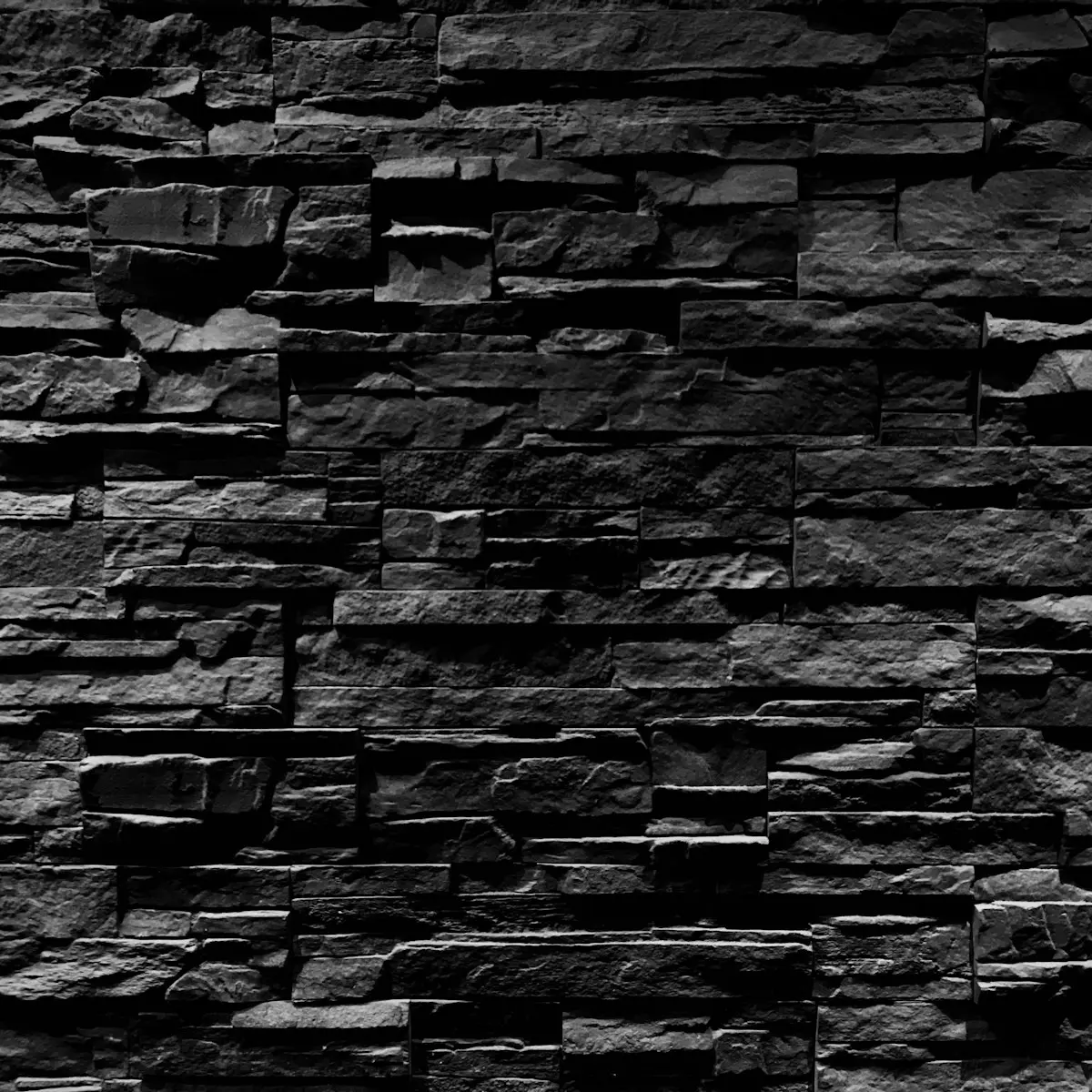
33
Dry Stack
Dark basalt rubble, recessed joints
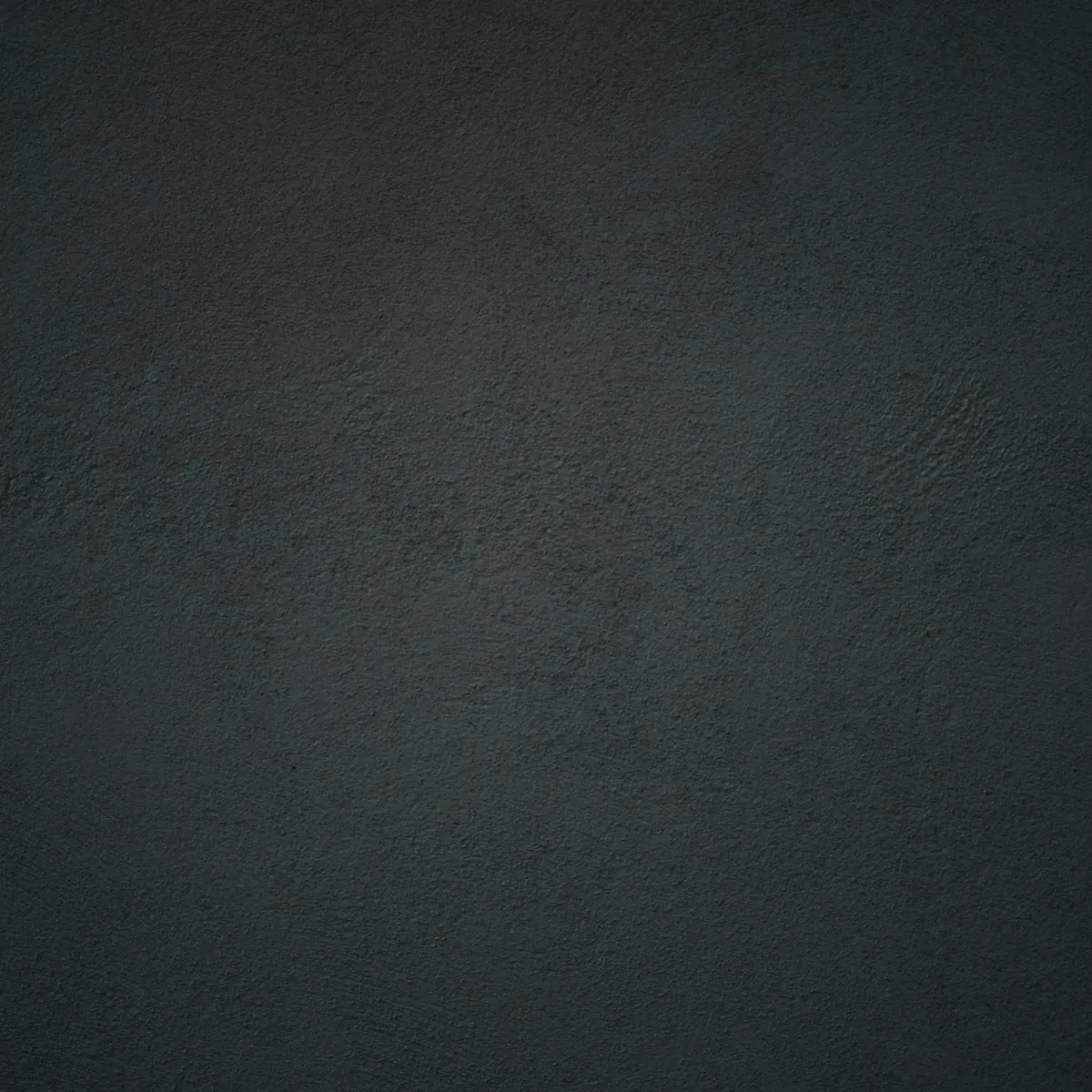
34
Burnished Render
Charcoal cement render, trowelled
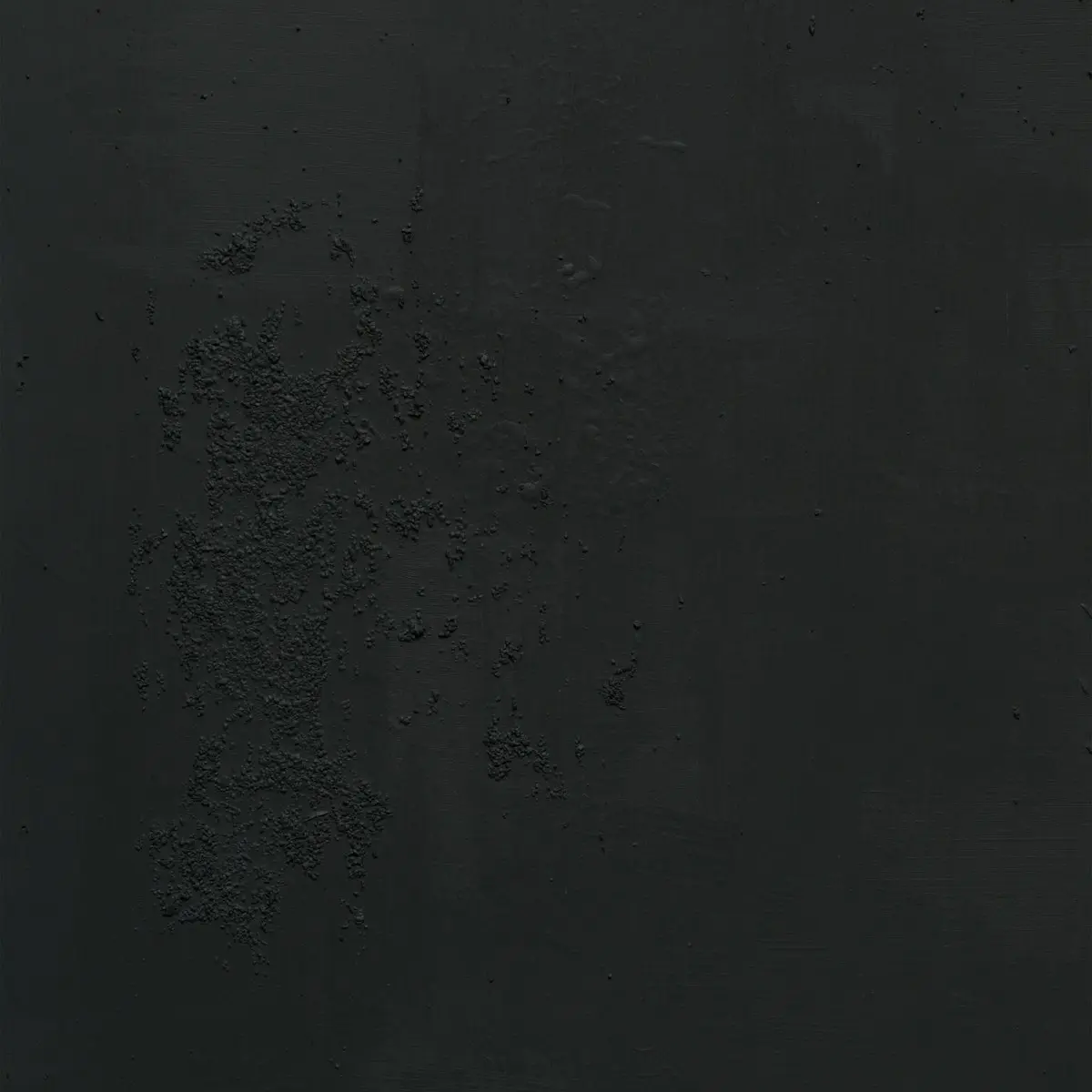
35
Ink Render
Black venetian plaster
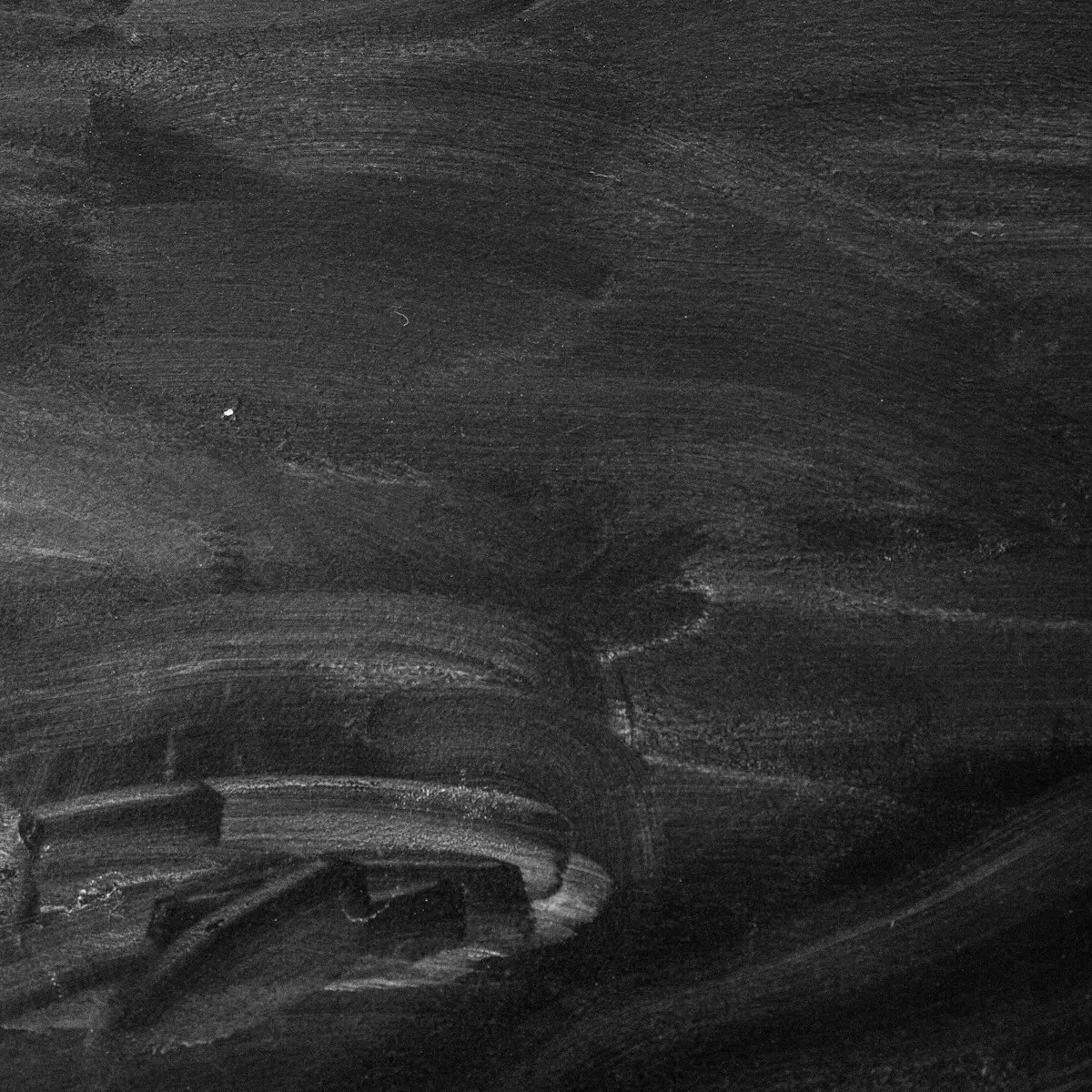
36
Limewash Black
Black limewash, cloud finish
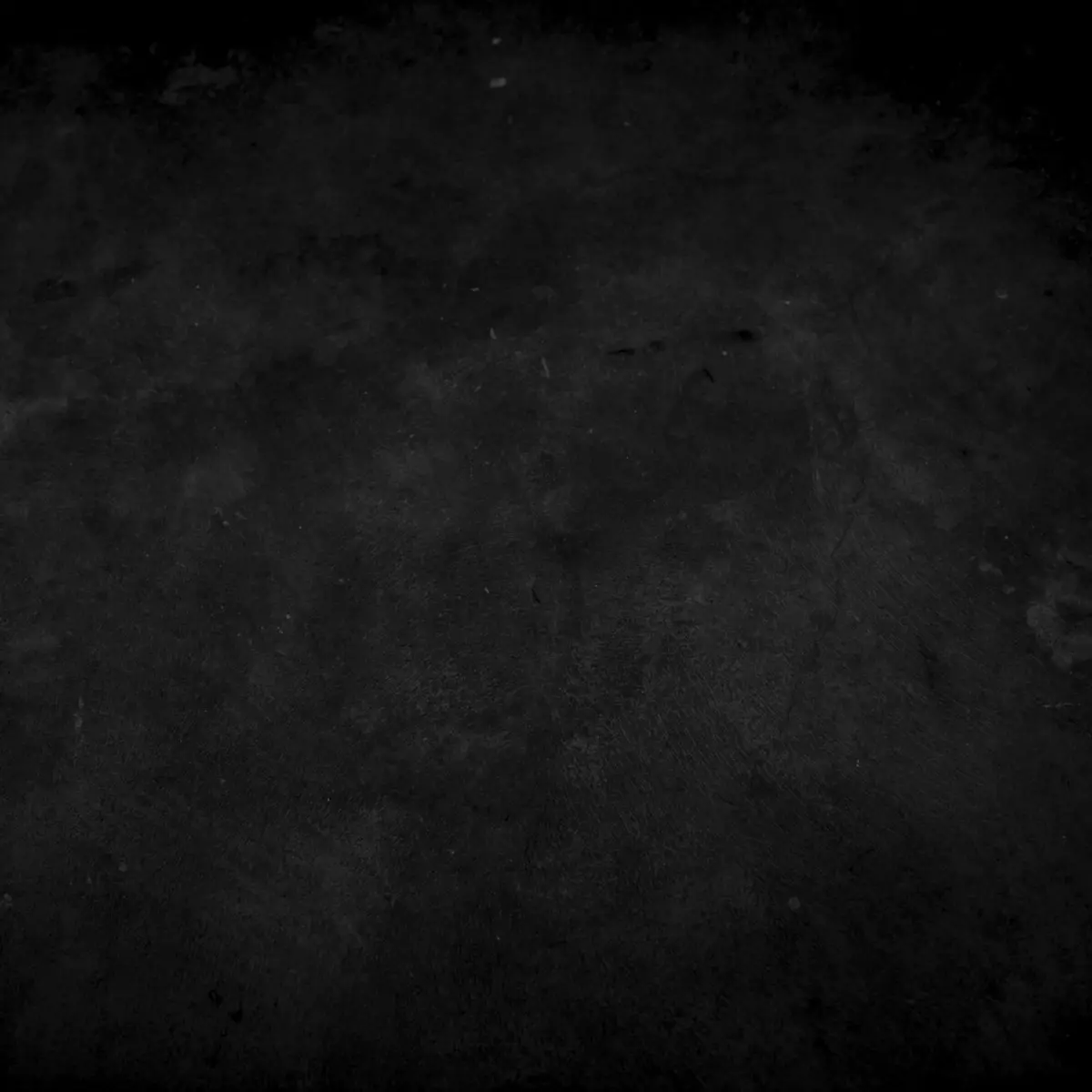
37
Shadow Concrete
Dark-tinted off-form concrete
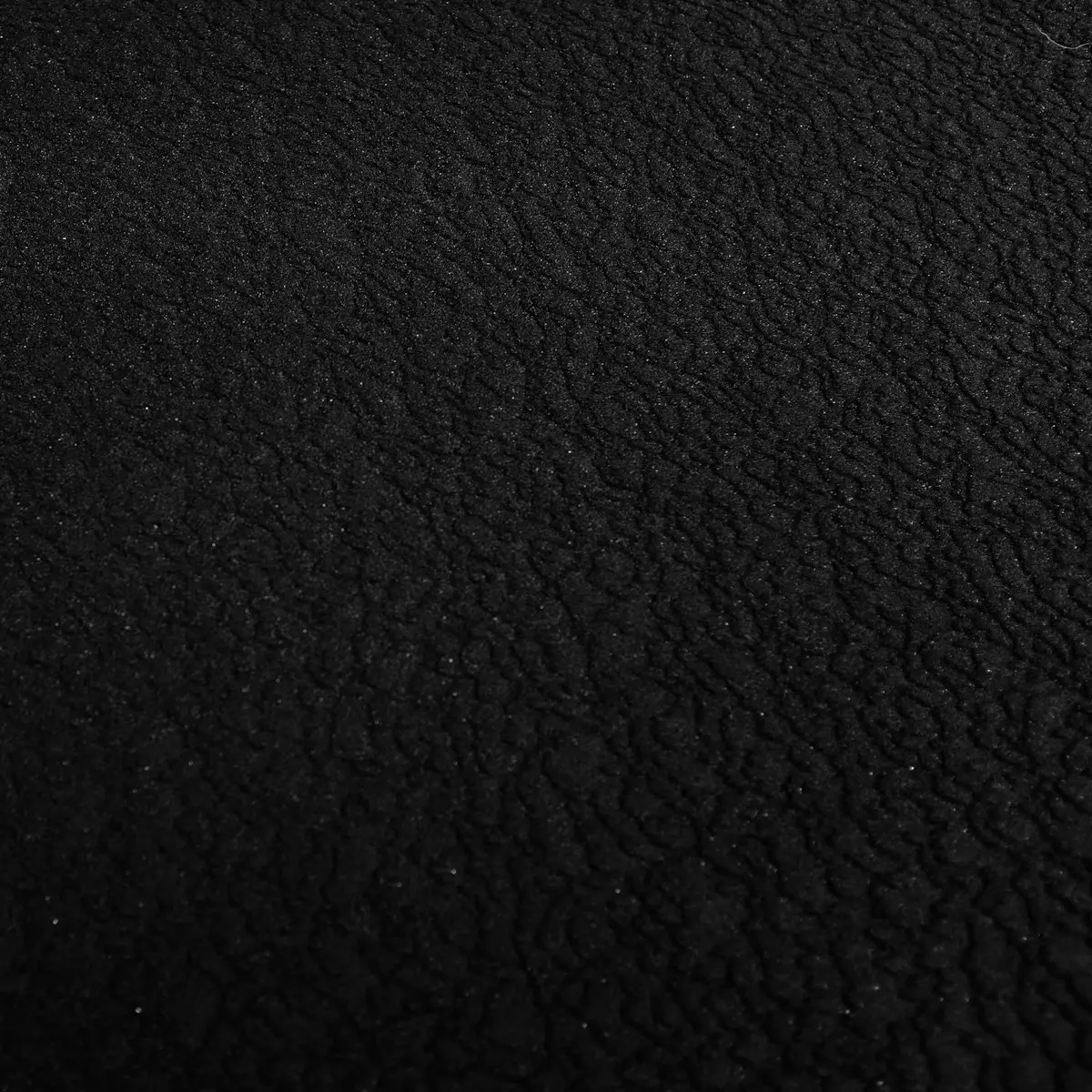
38
The Stipple
Textured black wall coating
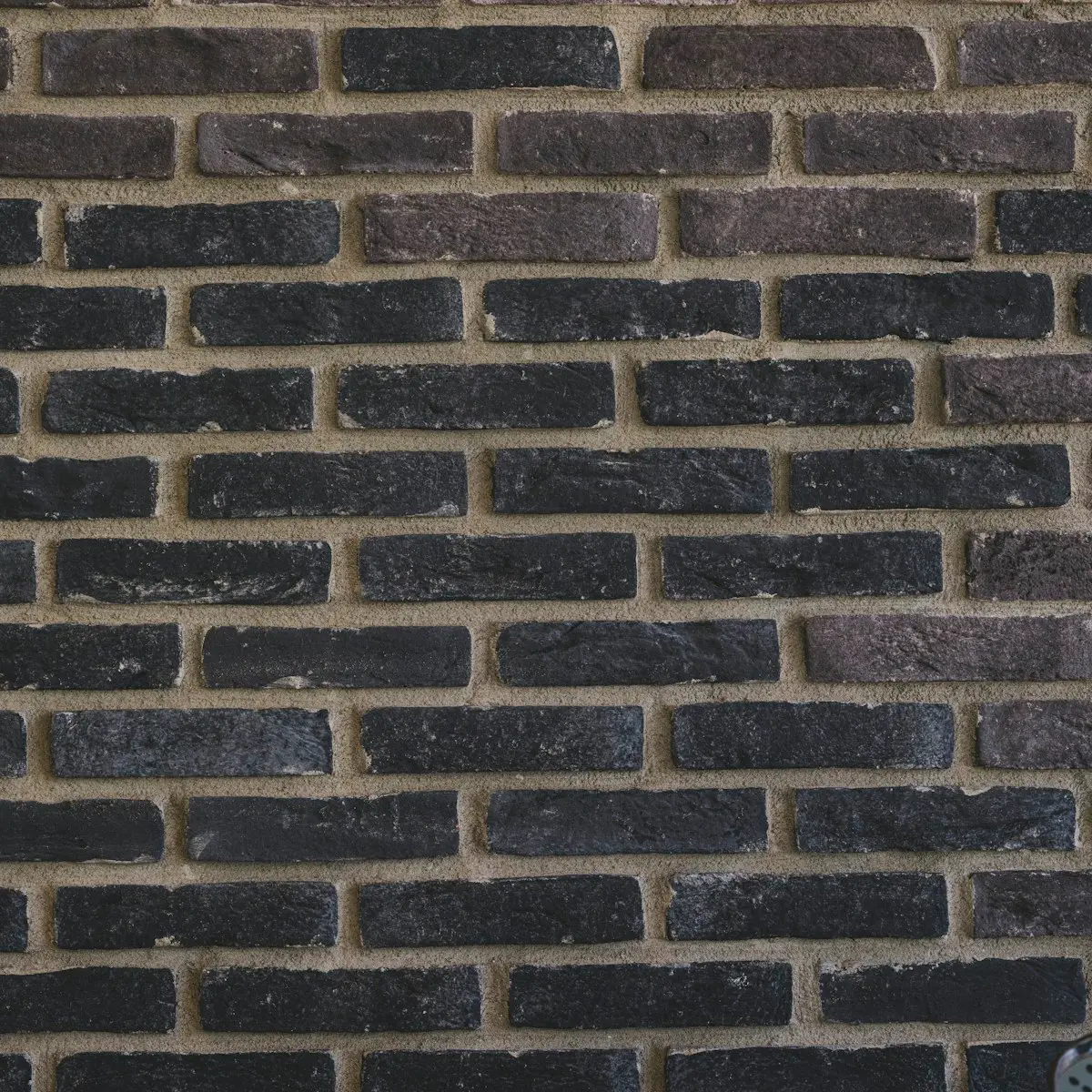
39
Tumbled Black
Tumbled dark brick, flush joints
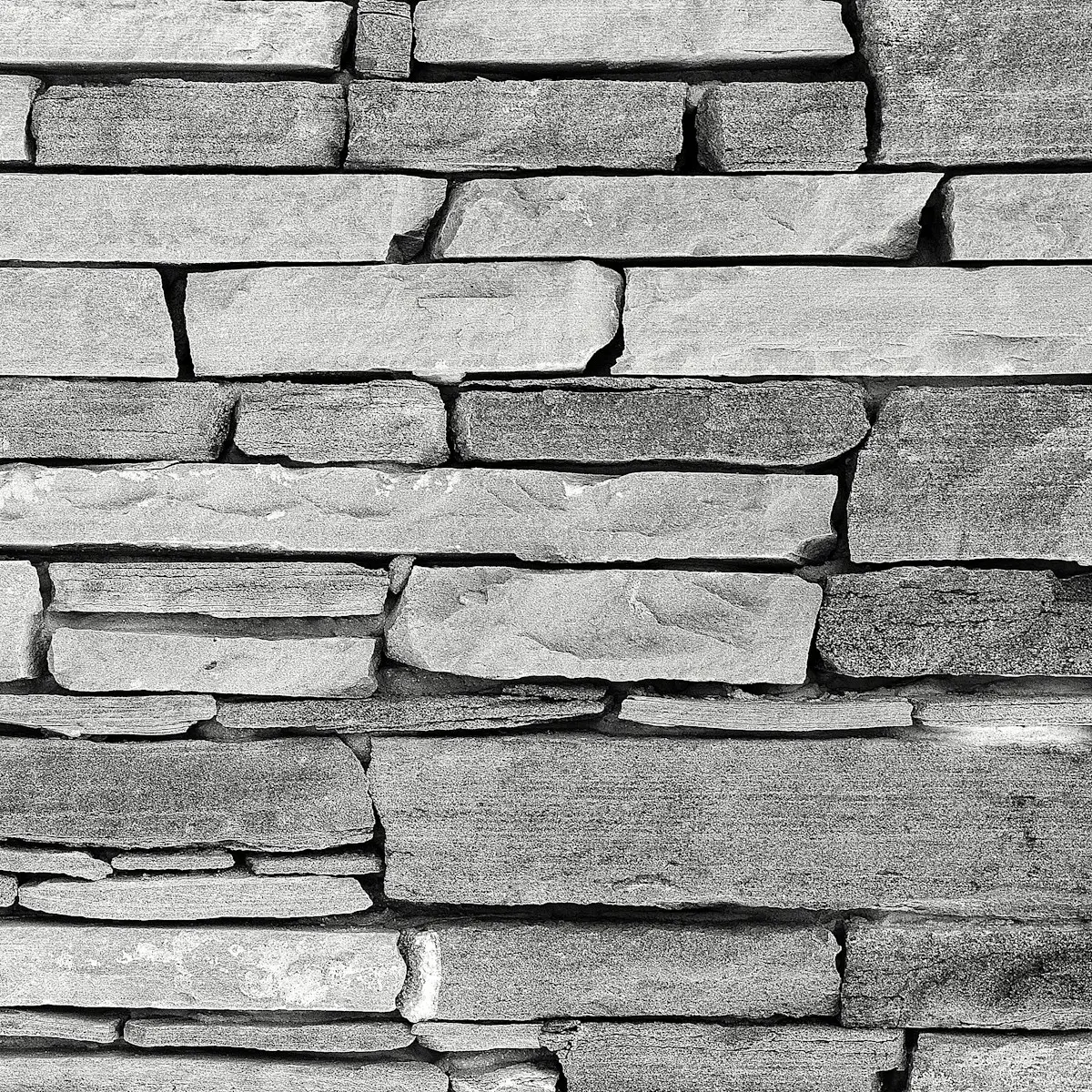
40
Ledgestone
Split-stone ledge cladding, silvered
V
The Metal
Skins and seams — and the one warm metal the palette allows.
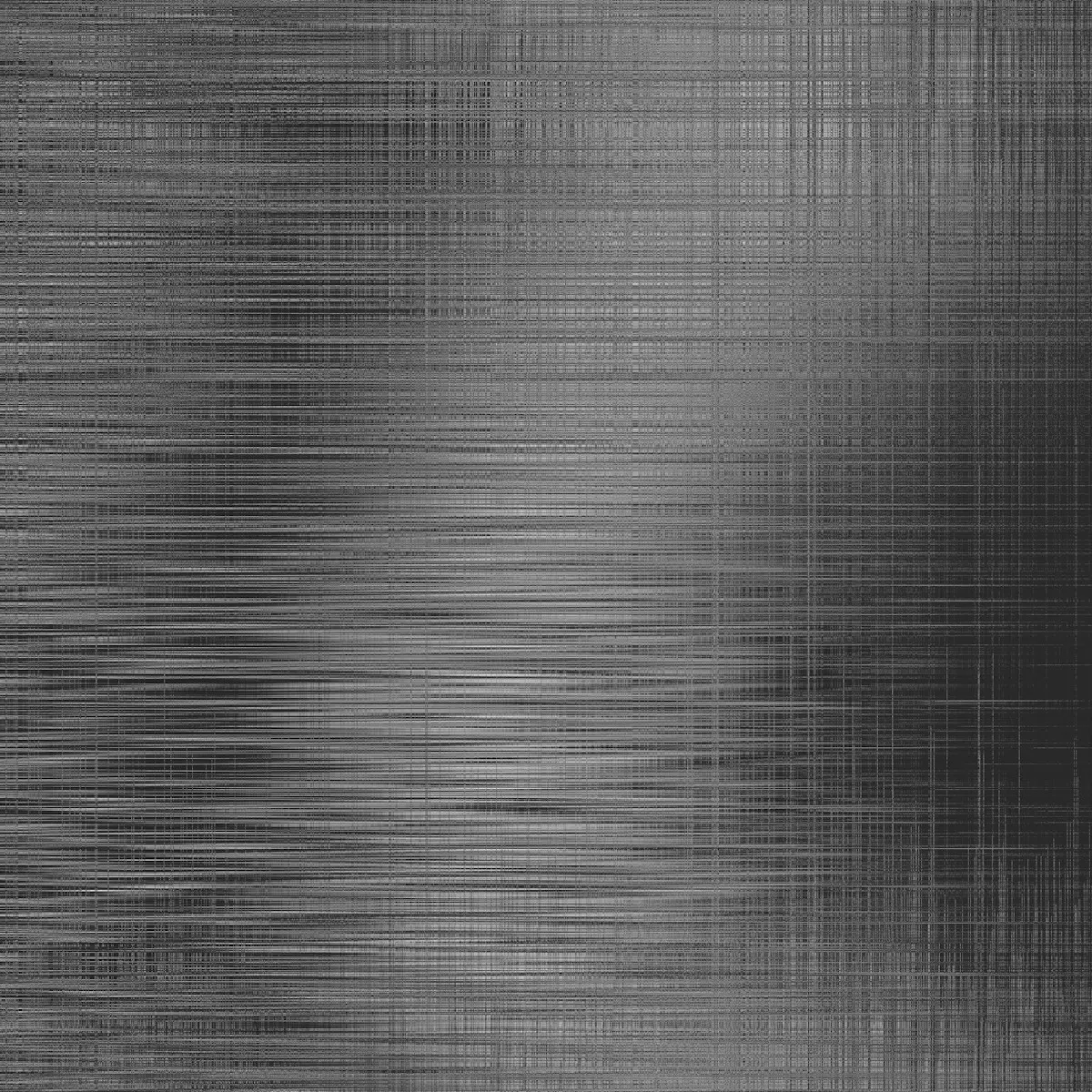
41
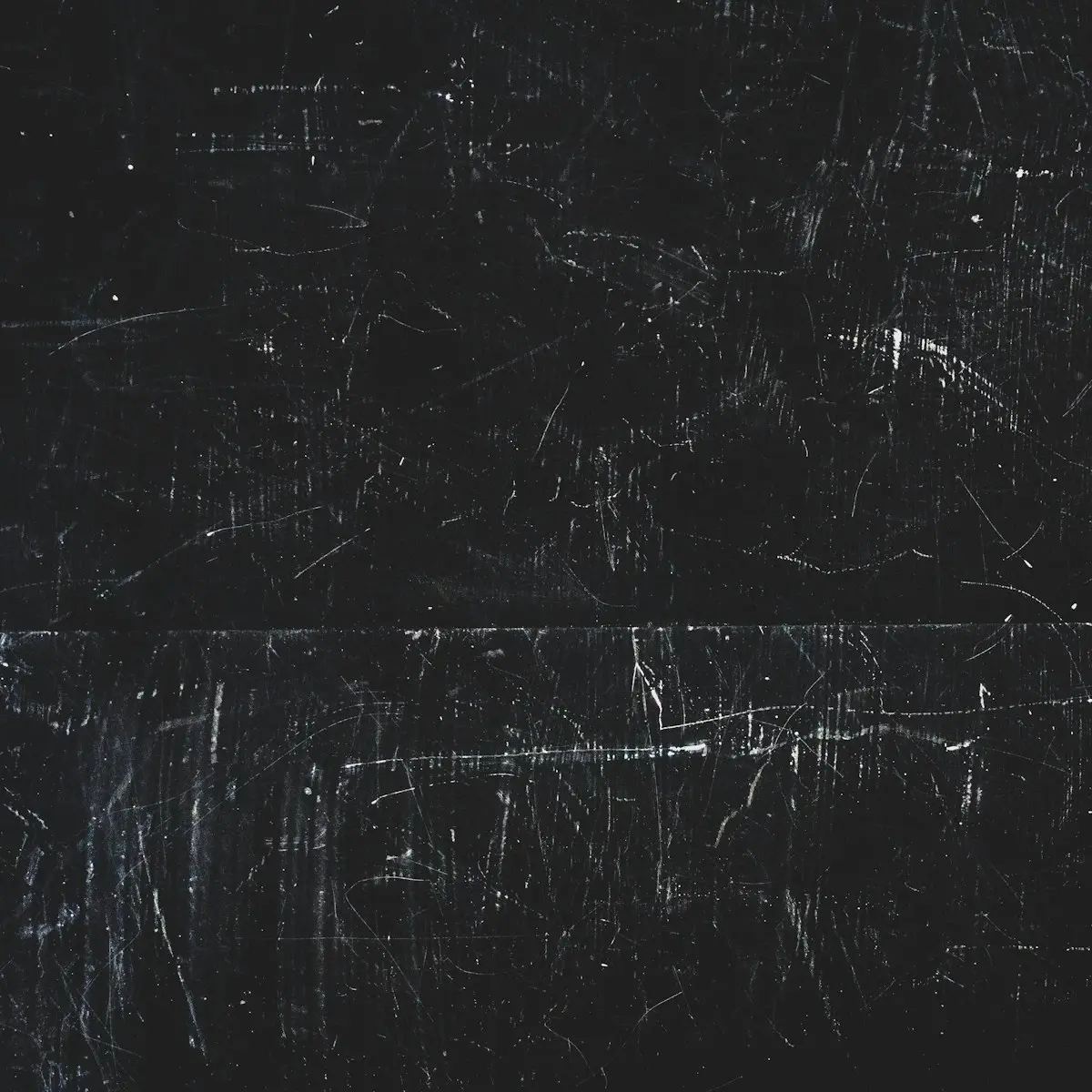
Blackened Steel
Patinated steel benchtop, waxed
42
Mill Scale
Raw mild steel, clear-sealed
43
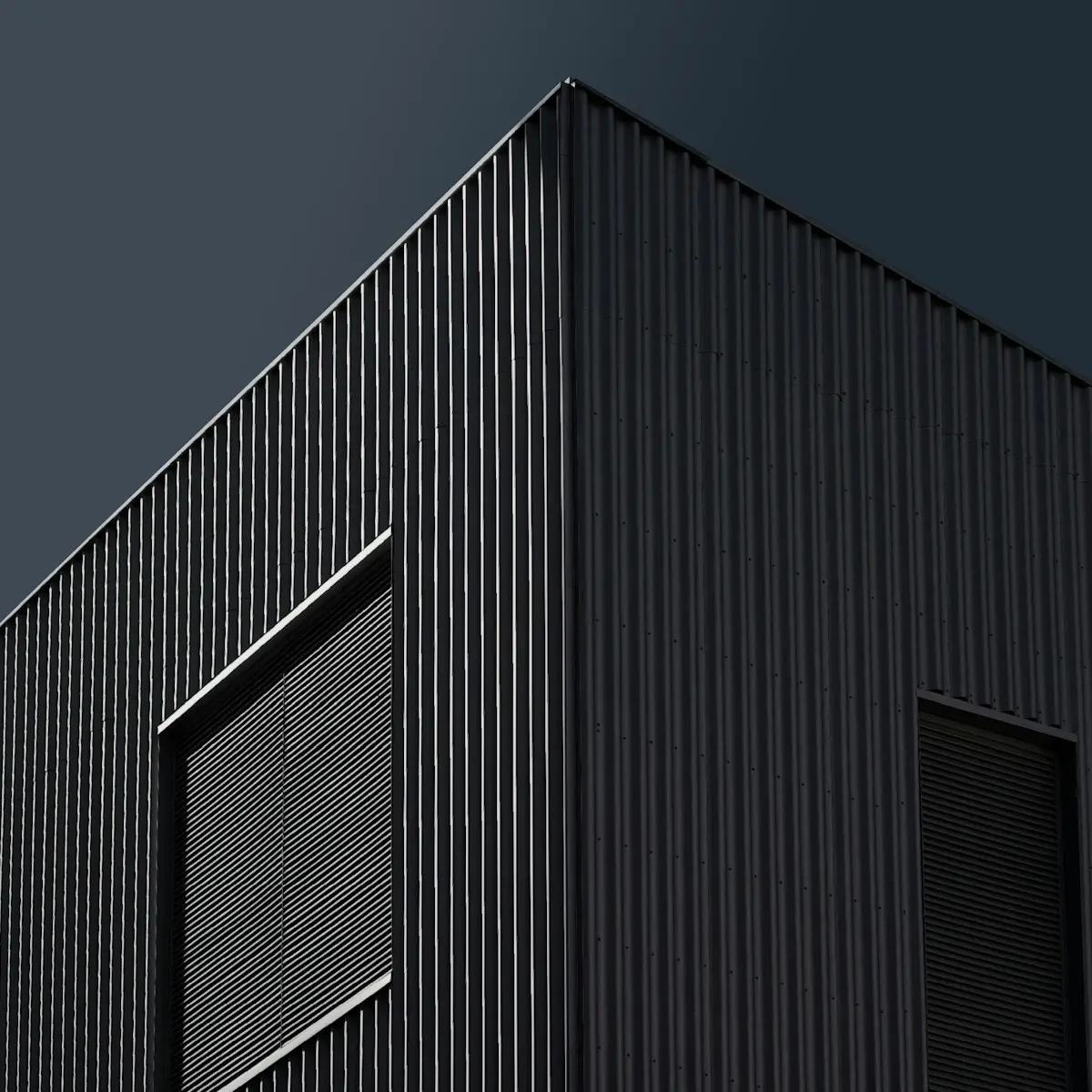
Standing Seam
Black interlocking panel — roof & wall

44
Mini Orb
Fine-rib profile, Monument-toned
45
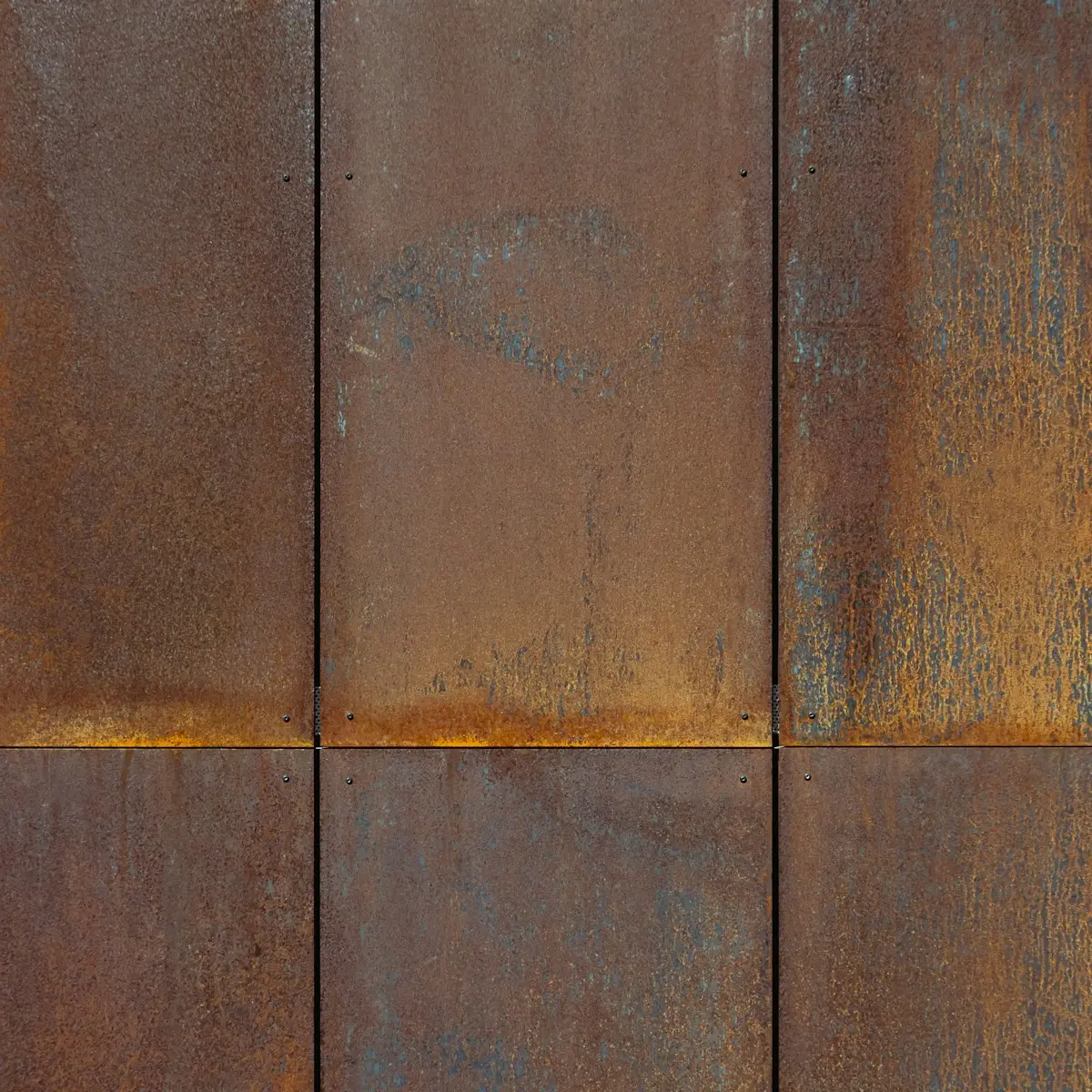
Corten
Weathering steel — the rust accent
46
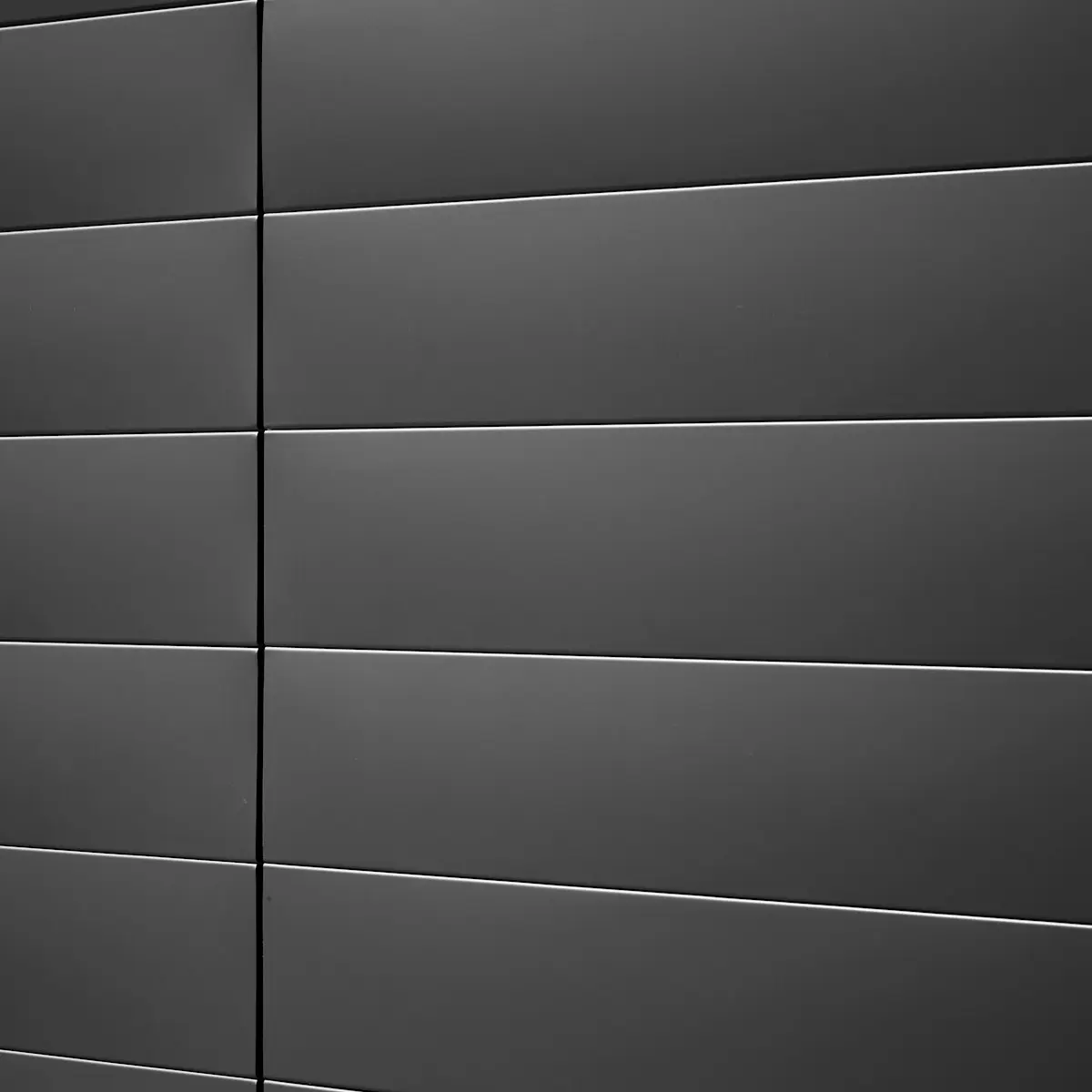
Zinc
Pre-weathered zinc, seamed
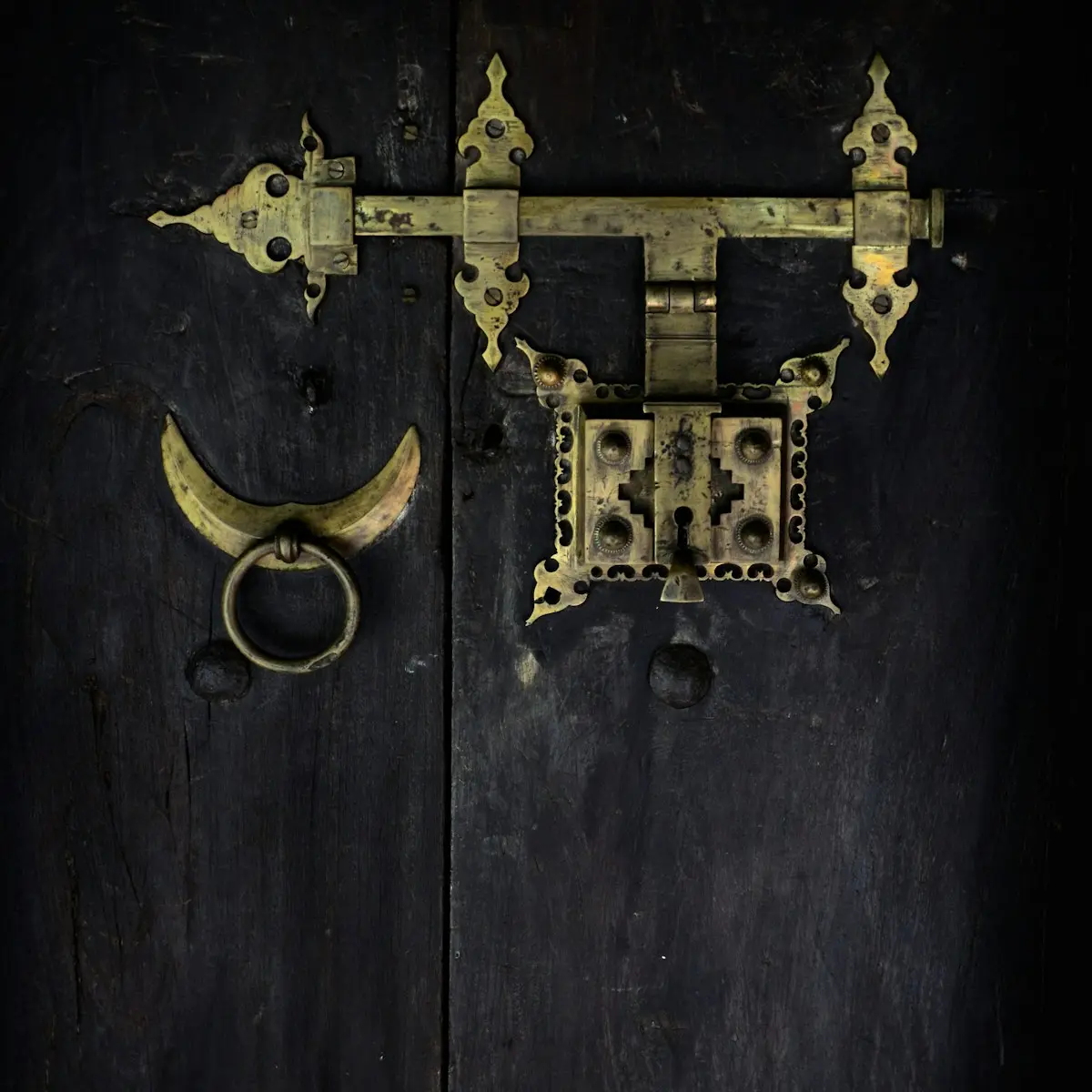
47
Burnished Brass
Aged bronze & brass — tapware, switches, edges
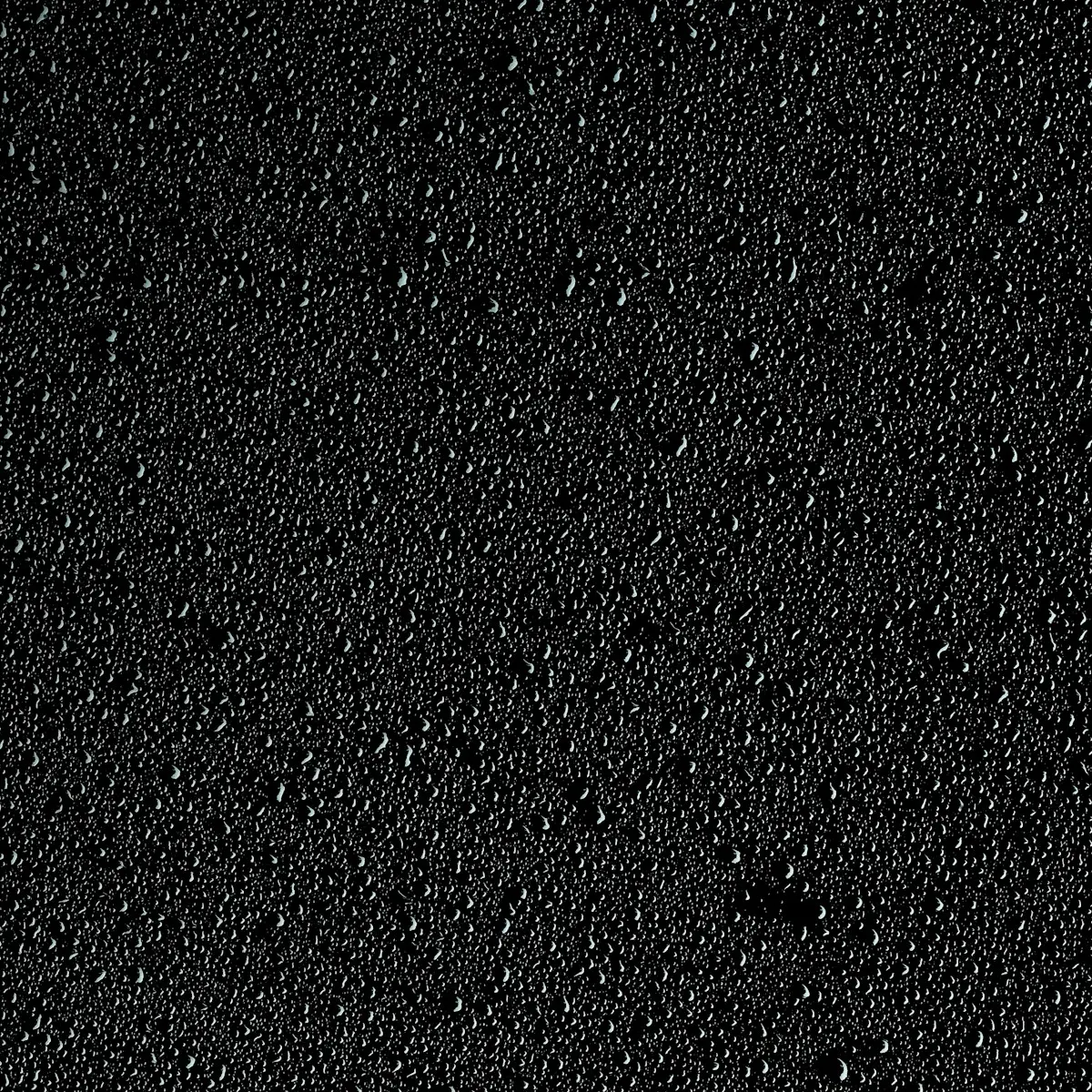
48
Rain on Black
Matte black powdercoat — windows & trim
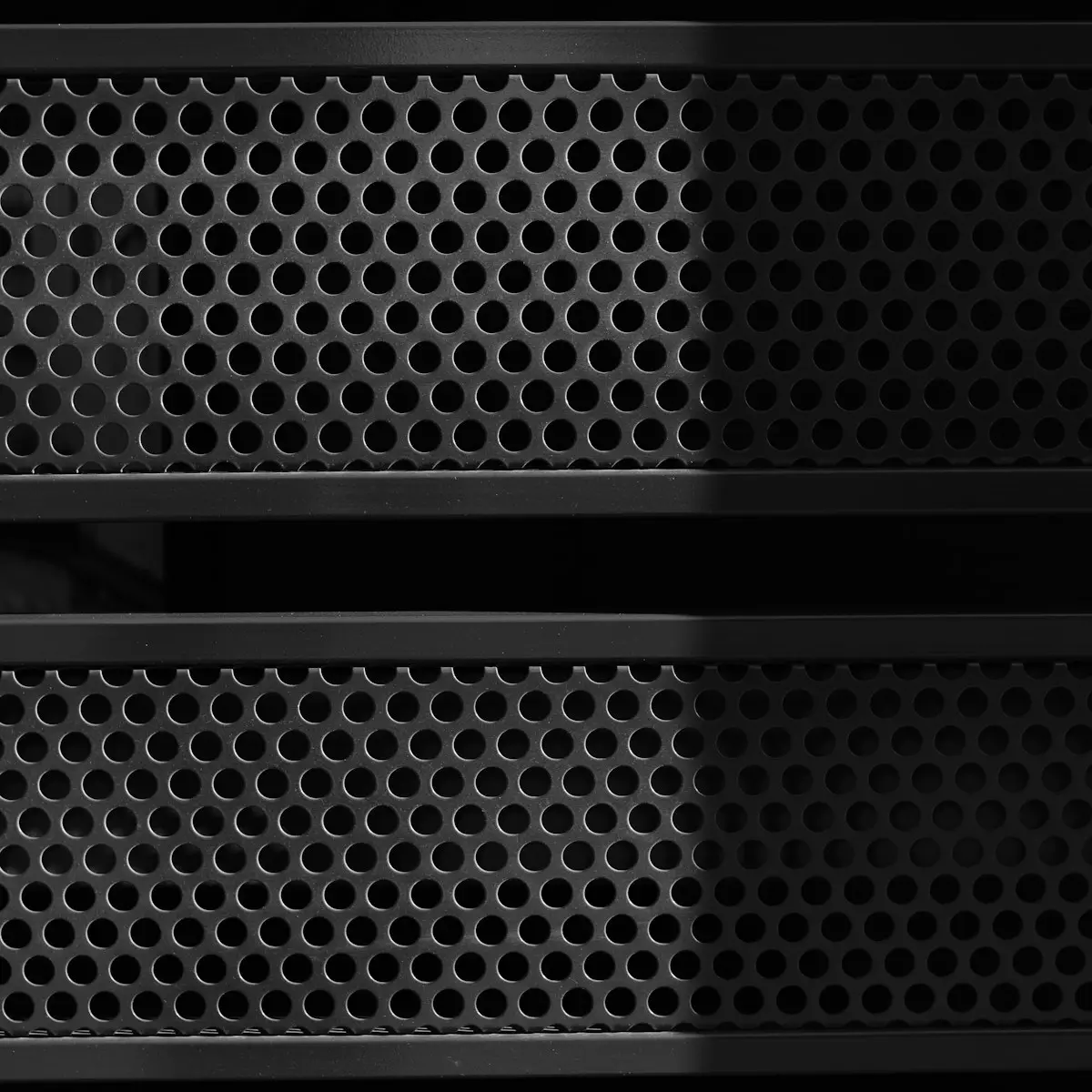
49
Perforated Black
Perforated aluminium screen, matte black
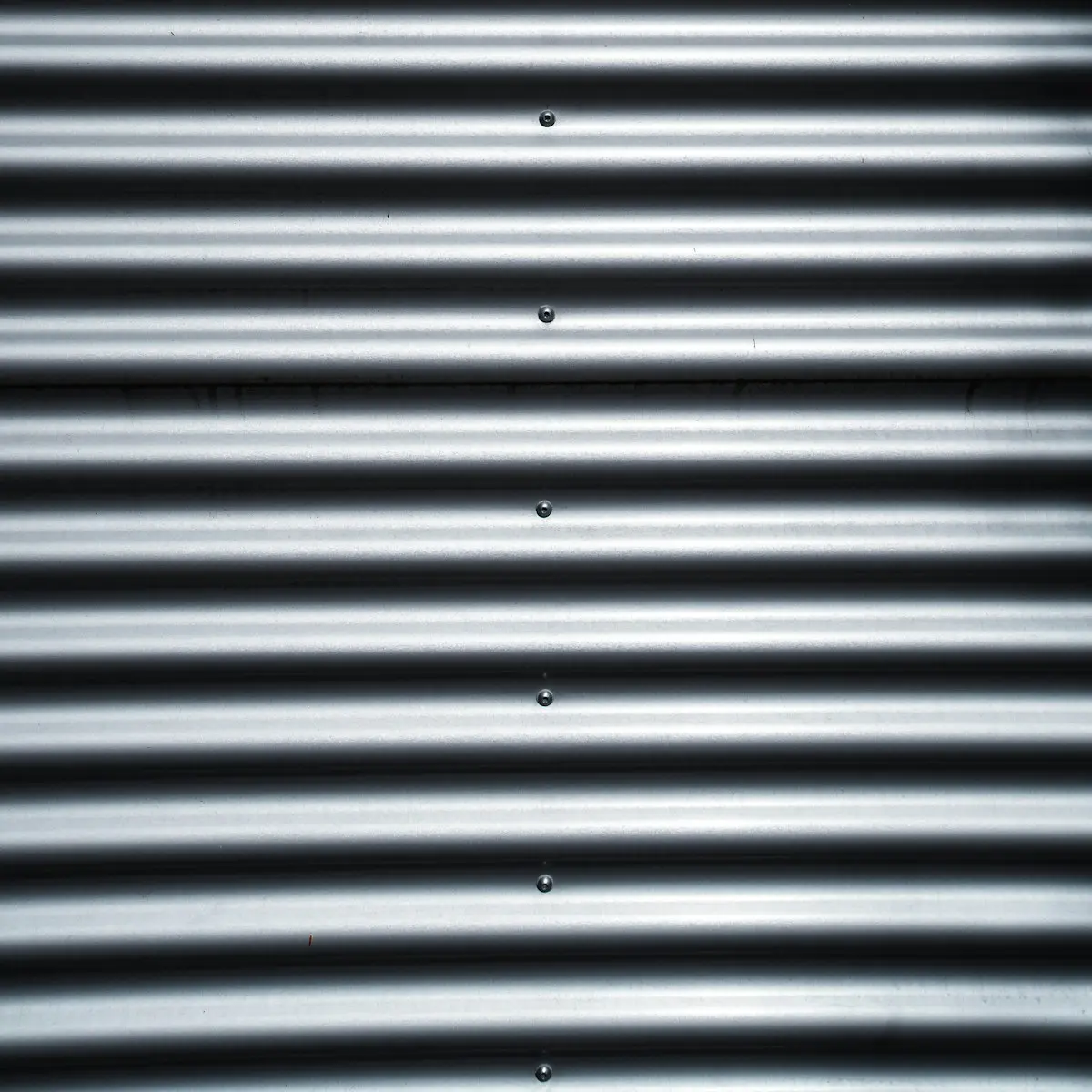
50
Galvanised
Galvanised corrugate — the rural inheritance
VI
The Interior
What the hand touches — chosen for touch as much as tone.

51
Charcoal Wool
Wool twill upholstery
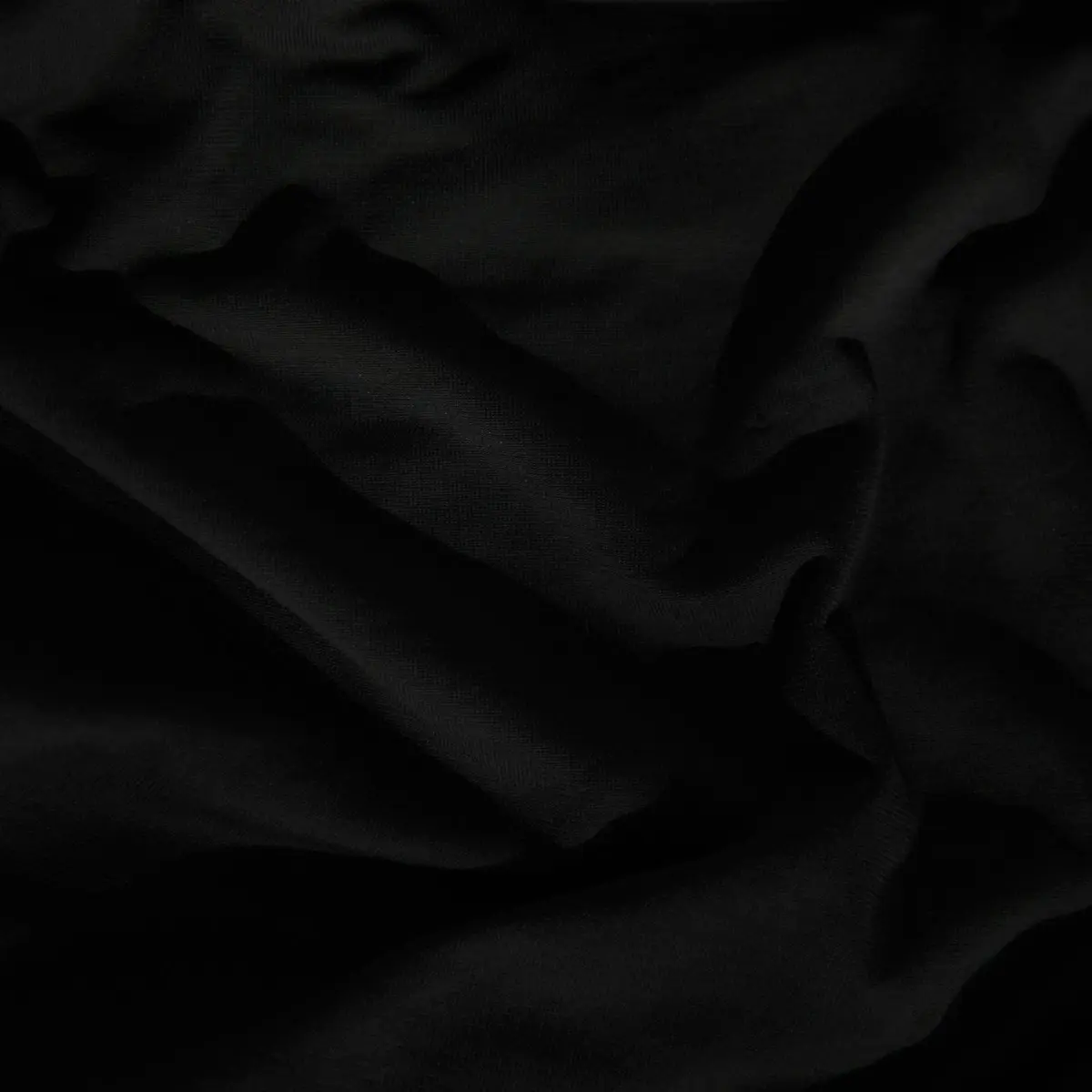
52
The Drape
Black linen, heavy fall
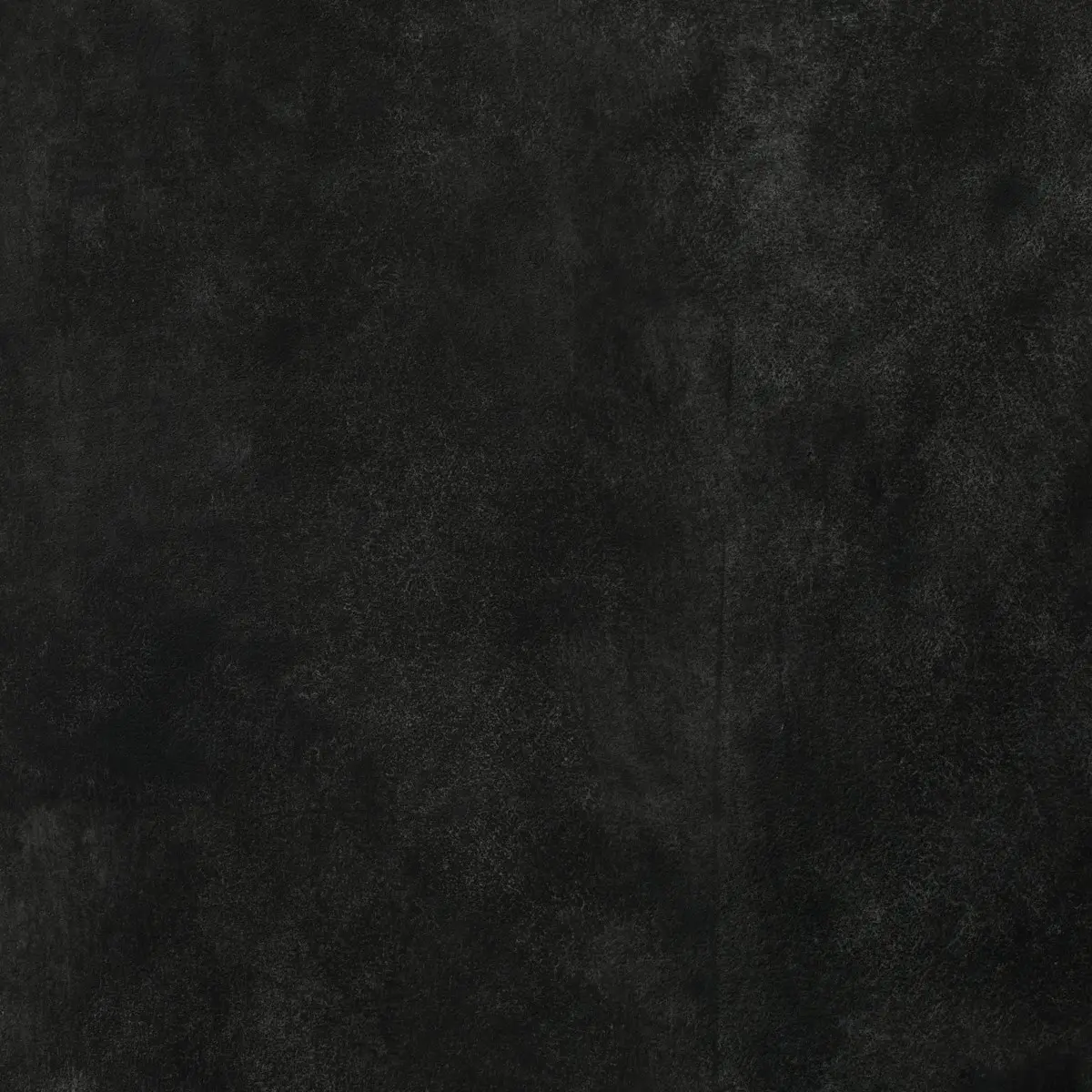
53
Night Suede
Aniline suede leather
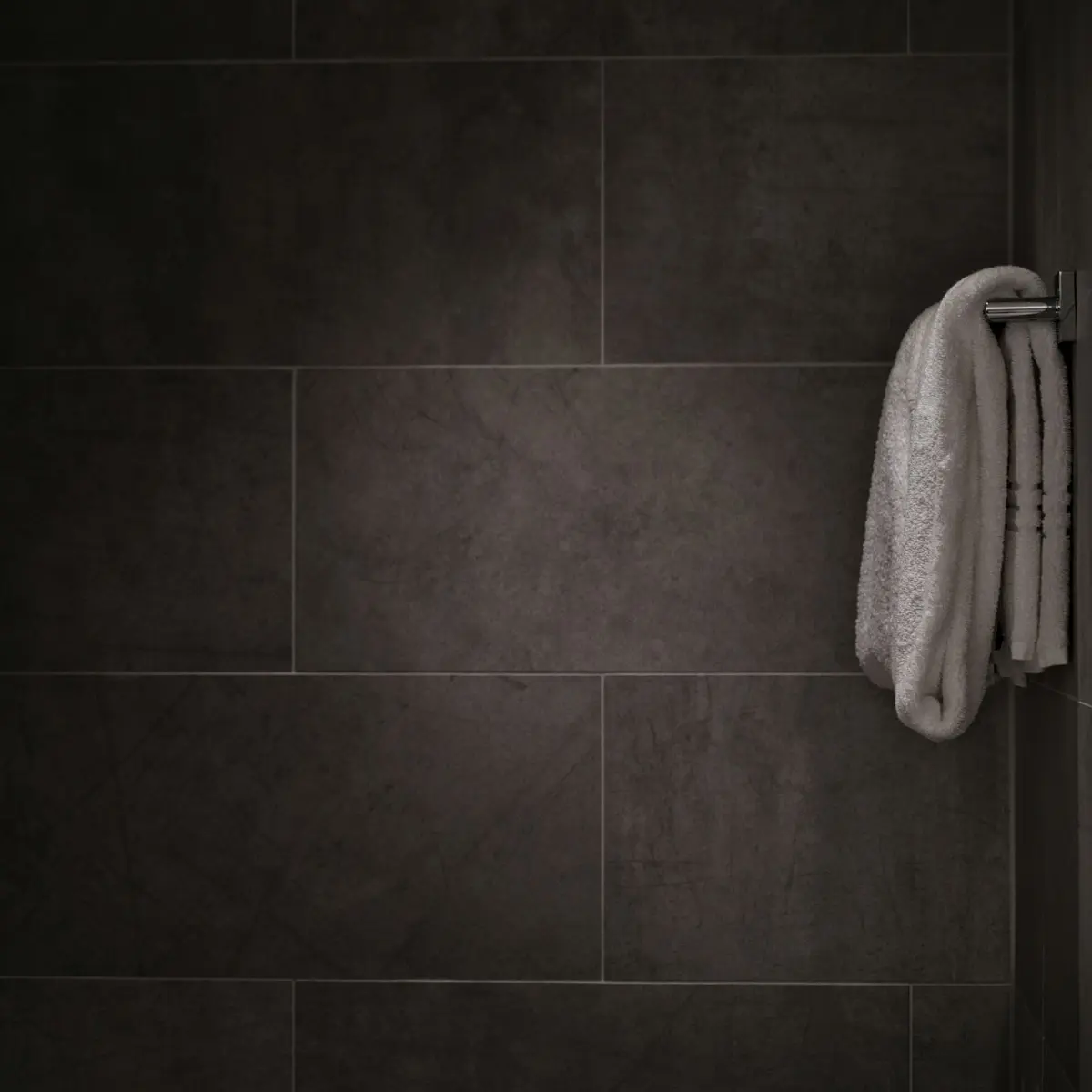
54
Charcoal Tile
Large-format porcelain, brick-laid
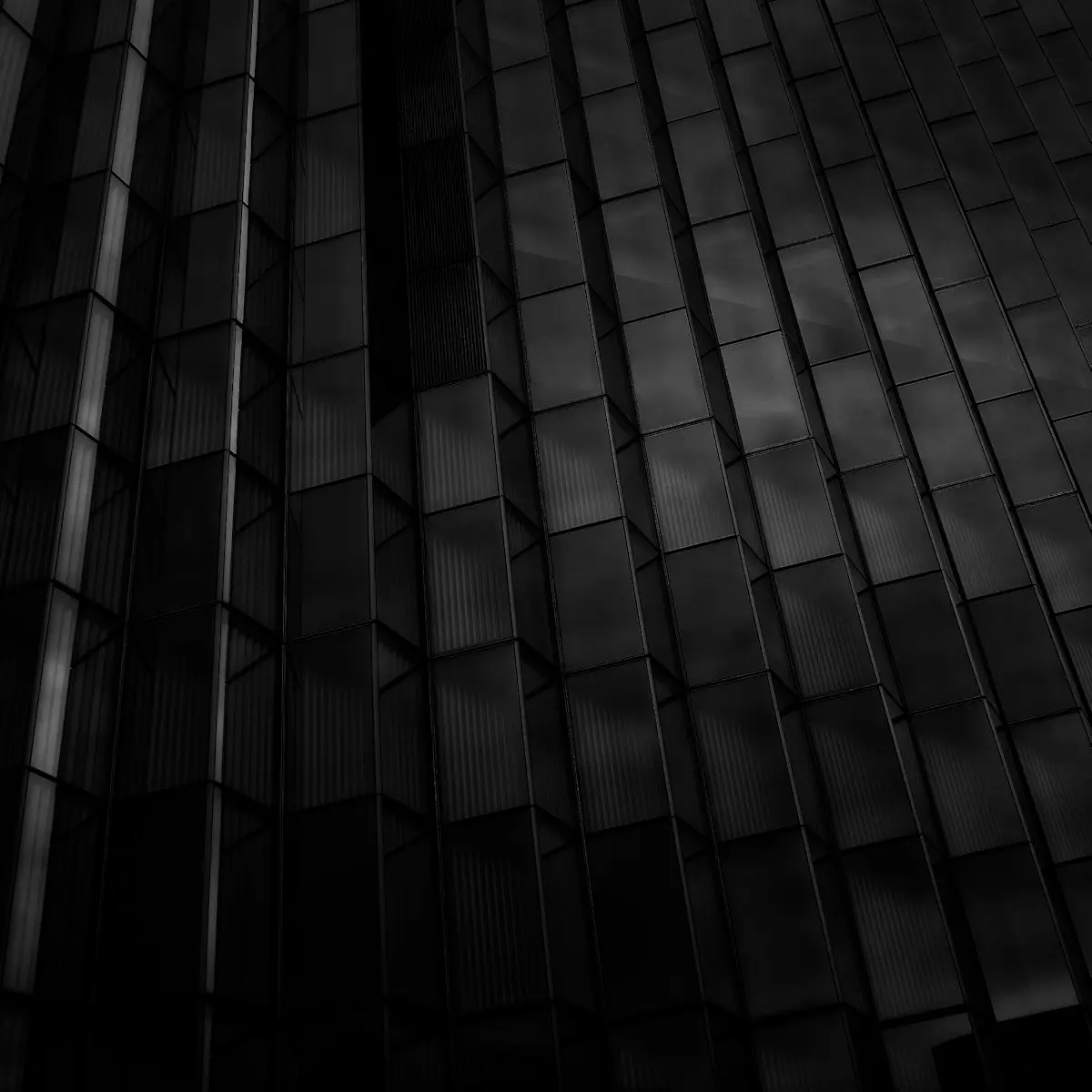
55
Smoked Glass
Grey-tinted glazing & mirrors
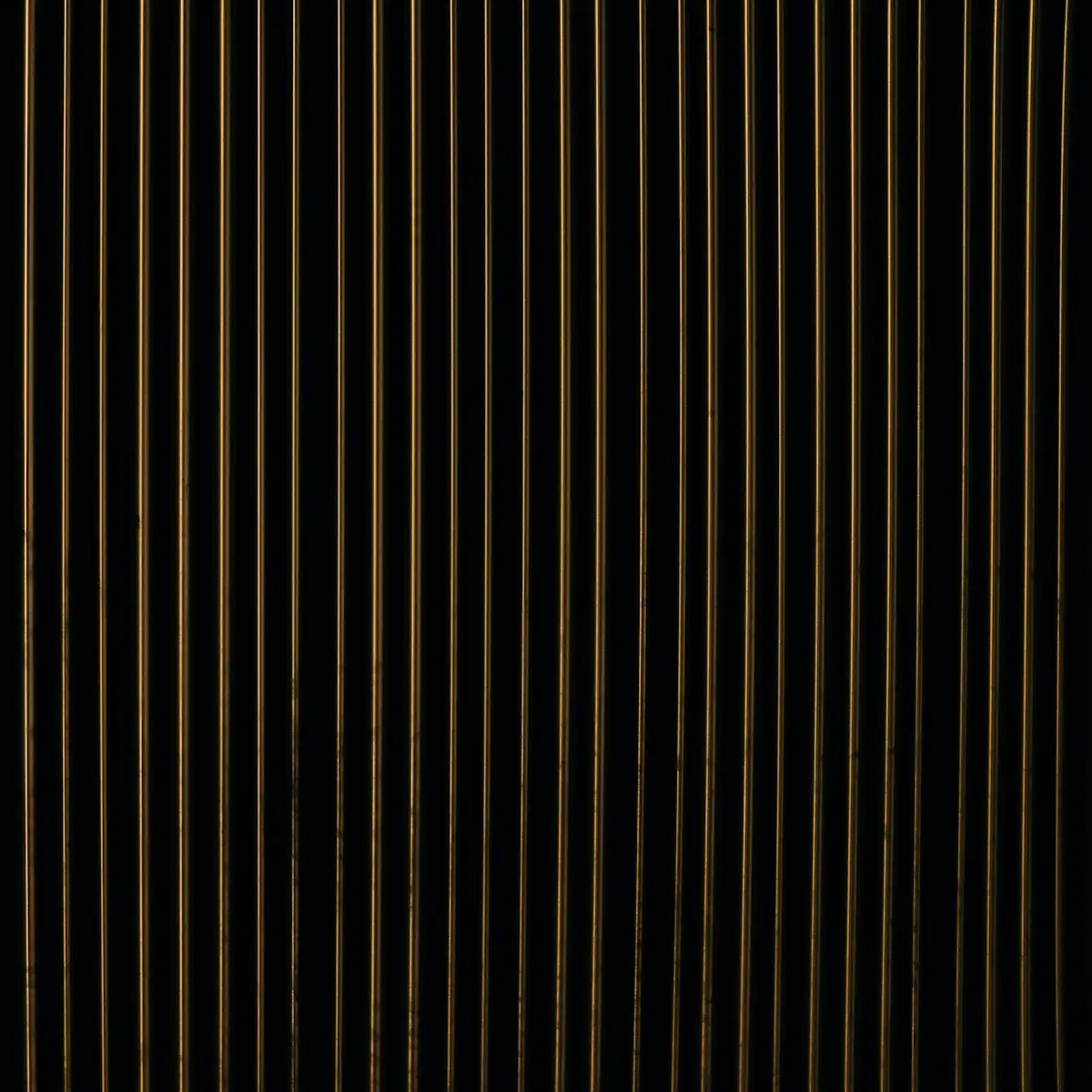
56
The Flute
Fluted black joinery panel
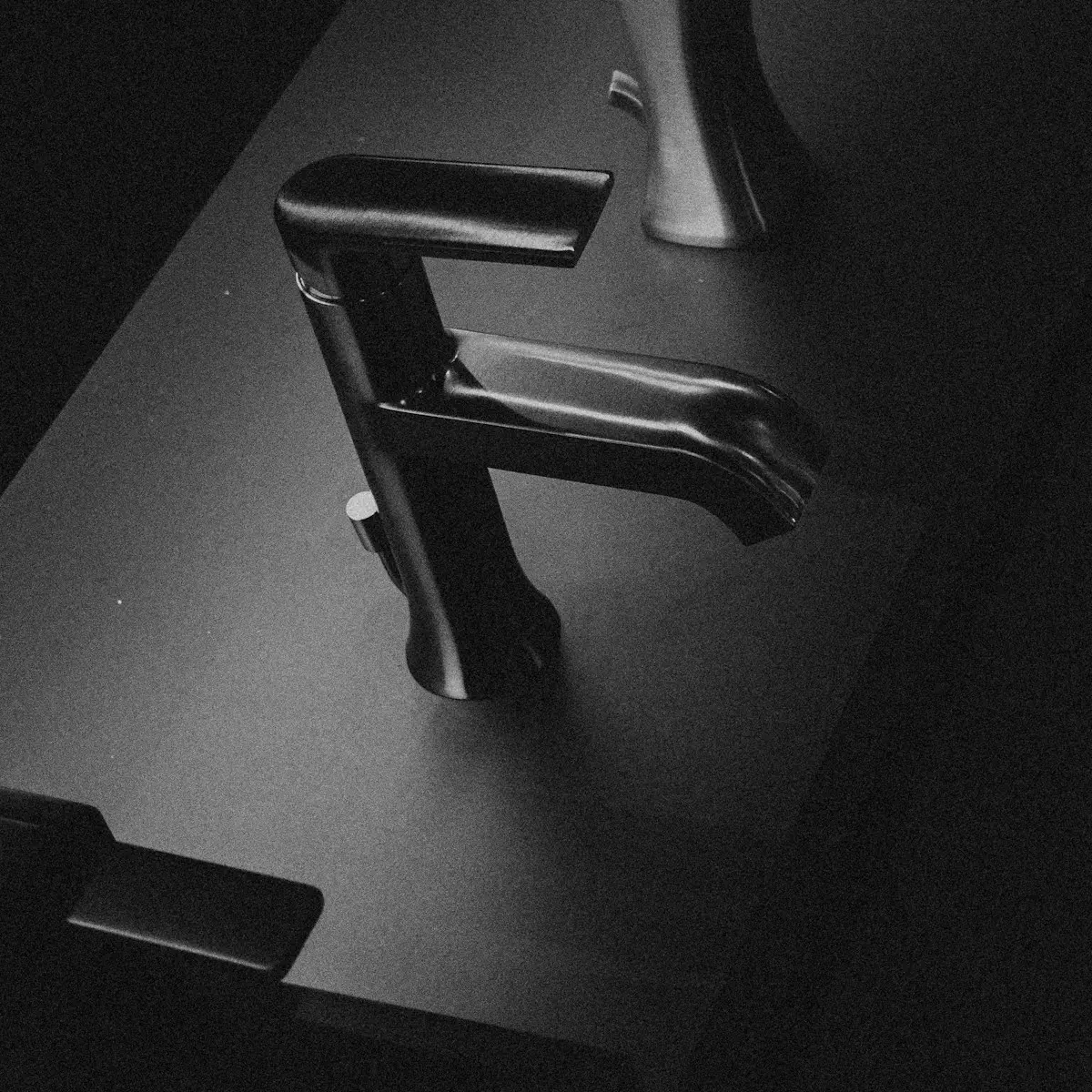
57
Matte Tapware
Matte black brassware
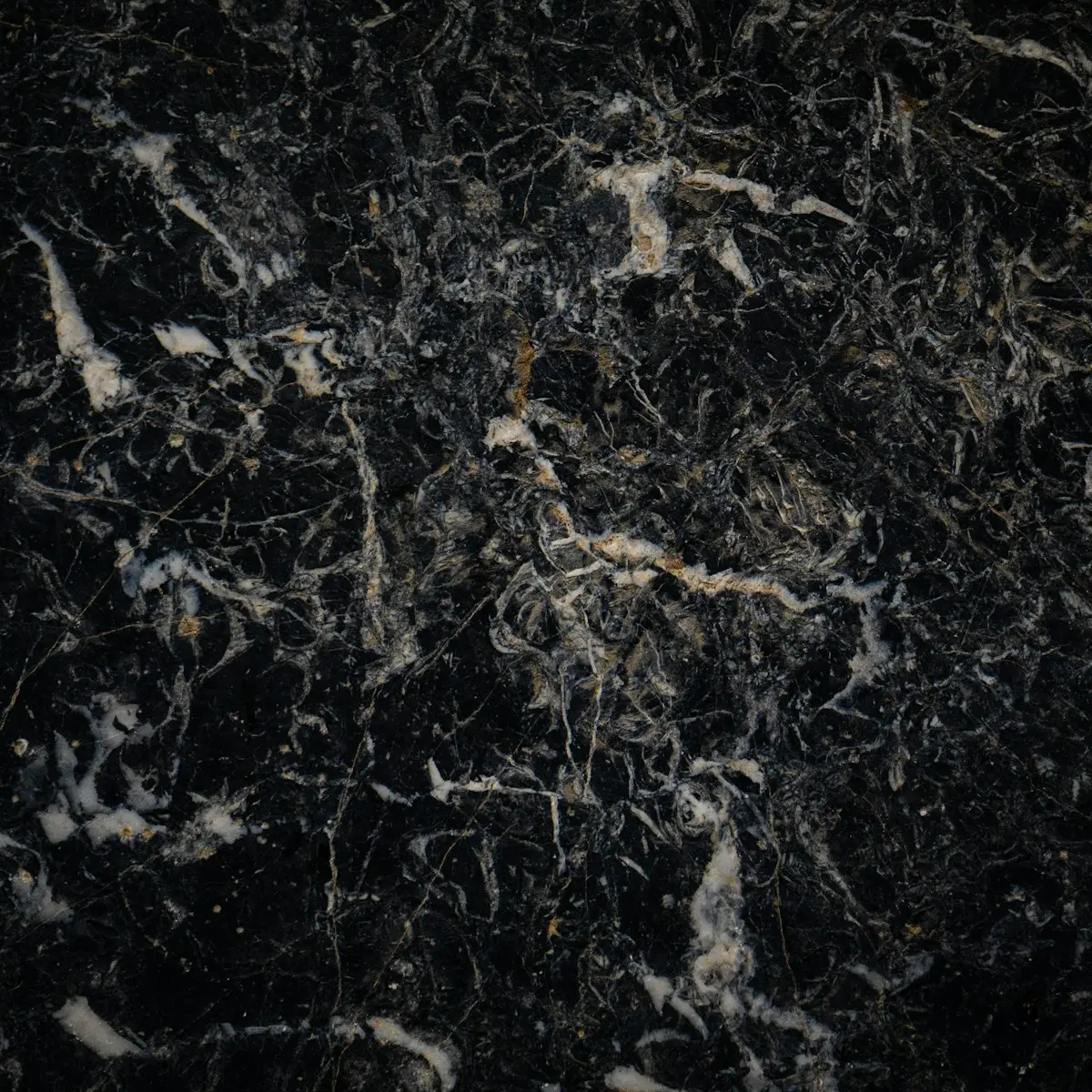
58
The Vanity Slab
Veined black marble, honed
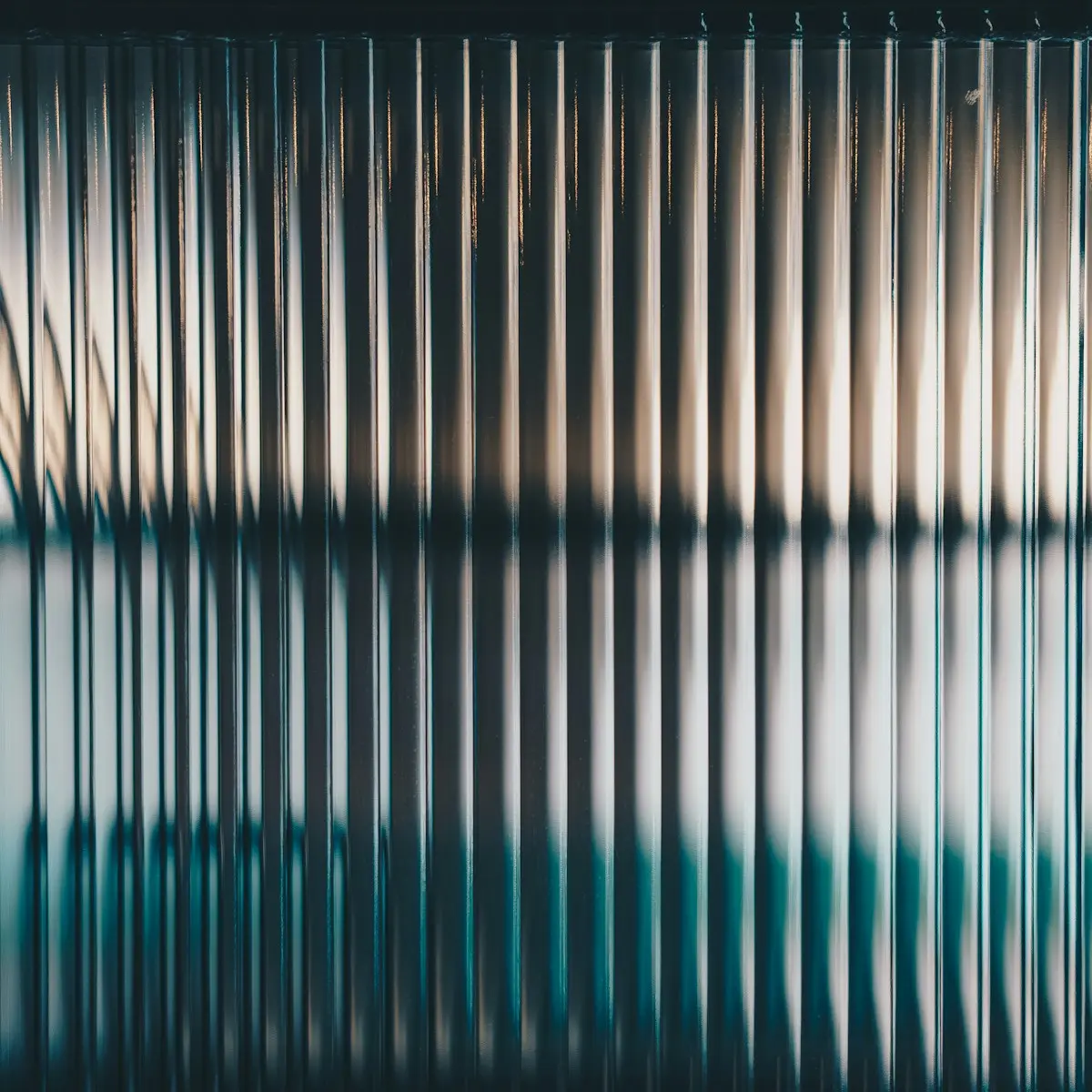
59
Reeded Glass
Reeded glass — screens & cabinet fronts
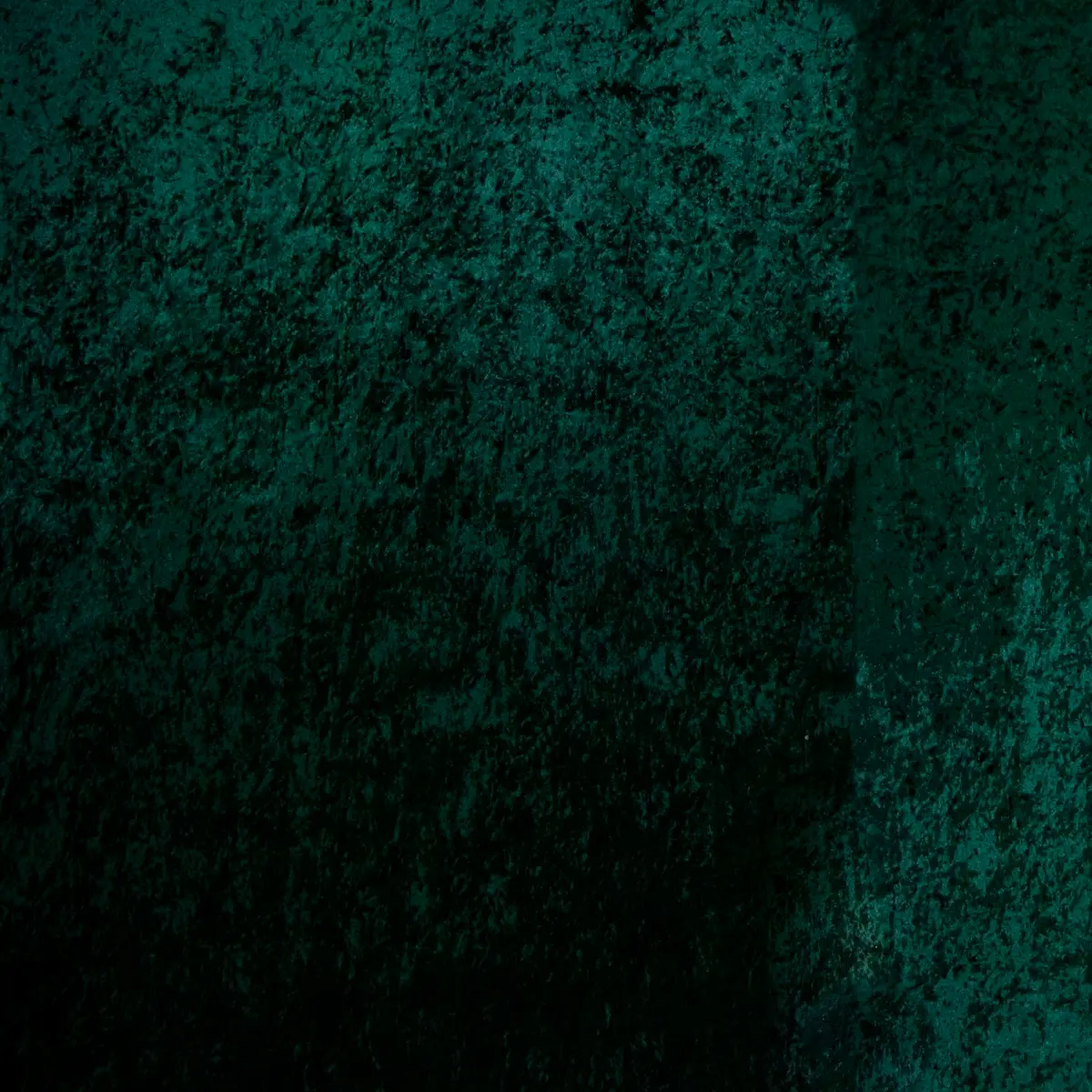
60
The Velvet
Crushed velvet, deep spruce
Material selection is not a finishing decision at Darkitecture. It is the design.
We work with high-performance, rugged, architecturally bold materials — surfaces that carry strength, precision and permanence. Every one is chosen for three things at once: how it reads, how it performs, and how it will age. Materials that develop a patina are selected deliberately. Materials that simply deteriorate are not used.
The palette is narrow on purpose. Restraint is what makes contrast legible.
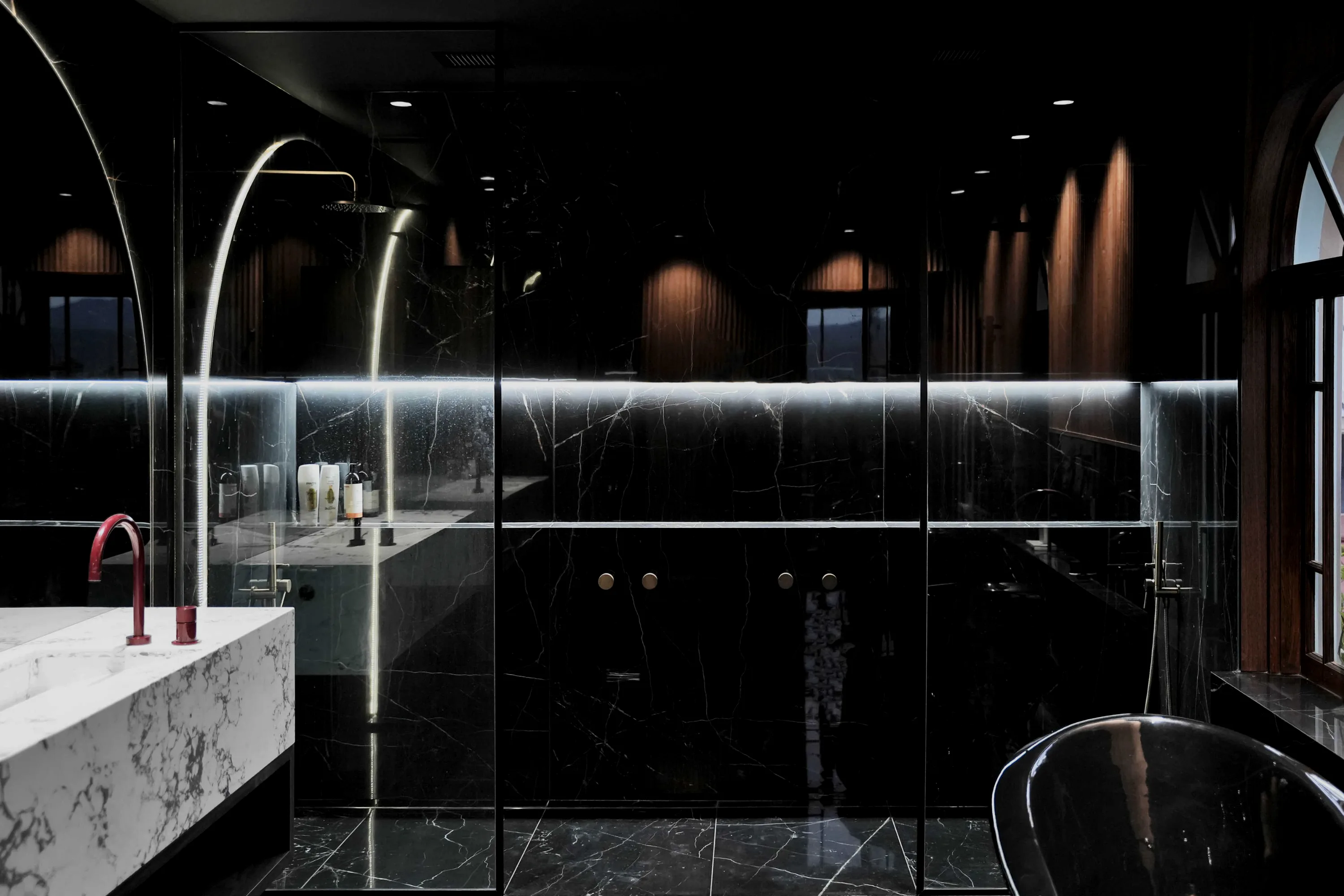
Raw power and presence
Stone & Concrete
- Black granite & basalt
- Monolithic and dramatic. These stones ground a space with weight and permanence — the closest a building material gets to geology.
- Charred & aged concrete
- Brutalist in form, refined in execution. Concrete gives a textural interplay of light and depth that no applied finish reproduces.
- Polished & honed finishes
- From reflective slab to matte honed surface, each variation changes how deep the room reads. The same stone, two different buildings.
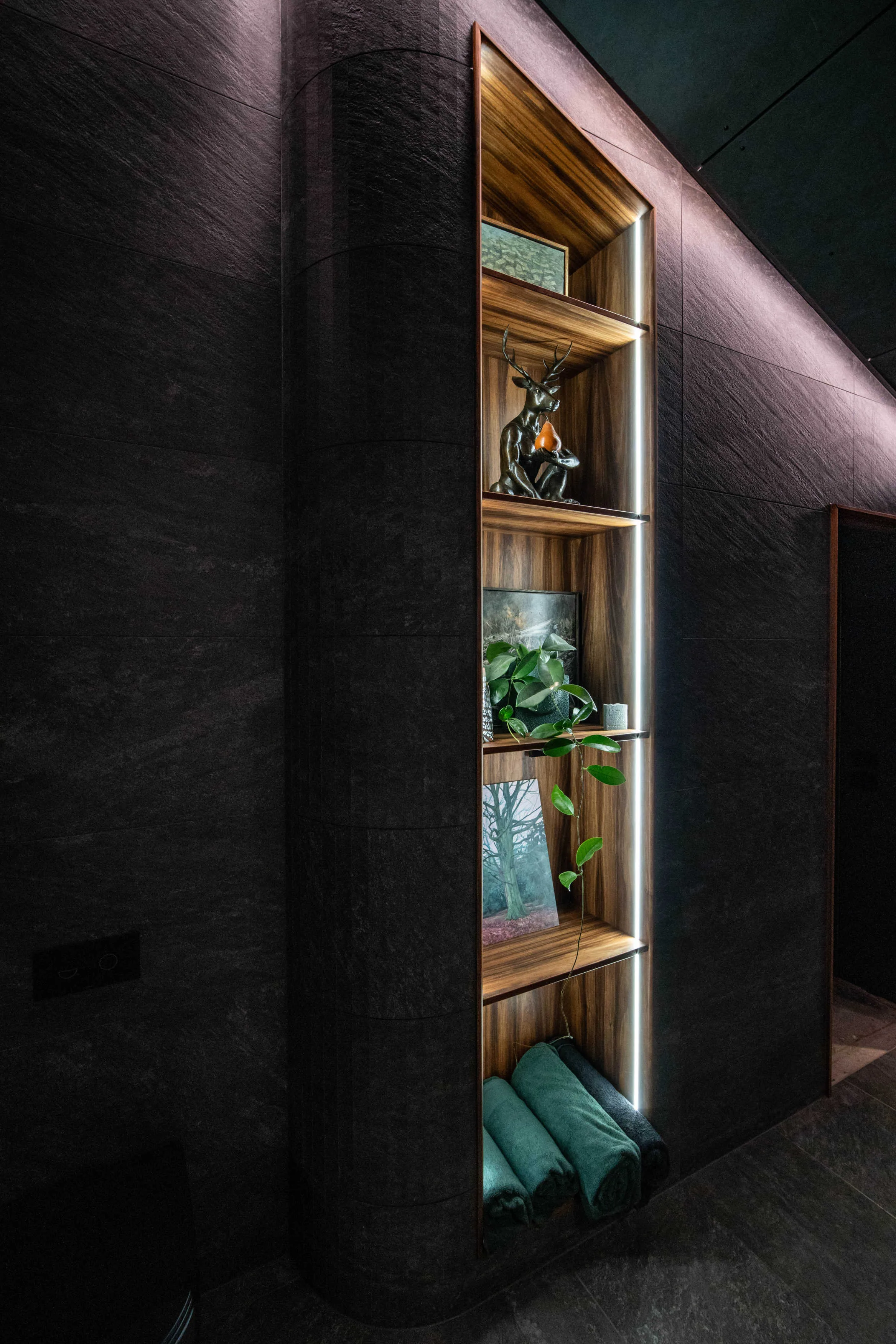
The warmth of darkness
Timber
- Shou sugi ban
- The Japanese technique of charring timber for durability. It brings fire-forged texture and depth — and it was a weathering method centuries before it was an aesthetic.
- Dark-stained oak & walnut
- Rich and tactile. Dark timber returns warmth to a severe palette without breaking it.
- Blackbutt & ironbark
- Australian hardwoods in dark finishes — the natural grain retained, the tone brought into the Darkitecture range.
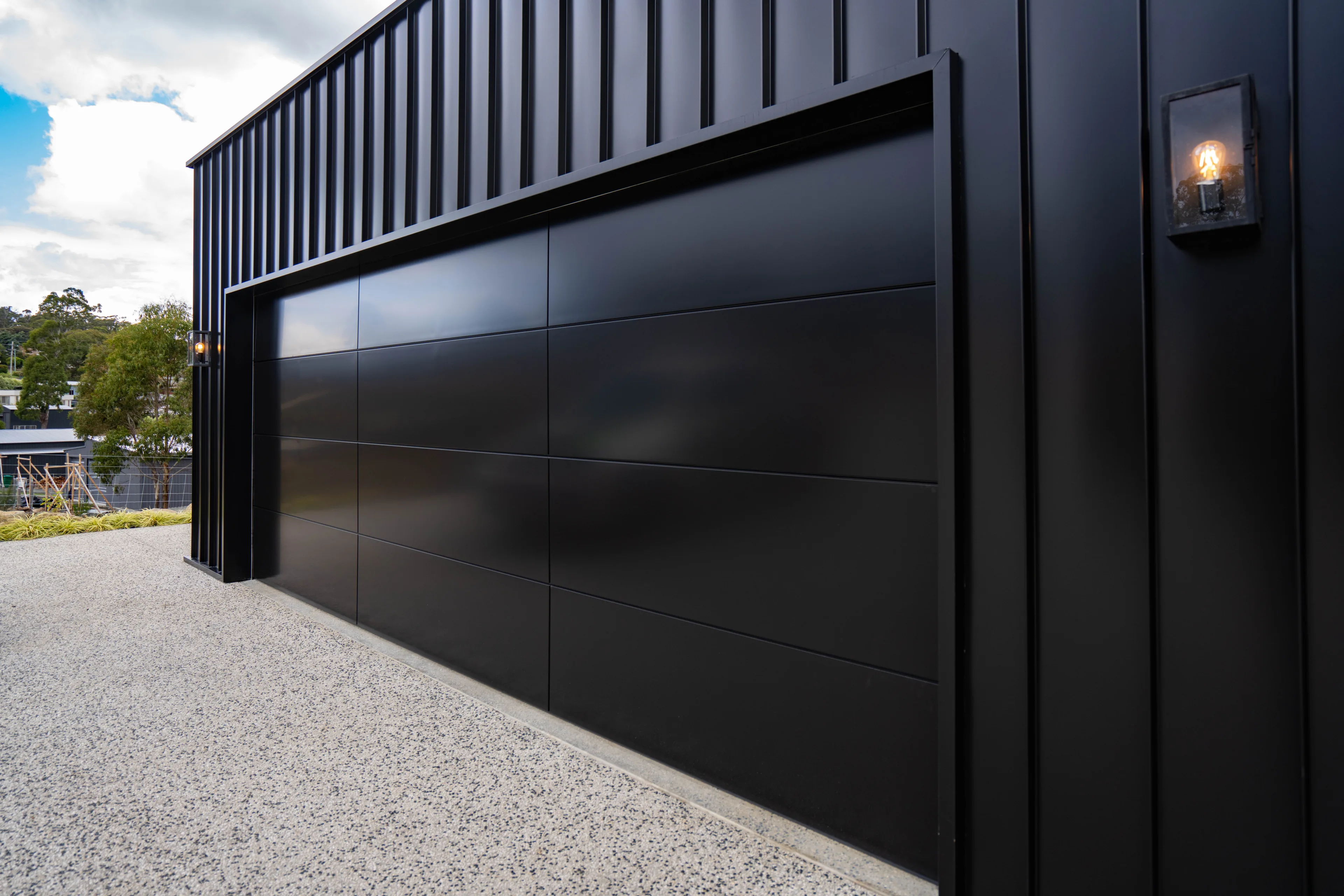
Industrial precision, reflective contrast
Metal
- Patinating metals
- Surfaces that develop character with time rather than degrading. Ageing is designed for, not defended against.
- Brushed & matte black
- In detailing, fixtures and accents. Black metal is what holds a scheme together — understated luxury doing quiet structural work.
- Perforated & textured panels
- Facades and features that shift as light and the viewer move. A wall that is never the same twice in one day.
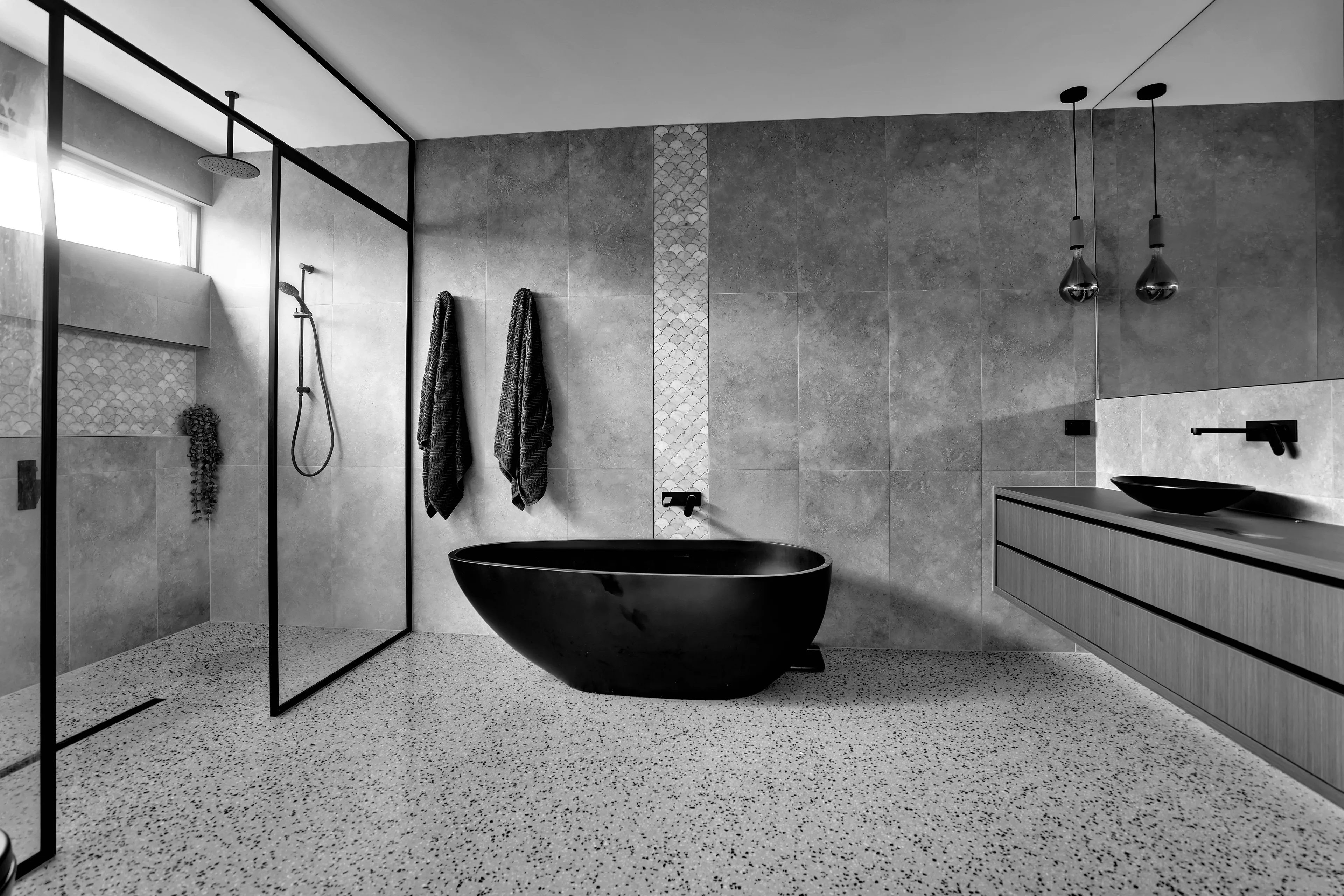
Transparency meets darkness
Glass
- Tinted & smoked glass
- A layered depth effect that manipulates daylight and gives privacy without closing a room down.
- Black-framed glazing
- Sharp, structured and precise. The frame decides what the view is — so the frame is drawn deliberately.
- Reeded & textured glass
- Softens and diffuses light for interiors that stay moody without going dim.
Where this happens
Materials are resolved at the Material.
Every surface in your home is selected, scheduled and documented during the Material — the fourth movement of the method — and then locked into the Blackprint. A resolved selection schedule is the cheapest insurance in the entire process.
The next step
Start here.
One short conversation about your site, your budget and what you want to build. No fee, no obligation, and a straight answer on whether we are the right practice for it.